Dracula
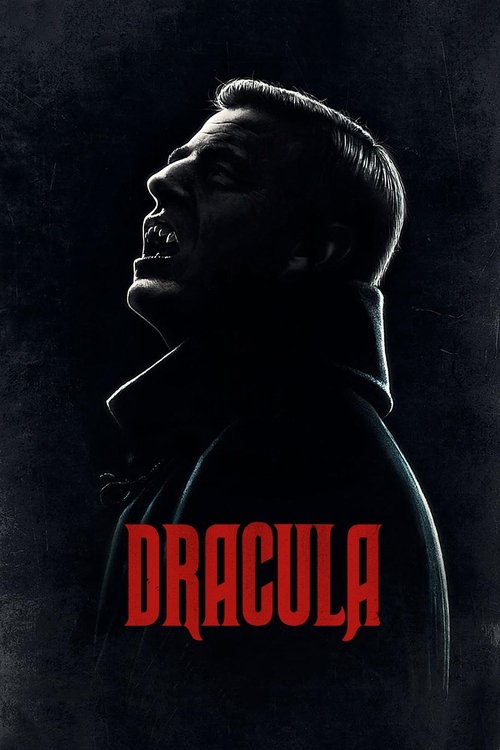
Transylvania, 1897. The blood-drinking Count Dracula is drawing his plans against Victorian London. And be warned: the dead travel fast.
Trailers & Videos 6
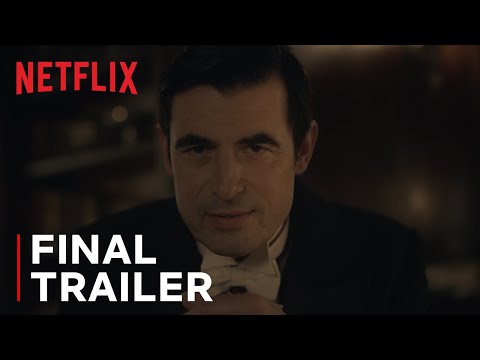
Dracula | Final Trailer | Netflix
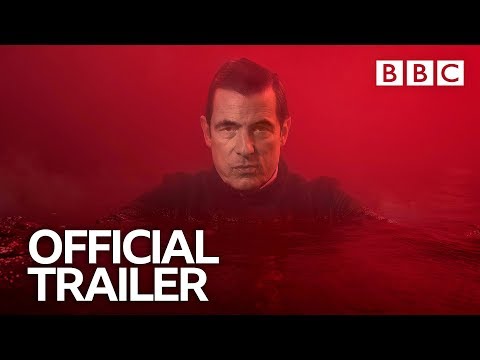
BBC Official Trailer
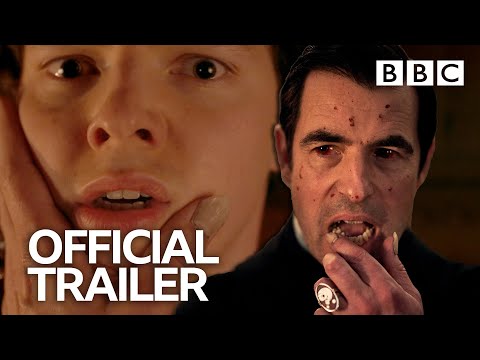
BBC Teaser Trailer
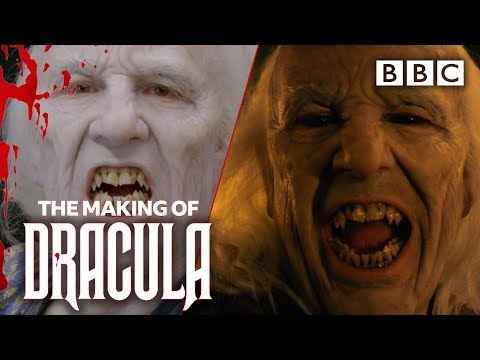
How we created Dracula's look!
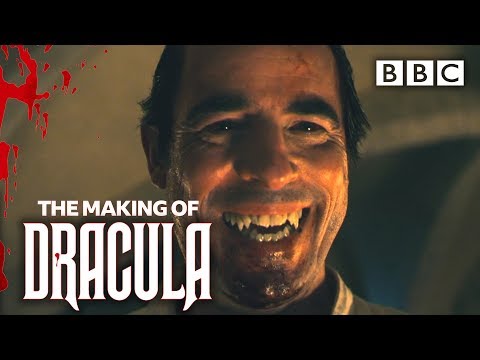
How we brought Dracula back from the dead!
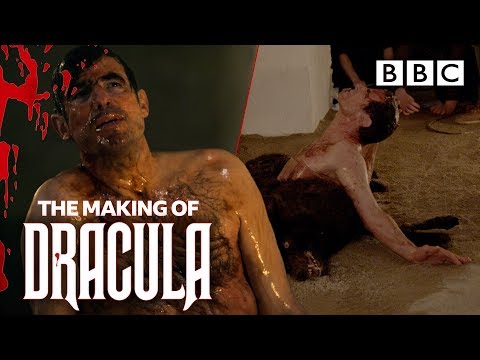
How we made THAT horrific wolf scene!
Episodes
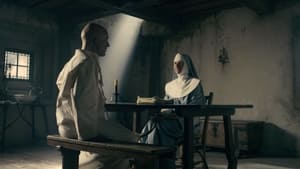
English lawyer Jonathan Harker travels to Transylvania to meet a new client —and a legend is about to get fresh blood.
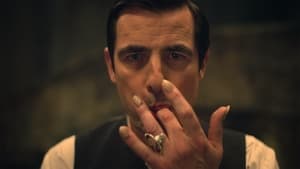
The crew and passengers aboard the Russian ship, The Demeter, are locked in a life-or-death struggle to stop Count Dracula before he reaches England.
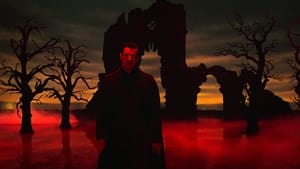
Count Dracula has made it to England —a new world pulsing with fresh blood— and lays his plans to spread his foul vampire contagion. But why does he s...
Cast




Ratings & Reviews
7/10
857 votes
No ratings yet
Not available
No community reviews yet. Be the first to share your thoughts!
TMDB Reviews
5 years ago
I take it there isn't going to be a series 2(?)
Bram Stoker would be spinning in his grave. Or coffin.
But at least I watched it all and got it over and done with!

Stephen Campbell
TMDB5 years ago
A sarcastic posthumanist Dracula won't be to everyone's taste, but I thoroughly enjoyed this unique take on the Count
His character was dreadfully vicious, for that the possession of irresistible powers of seduction, rendered his licentious habits more dangerous to society.
- John William Polidori; "The Vampyre; A Tale" (1819)
How blessed are some people, whose lives have no fears, no dreads; to whom sleep is a blessing that comes nightly, and brings nothing but sweet dreams.
- Bram Stoker; Dracula (1897)
Stoker reveals that Dracula is primarily a sexual threa__t, a missionary of desire whose only true kingdom will be the human body. Although he flaunts his independence of social restraints and proclaims himself a master over all he sees, Dracula adheres more closely to English law than his opponents in every area except his sexual behaviour. Neither a thief, rapist, nor an overtly political threat, Dracula is dangerous because he expresses his contempt for authority in the most individualistic of ways – through his sexuality. In fact, his thirst for blood and the manner in which he satisfies this thirst can be interpreted as sexual desire which fails to observe any of society's attempts to control it – prohibitions against polygamy, promiscuity, and homosexuality.
- Carol A. Senf; The Vampire in Nineteenth Century English Literature (1988)
Bram Stoker's 1897 novel Dracula is a straightforward adventure story. It's also a metaphorical examination of the Great Famine. And a critique of patriarchal hegemony. And a Christian allegory. And an examination of the ramifications for Transylvania of the Russo-Turkish War. And a study of the clash between modern science and ancient tradition. And a depiction of mental illness. And a love letter to Henry Irving. It's also none of these things.
Thematically protean, the novel has been read from the perspective of a range of critical theories, with the resultant interpretations of...