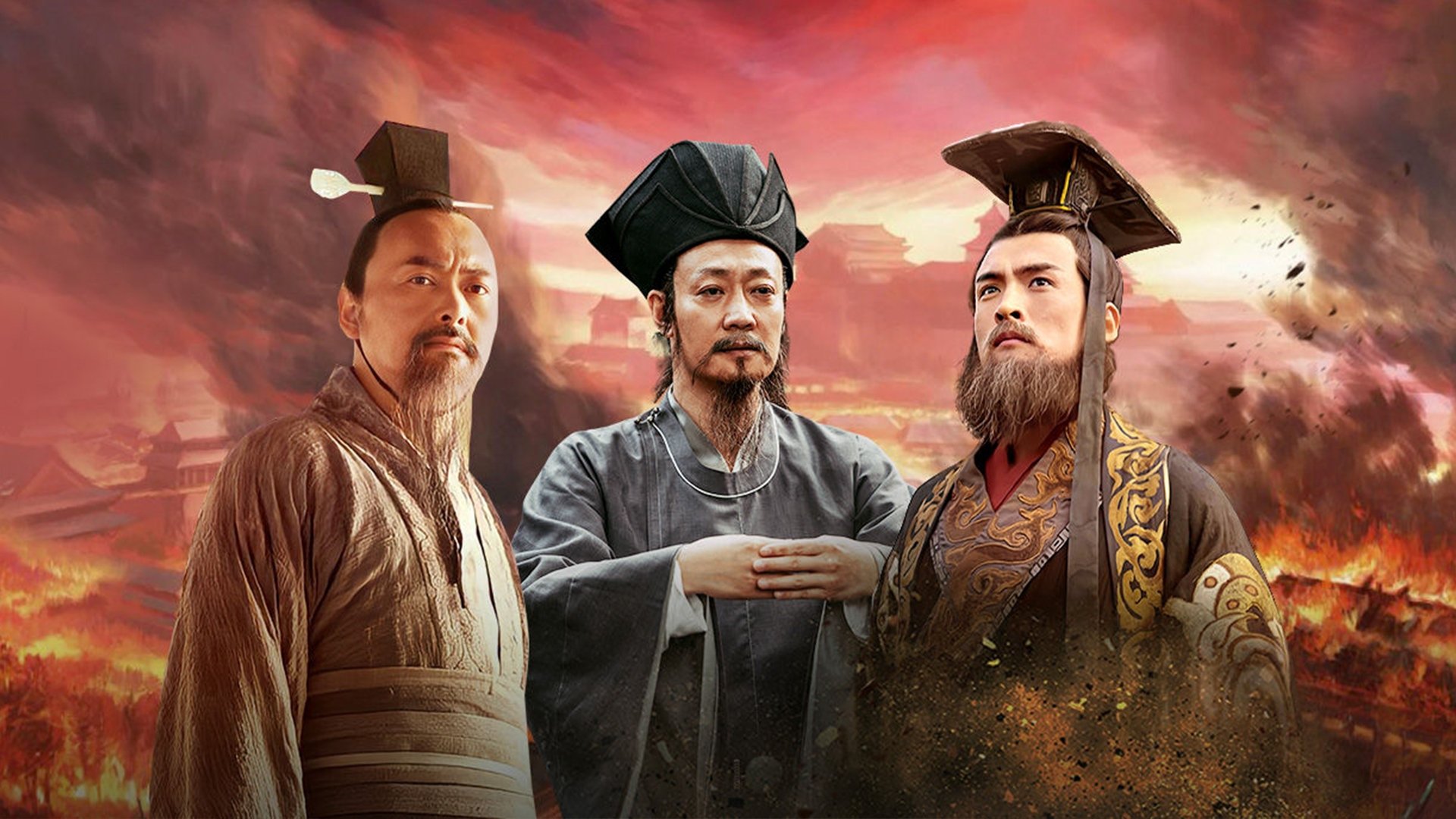
General History of China
Tracing Chinese civilization from its prehistoric origins to the fall of the Qing dynasty, this sweeping 100-part documentary explores the rulers, wars, philosophies, religions, cultural achievements and social transformations that shaped one of the world’s oldest continuous civilizations. Through archaeological evidence, historical records and expert commentary, the series presents a chronological account of China’s dynasties, peoples and institutions across thousands of years of history.
Episodes

An introduction to the long development of Chinese civilization, tracing the ideas, institutions, cultural traditions and historical forces that shape...
Archaeological discoveries reveal the prehistoric peoples who lived across ancient China and the gradual formation of communities, cultures and shared...
The episode explores the origins of farming in ancient China, including the domestication of millet and rice, the growth of settled communities and th...
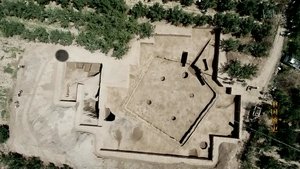
Early cities, ritual centers, crafts and systems of social organization illuminate the transition from Neolithic cultures to complex civilization in t...

Competing regional societies developed fortified settlements, political hierarchies and ritual authority, laying the foundations for the earliest stat...
Archaeology and ancient texts are examined in the search for the Xia, traditionally regarded as China’s first dynasty, with particular attention to th...
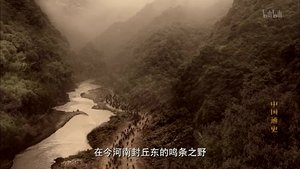
The Shang dynasty emerges as a powerful Bronze Age kingdom before internal weakness and military defeat bring its rule to an end at the hands of the Z...
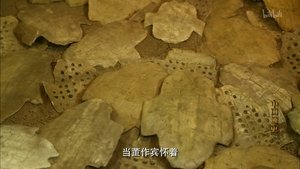
Oracle bones, bronze vessels, royal tombs and sacrificial practices reveal the political order, religious beliefs, warfare and artistic achievements o...
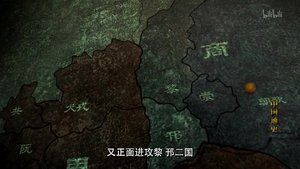
The Zhou campaign against the last Shang king culminates in the Battle of Muye, establishing a new dynasty and introducing the enduring political idea...
Serving as regent for the young King Cheng, the Duke of Zhou suppresses rebellion, consolidates Zhou rule and helps shape political and ritual institu...
The authority of the Zhou kings weakens as regional lords grow more powerful, leading to the fall of the Western Zhou and the fragmented political ord...
Powerful states and ambitious rulers compete for leadership while alliances, reforms and warfare transform the political landscape of the Spring and A...
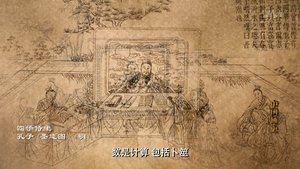
The life and teachings of Confucius are explored, from his search for ethical government to the development of ideas about ritual, virtue, education a...
Rival states adopt sweeping military, administrative and economic reforms as rulers seek stronger governments and armies during an age of intensifying...
The seven major powers struggle for survival and supremacy through diplomacy, strategy and mass warfare, setting the stage for Qin’s eventual conquest...

Philosophers including Confucians, Daoists, Mohists and Legalists offer competing answers to the disorder of their age, creating a rich intellectual l...
Through geography, military organization and the reforms of Shang Yang, Qin develops into the most centralized and formidable of the Warring States.
The king of Qin conquers the rival states, becomes China’s First Emperor and imposes far-reaching systems of administration, law, measurement, writing...
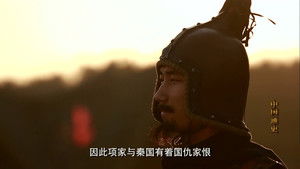
After the fall of Qin, Xiang Yu and Liu Bang battle for control of China in a dramatic civil war that ends with the founding of the Han dynasty.
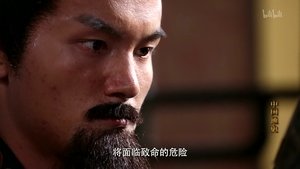
The early Han balances centrally administered commanderies with semi-autonomous kingdoms, creating tensions that test the new dynasty’s ability to mai...

Emperors Wen and Jing reduce taxes and state burdens, encourage recovery and strengthen the Han through cautious government, producing an era remember...
Emperor Wu expands Han power, confronts the Xiongnu, centralizes authority and promotes Confucian state ideology, while the costs of warfare place hea...
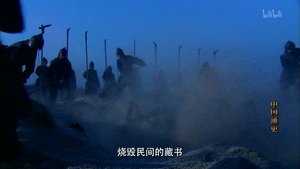
Confucian classics become central to education, scholarship and government as Han thinkers interpret ancient texts and establish traditions that influ...
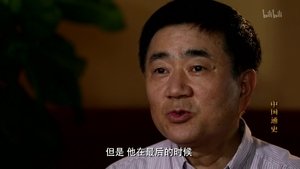
Following Emperor Wu’s expensive campaigns, the Han court pursues recovery, administrative reform and more restrained government under Emperors Zhao a...
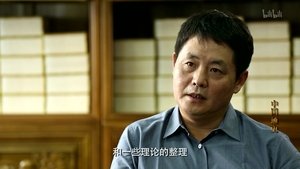
Wang Mang seizes the throne and launches ambitious reforms intended to restore ancient institutions, but resistance, economic disruption and rebellion...
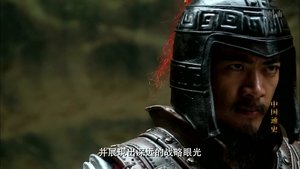
Liu Xiu reunifies the realm after years of rebellion, restores the Han dynasty as Emperor Guangwu and rebuilds imperial government from a new capital...

Diplomacy, conquest and long-distance trade connect Han China with Central Asia and lands farther west, carrying goods, technologies, religions and cu...

Scholar-officials criticize corruption and eunuch power at the Eastern Han court, provoking political purges that deepen factional conflict and weaken...
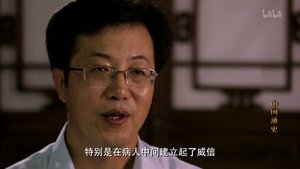
Religious movements, social distress and resentment of the Han government erupt into the Yellow Turban uprising, accelerating the breakdown of imperia...
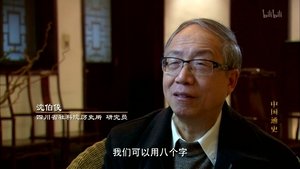
The collapse of the Han gives rise to the rival states of Wei, Shu and Wu, whose rulers and generals compete through warfare, diplomacy and shifting a...

As chief minister of Shu Han, Zhuge Liang seeks to stabilize the state, improve administration, develop the southwest and pursue campaigns against the...
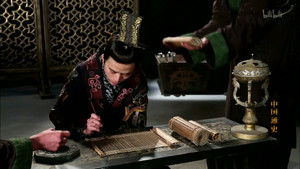
he Sima family replaces Wei, conquers Shu and Wu and briefly reunites China under the Western Jin before court conflict and rebellion undermine the dy...

Amid political turmoil, scholars and artists cultivate personal expression, philosophical debate and unconventional lifestyles that define the celebra...

Powerful hereditary families dominate politics and society during the era of division, shaping court government, official appointments and relations b...
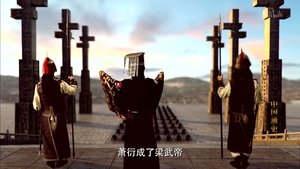
Emperor Wu presides over a long reign marked by cultural patronage, Buddhist devotion and administrative ambition, but court weakness and rebellion ul...
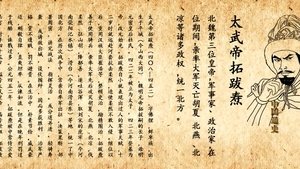
The Northern Wei emperor moves the capital to Luoyang and promotes sweeping cultural and political reforms intended to integrate his dynasty with the...
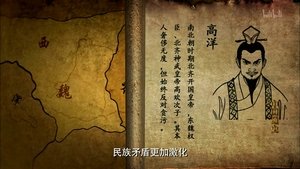
Emperor Wu strengthens the Northern Zhou, curbs rival institutions and conquers Northern Qi, bringing northern China closer to reunification before hi...

The final southern dynasty struggles to preserve stability and independence until internal weakness and the military power of Sui bring the Chen dynas...
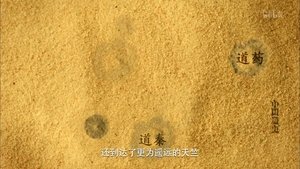
Buddhism spreads and adapts across a divided China, influencing philosophy, art, ritual and monastic life while becoming deeply rooted in Chinese soci...
After centuries of division, Yang Jian founds the Sui dynasty, defeats rival regimes and reunifies China through centralized institutions and large-sc...

Emperor Yang expands canals, capitals and imperial projects, but costly wars, forced labor and rebellion turn spectacular ambition into the rapid coll...
Emperor Taizong and his ministers establish a respected model of Tang government based on political consultation, military success, legal order and re...
Wu Zetian rises from imperial consort to become China’s only female emperor, using political skill, administrative reform and patronage to secure her...
Under Emperor Xuanzong, the Tang reaches a height of wealth, cultural achievement and international influence before complacency and court tensions th...

A frontier commander’s revolt plunges the Tang into years of war, causing immense destruction and permanently weakening central authority.
Regional military governors, eunuch influence, fiscal strain and court factionalism erode Tang power as the dynasty struggles to govern an increasingl...
The Tang capital is presented as a vast, cosmopolitan city where officials, merchants, diplomats, monks and travelers from across Asia meet.
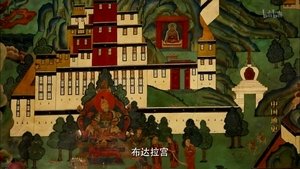
The Tibetan Empire expands across the plateau and Central Asia, alternately fighting and negotiating with Tang China before internal conflict brings i...
The oasis city of Dunhuang preserves the artistic and religious legacy of the Silk Road through its caves, manuscripts, murals and centuries of cultur...
Envoys, merchants, monks and armies connect the Tang with neighboring states and distant regions, making the dynasty a central power in a broad Asian...
Buddhism, Daoism and foreign faiths flourish in Tang China, shaping art and society while also becoming entangled in debates over wealth, authority an...
Following the Tang collapse, short-lived northern dynasties and competing southern kingdoms divide China until new political and military forces prepa...
Zhao Kuangyin founds the Song dynasty, reunifies much of China and limits military power through institutions designed to place civil government above...
After years of conflict, Song and Liao negotiate a landmark peace that stabilizes their frontier and creates a lasting diplomatic relationship between...
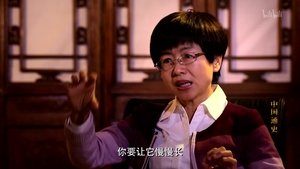
The Song expands examinations, schools and civil administration, creating a government in which educated scholar-officials exercise unprecedented infl...
Wang Anshi introduces controversial policies to strengthen state finances, defense and rural society, dividing the Song court between reformers and th...
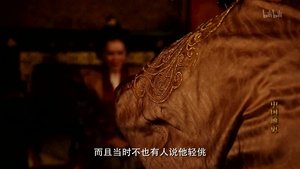
Jurchen armies capture the Northern Song capital and its emperors, ending the dynasty’s rule in the north and forcing the court to rebuild in the sout...
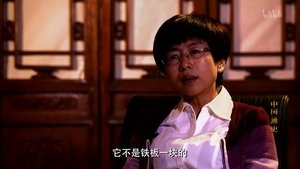
The Southern Song and Jin alternate between fierce warfare and negotiated peace as each seeks security, legitimacy and control of the contested fronti...

Driven from northern China, the Song establishes a new center in the prosperous southeast, where commerce, maritime activity and urban culture support...
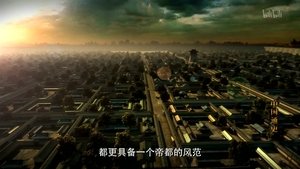
The bustling life of Northern Song Kaifeng is reconstructed through markets, festivals, entertainment and urban scenes immortalized in art and literat...
Song thinkers reinterpret Confucian tradition through new discussions of morality, human nature and the cosmos, culminating in a philosophy that resha...
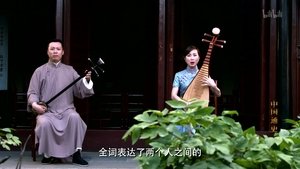
Printing, scholarship, painting, literature, science and urban life illustrate the extraordinary cultural creativity of the Song era.
The Khitan peoples unite under Abaoji, found the Liao dynasty and build an empire that combines steppe traditions with institutions suited to ruling a...
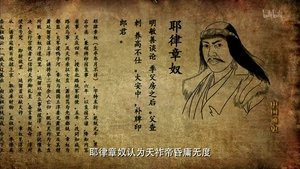
After the fall of the Liao in the east, Yelü Dashi leads Khitan followers westward and establishes a powerful new state in Central Asia.
The Jurchen leader Wanyan Aguda unites his people, rebels against Liao domination and founds the Jin dynasty, transforming the balance of power in nor...
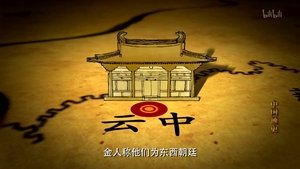
The Jin conquers the Liao and Northern Song, rules a vast multiethnic realm and then faces internal strain and the devastating advance of the Mongols.
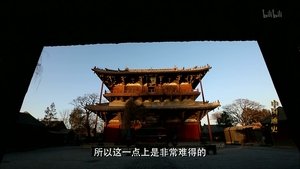
The cultural achievements of the Khitan Liao and Jurchen Jin reveal societies that blended their own traditions with the institutions, religions and a...
The Tangut state builds a distinctive empire along the northwestern frontier, develops its own script and culture, and survives between powerful neigh...
Temüjin unites the Mongol tribes as Genghis Khan and creates a military empire whose campaigns transform Eurasia and threaten every state in northern...
Kublai Khan completes the conquest of the Southern Song, establishes the Yuan dynasty and governs China as ruler of a vast, multiethnic Mongol empire.

The Yuan court moves seasonally between Dadu and Shangdu, reflecting the dynasty’s effort to balance steppe traditions with the administration of Chin...
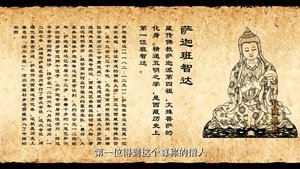
The Tibetan lama Phagpa becomes an influential adviser to Kublai Khan, shaping Yuan religious policy and creating a new script intended for the empire...
Ports, ships and merchant communities link Yuan China to Southeast Asia, India and the wider Indian Ocean through a flourishing network of maritime tr...

The celebrated traveler’s account provides a window into Yuan China while raising enduring questions about observation, memory and the transmission of...
The last Yuan emperor confronts factional conflict, natural disasters, fiscal crisis and widespread rebellion as Mongol rule in China collapses.
From impoverished beginnings and rebellion against the Yuan, Zhu Yuanzhang rises to found the Ming dynasty and creates an intensely centralized imperi...
The Yongle Emperor transfers the Ming capital to Beijing, constructs the Forbidden City and reshapes the political and strategic center of the empire.
The Ming court dispatches Zheng He’s enormous fleets across Southeast Asia and the Indian Ocean, projecting imperial prestige through diplomacy, trade...
The Ming grand secretariat evolves into a powerful coordinating institution, helping emperors manage the bureaucracy despite the dynasty’s formal reje...

A disastrous campaign against the Oirats ends with the capture of the Ming emperor, creating a succession crisis and exposing serious weaknesses in co...
The philosopher Wang Yangming teaches that moral knowledge is rooted within the mind and must be united with action, challenging established interpret...
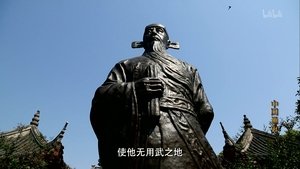
The grand secretary Zhang Juzheng strengthens finances, administration and imperial authority through ambitious reforms, but his program faces reversa...

Jesuit missionaries enter late Ming China and build relationships through astronomy, mathematics, cartography and scholarship, opening a complex new e...

Commercial towns, specialized crafts and regional markets transform the prosperous Jiangnan region into one of the most dynamic centers of the late im...

The influx and circulation of silver reshape taxation, trade and everyday life in Ming China, tying the empire more closely to emerging global economi...

The final Ming emperor struggles against rebellion, fiscal collapse, factional conflict and external threats as the dynasty moves toward catastrophe.
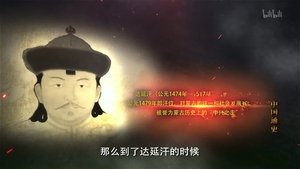
The Manchus cross the Great Wall, seize Beijing and begin the difficult process of conquering and governing China under the new Qing dynasty.
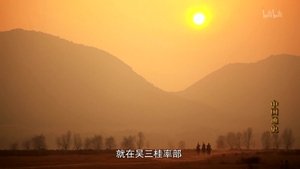
Early Qing rulers suppress resistance, rebuild administration and adapt imperial institutions in order to secure their authority over a vast and diver...
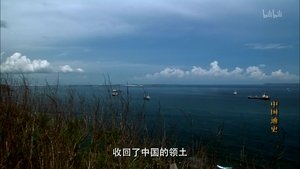
The Qing defeats the Zheng regime in Taiwan and incorporates the island into the empire, reshaping maritime defense and cross-strait administration.
Through warfare, diplomacy and frontier administration, the Qing expands and consolidates a multiethnic empire across Inner Asia and the Chinese heart...
Created to handle urgent military affairs, the Grand Council develops into the Qing emperor’s most efficient instrument for confidential decision-maki...
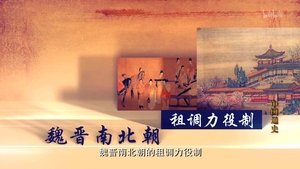
A major Qing fiscal reform merges head taxes with land taxes, simplifying collection and altering the relationship between population, property and st...
The Qing sponsors scholarship and cultural projects while also prosecuting writings considered politically dangerous, revealing the close connection b...
After military defeats, Qing officials adopt Western weapons, industry and technical knowledge while attempting to preserve the dynasty’s traditional...

Commercial conflict, opium smuggling and diplomatic confrontation lead to war with Britain, exposing Qing military weakness and beginning a new era of...

A vast religious rebellion establishes the Taiping Heavenly Kingdom and wages a devastating civil war that transforms Qing politics, society and regio...
Conflict over Korea ends in a decisive Japanese victory, revealing the limits of Qing reform and triggering a profound crisis over China’s future.
Intellectuals, officials and activists pursue constitutional reform, modernization and revolution as the Qing struggles to respond to domestic crisis...
Revolution spreads across China, forcing the abdication of the last Qing emperor in 1912 and bringing more than two thousand years of imperial governm...
Cast

Ratings & Reviews
9.8/10
5 votes
No ratings yet
Not available
No community reviews yet. Be the first to share your thoughts!
No TMDB reviews available for this title.
No reviews yet. Be the first to share your thoughts!