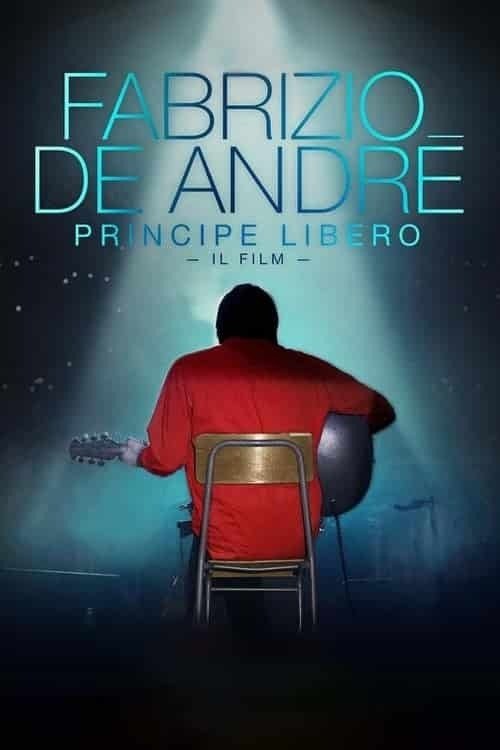
Fabrizio De André: Free Prince
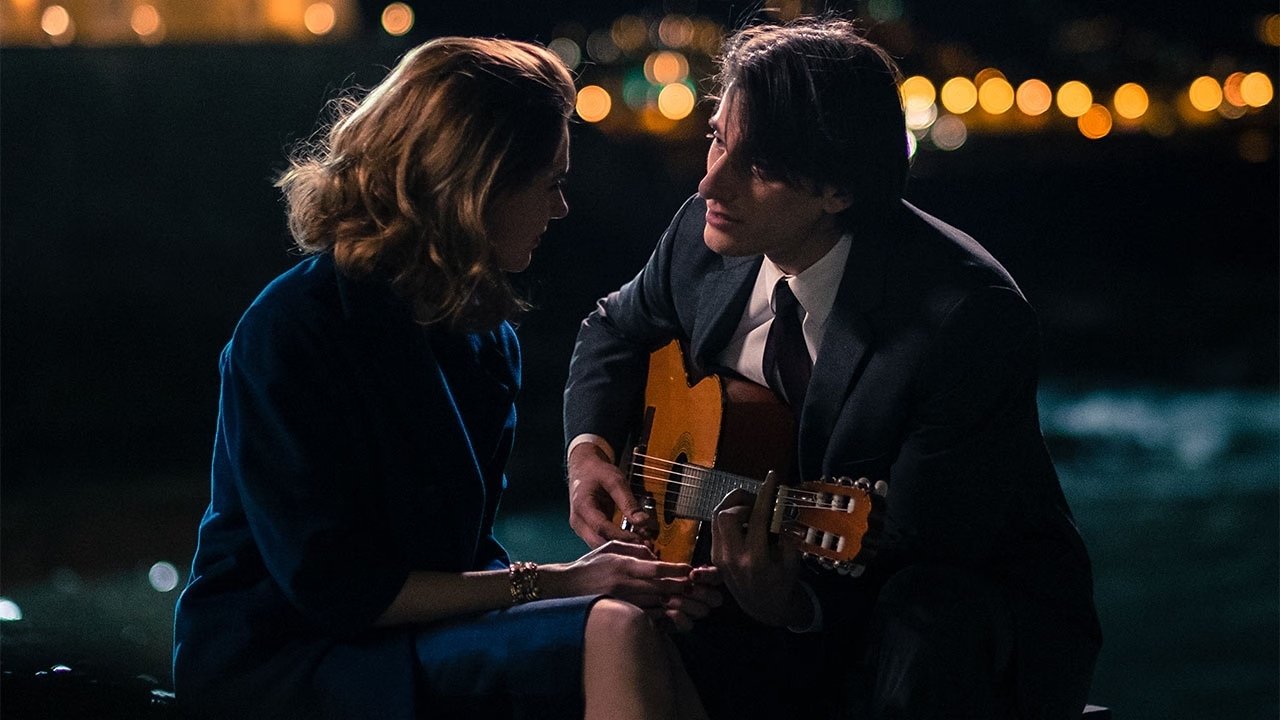
Fabrizio De André: Principe libero is a poignant and atmospheric Italian biopic that delves into the formative years and artistic awakening of one of Italy's most revered and enigmatic singer-songwriters, Fabrizio De André. Rather than attempting a cradle-to-grave biography, the film focuses on the crucial period that forged his unique voice and worldview.
Episodes
Cast

Luca Marinelli
Fabrizio De André
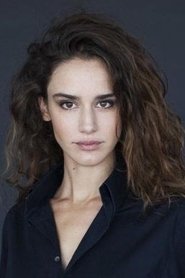
Valentina Bellè
Dori Ghezzi

Ennio Fantastichini
Giuseppe De André
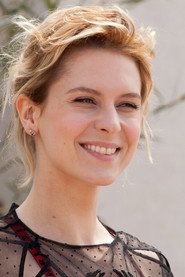
Elena Radonicich
Enrica "Puny" Rignon
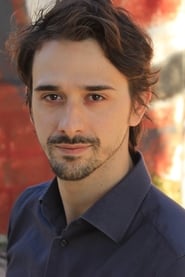
Davide Iacopini
Mauro De André
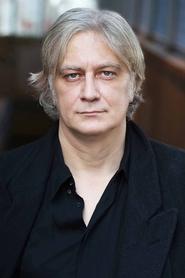
Tommaso Ragno
Riccardo Mannerini

Gianluca Gobbi
Paolo Villaggio

Matteo Martari
Luigi Tenco
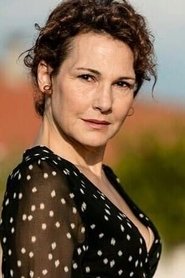
Anna Ferruzzo
Vittoria Ghezzi
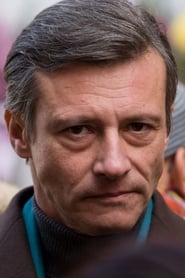
Lorenzo Gioielli
Carlo Ghezzi
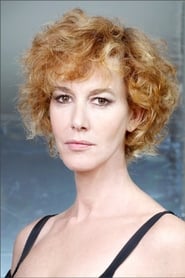
Orsetta De Rossi
madre di Puny
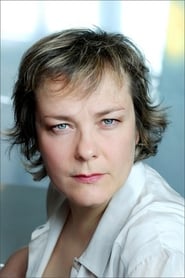
Orietta Notari
Fernanda Pivano
Ratings & Reviews
7.7/10
8 votes
No ratings yet
Not available
No community reviews yet. Be the first to share your thoughts!
TMDB Reviews

misubisu
TMDB9 months ago
Review: Fabrizio De André: Free Prince (2018)
Score: 8.5/10
A poetic and poignant tribute to Italy's legendary cantautore, Fabrizio De André: Free Prince is not a conventional biopic. Instead of chronicling his entire life, it focuses on two transformative periods that defined his soul and art: his rebellious youth in Genoa and the traumatic kidnapping that tested his ideals in Sardinia. The result is a beautifully acted, deeply reflective series that gets closer to the spirit of the man than any timeline ever could.
What Works Brilliantly:
- Dual-Timeline Structure: The parallel editing between young Fabrizio (a magnetic Luca Marinelli) discovering his voice among Genoa’s outcasts and the mature Fabrizio (Alessandro Gassmann) held captive in rural Sardinia is masterful. It creates a powerful dialogue between the formation of his humanist philosophy and its ultimate trial by fire.
- Luca Marinelli’s Performance: Marinelli doesn’t just imitate De André—he embodies the restless, observant, and gently rebellious spirit of the young artist. His performance is full of subtle intensity and captures the birth of a poetic conscience.
- The "Kidnap" Chapters: The Sardinia sequences are the series' dramatic heart. Gassmann portrays a profound, weary dignity as De André engages in startlingly humane dialogues with his captors. It’s here that the film explores its core theme: can one remain a "free prince" — true to one's ideals of empathy and anarchic liberty — even when physically imprisoned? The answer is moving and complex.
- Atmosphere & Respect: Director Valeria Golino avoids sensationalism. The tone is lyrical, almost novelistic, privileging mood and moral introspection over dramatic beats. The reverence for De André’s legacy is evident, not through hero worship, but through a sincere exploration of his contradictions and convictions.
What Holds It Back from Perfection (Why Not a 9 or 10):
- **Pacing...