Known For
Writing
Born
Sep 10, 1903
Died
Sep 29, 1992
Place of Birth
Pierrelatte, Drôme, France
Credits
77 titles
Jean Aurenche
Biography
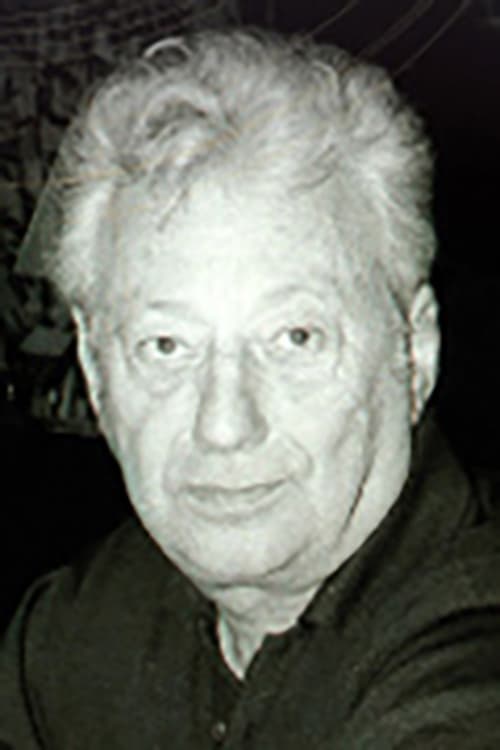
Jean Aurenche (1903–1992) was a French screenwriter. During his career, he wrote 80 films for directors such as René Clément, Bertrand Tavernier, Marcel Carné, Jean Delannoy and Claude Autant-Lara. He is often associated with the screenwriter Pierre Bost, with whom he had a fertile partnership from 1940 to 1975. In the 1920s and 1930s, Jean Aurenche was friends with some members of the surrealist groups. His sister Marie-Berthe was the wife of Max Ernst and Max Ernst soon became friend with Jean Aurenche. Later, he even appeared in some film commercials directed by Jean Aurenche (for the "Nicolas" Wine, the "Barbes" stores and so on...). Jean Aurenche was also a close friend of Jean Cocteau who helped him publish several of his short stories in the famous "NRF". In 1933, Jean Aurenche co-directed two short documentaries with Pierre Charbonnier: Pirates du Rhône and Bracos de Sologne. He later co-wrote the short film Monsieur Cordon with director Pierre Prévert. He soon turned to screenwriting, writing or co-writing several films like L'affaire du Courrier de Lyon (1936) by Maurice Lehmann and Claude Autant-Lara, L'affaire Lafarge or, more famously, Hôtel du Nord that he co-wrote with Marcel Carné and Henri Jeanson. In 1942, starting with Douce (directed by Autant-Lara), Aurenche formed a longstanding partnership with Pierre Bost. Their method of writing together initially worked as such: Jean Aurenche wrote the treatment of the screenplay (sometimes based on a novel) and Pierre Bost then expanded this outline and wrote the dialogue. But soon, both of them wrote all the script together without any clear division of the writing. Together, Aurenche & Bost wrote several great successes of this time period, often associated with director Claude Autant-Lara : le Diable au corps (1945), l'Auberge rouge (1951), le Rouge et le Noir (1954), la Traversée de Paris (1956). Meanwhile, Aurenche & Bost started a fertile collaboration with Jean Delannoy, writing for him La Symphonie Pastorale (1947) which won the Palme d'Or at the Cannes Festival of 1947. During this time, they also worked with René Clément (Au-delà des grilles, Jeux interdits and Gervaise). The film Jeux Interdits won the Academy Award on the Best Foreign Film in 1952 and soon became a classic. All these critic and commercial triumph contributed to make of Aurenche one of the most revered screenwriters of his time. ... Source: Article "Jean Aurenche" from Wikipedia in English, licensed under CC-BY-SA 3.0.
Known For

Filmography
Jean Aurenche, écrivain de cinéma
Self (archive footage)
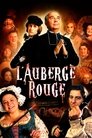
The Red Inn
Story
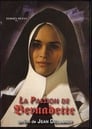
The Passion of Bernadette
Writer
Engagements of the Heart
Writer
Fucking Fernand
Scenario Writer
Philippe Soupault et le surréalisme
Lui-même
The North Star
Writer

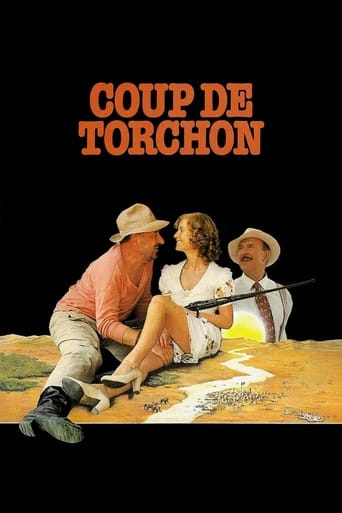
Coup de Torchon
Writer
Lady of the Camelias
Writer
The Judge and the Assassin
Writer
Let Joy Reign Supreme
Screenplay
The Watchmaker of St. Paul
Writer
Molière pour rire et pour pleurer
Script
Potatoes
Writer
Franciscan of Bourges
Writer
The Oldest Profession
Writer
A Woman in White Revolts
Scenario Writer
A Woman in White
Adaptation
Black Humor
Writer
This Special Friendship
Writer
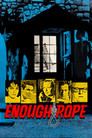
Enough Rope
Screenplay
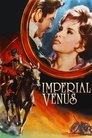
Imperial Venus
Writer
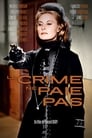
Crime Does Not Pay
Scenario Writer
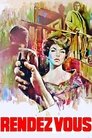
Rendezvous
Writer

Thou Shalt Not Kill
Writer
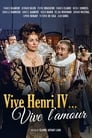
Long Live Henry IV... Long Live Love!
Writer
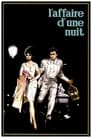
It Happened All Night
Screenplay
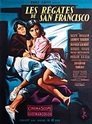
The Regattas of San Francisco
Dialogue
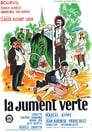
The Green Mare
Writer

Way of Youth
Writer

A Woman Like Satan
Writer
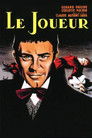
The Gambler
Writer
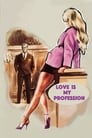
Love Is My Profession
Screenplay
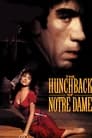
The Hunchback of Notre Dame
Screenplay
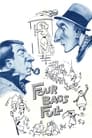
La Traversée de Paris
Writer
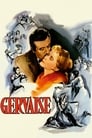
Gervaise
Writer
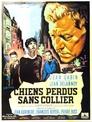
The Little Rebels
Adaptation
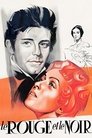
Le Rouge et le Noir
Writer
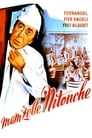
Mademoiselle Nitouche
Writer
Daughters of Destiny
Writer
The Game of Love
Adaptation
The Proud and the Beautiful
Scenario Writer
Forbidden Games
Dialogue
The Seven Deadly Sins
Screenplay
Gigolo
Writer
The Red Inn
Screenplay
God Needs Men
Screenplay
Keep an Eye on Amelia
Screenplay
The Walls of Malapaga
Screenplay
The Lovers of the Pont Saint-Jean
Screenplay