
Known For
Writing
Born
Aug 10, 1912
Died
Aug 06, 2001
Place of Birth
Itabuna, Bahia, Brazil
Credits
60 titles
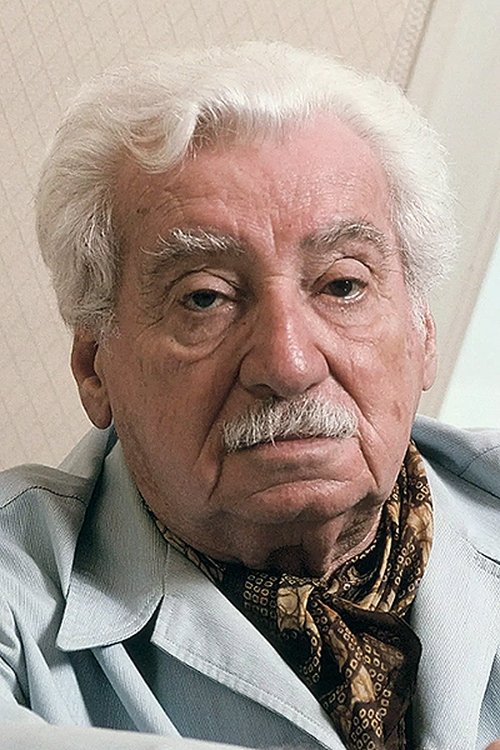
Jorge Amado
Biography
Jorge Leal Amado de Faria (10 August 1912 – 6 August 2001) was a Brazilian writer of the modernist school. He remains the best known of modern Brazilian writers, with his work having been translated into some 49 languages and popularized in film, notably Dona Flor and Her Two Husbands in 1976. His work reflects the image of a Mestiço Brazil and is marked by religious syncretism. He depicted a cheerful and optimistic country that was beset, at the same time, with deep social and economic differences. He occupied the 23rd chair of the Brazilian Academy of Letters from 1961 until his death in 2001. He won the 1984 International Nonino Prize in Italy. He also was Federal Deputy for São Paulo as a member of the Brazilian Communist Party between 1947 and 1951. Amado was born on Saturday, 10 August 1912, on a farm near the inland city of Itabuna, in the south of the Brazilian state of Bahia. He was the eldest of four sons of João Amado de Faria and D. Eulália Leal. The farm was located in the village of Ferradas, which, though today is a district of Itabuna, was at the time administered by the coastal city of Ilhéus. For this reason he considered himself a citizen of Ilhéus. From his exposure to the large cocoa plantations of the area, Amado knew the misery and the struggles of the people working the land and living in almost enslaved conditions. This was to be a theme present in several of his works (for example, The Violent Land of 1944). As a result of a smallpox epidemic, his family moved to Ilhéus when he was one year old, and he spent his childhood there. He attended high school in Salvador, the capital of the state. By the age of 14 Amado had begun to collaborate with several magazines and took part in literary life, as one of the founders of the Modernist "Rebels' Academy". He was the cousin of Brazilian lawyer, writer, journalist and politician Gilberto Amado, and of Brazilian actress and screenwriter Véra Clouzot. Amado published his first novel, The Country of Carnival, in 1931, at age 18. He married Matilde Garcia Rosa and had a daughter, Lila, in 1933. The same year he published his second novel, Cacau, which increased his popularity. He studied law at the Federal University of Rio de Janeiro Faculty of Law but never became a practising lawyer. His leftist activities made his life difficult under the dictatorial regime of Getúlio Vargas. In 1935 he was arrested for the first time, and two years later his books were publicly burned. His works were banned from Portugal, but in the rest of Europe he gained great popularity with the publication of Jubiabá in France. The book received enthusiastic reviews, including that of Nobel prize Award winner Albert Camus. In the early 1940s, Amado edited a literary supplement for the Nazi-funded political newspaper "Meio-Dia". Being a communist militant, from 1941 to 1942 Amado was compelled to go into exile to Argentina and Uruguay. When he returned to Brazil he separated from Matilde Garcia Rosa. In 1945 he was elected to the National Constituent Assembly, as a representative of the Brazilian Communist Party (PCB) (he received more votes than any other candidate in the state of São Paulo). He signed a law granting freedom of religious faith. ... Source: Article "Jorge Amado" from Wikipedia in English, licensed under CC-BY-SA 3.0.
Known For



Filmography
3 Obás de Xangô
Self (archive footage)
Nas Ondas de Dorival Caymmi
Self (archive footage)

Tieta do Agreste
Original Story
Nelson Pereira dos Santos – A Life of Cinema
Self (archive footage)
Quando a Coisa Vira Outra
Self (archive footage)

Doña Flor y sus dos maridos
Creator

Dê Lembranças a Todos
Self

Dona Flor e Seus Dois Maridos
Novel

Luz, Câmera, 50 Anos: Dona Flor e Seus 2 Maridos - O Filme
Novel
The Duel: A Story Where Truth Is Mere Detail
Novel
The Miracle of the Birds
Original Story

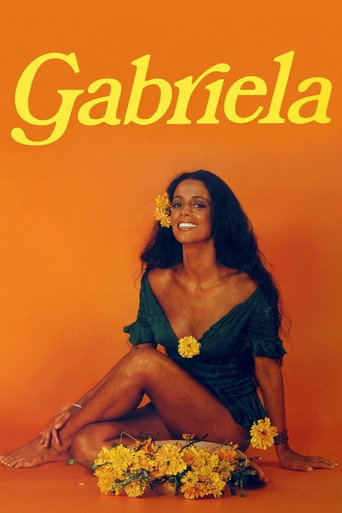
Gabriela
Novel
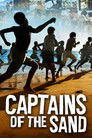
Captains of the Sands
Novel

The Two Deaths of Quincas Wateryell
Novel
Glauber Rocha - The Movie, Brazil's Labyrinth
Self (archive footage)
Pastores da Noite
Story

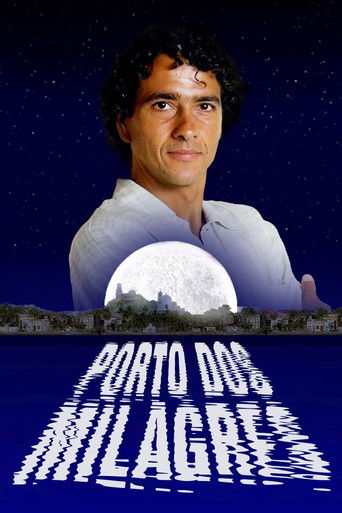
Port of Miracles
Novel

Brava Gente
Novel
Fallen Angels Paradise
Novel
Coralito y sus dos maridos
Story
Pierre Fatumbi Verger: Messenger Between Two Worlds
Self

Dona Flor e Seus 2 Maridos
Writer

Tieta of Agreste
Ele Mesmo
Jorge Amado
Self
O Capeta Carybé
Novel
Gilberto Gil: Tempo Rei
Self
Большая засада
Original Story
Aimé Césaire: A Voice for History
Self
Aimé Césaire: A Voice for History
Self
O Compadre de Ogum
Novel

Zona+
Próprio
Josué de Castro, Cidadão do Mundo
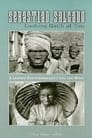
Looking Back at You
Self

Tereza Batista
Novel
Capitães da Areia
Novel

Tieta
Novel
Jorge Amado
Ele mesmo

Jubiabá
Novel

Tenda dos Milagres
Novel

Gabriela
Novel

Kiss Me Goodbye
Novel
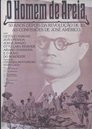
O Homem de Areia
Ele mesmo

Terras do Sem Fim
Original Story
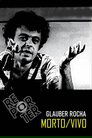
Glauber Rocha: Morto/Vivo
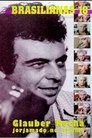
Jorge Amado no Cinema
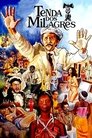
Tent of Miracles
Novel
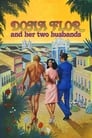
Dona Flor and Her Two Husbands
Novel

Bahia
Writer

Gabriela
Novel
Apostrophes
Self