Known For
Directing
Born
Jan 13, 1899
Died
Mar 29, 1970
Place of Birth
Tambov, Russian Empire [now Russia]
Credits
34 titles
Lev Kuleshov
Biography
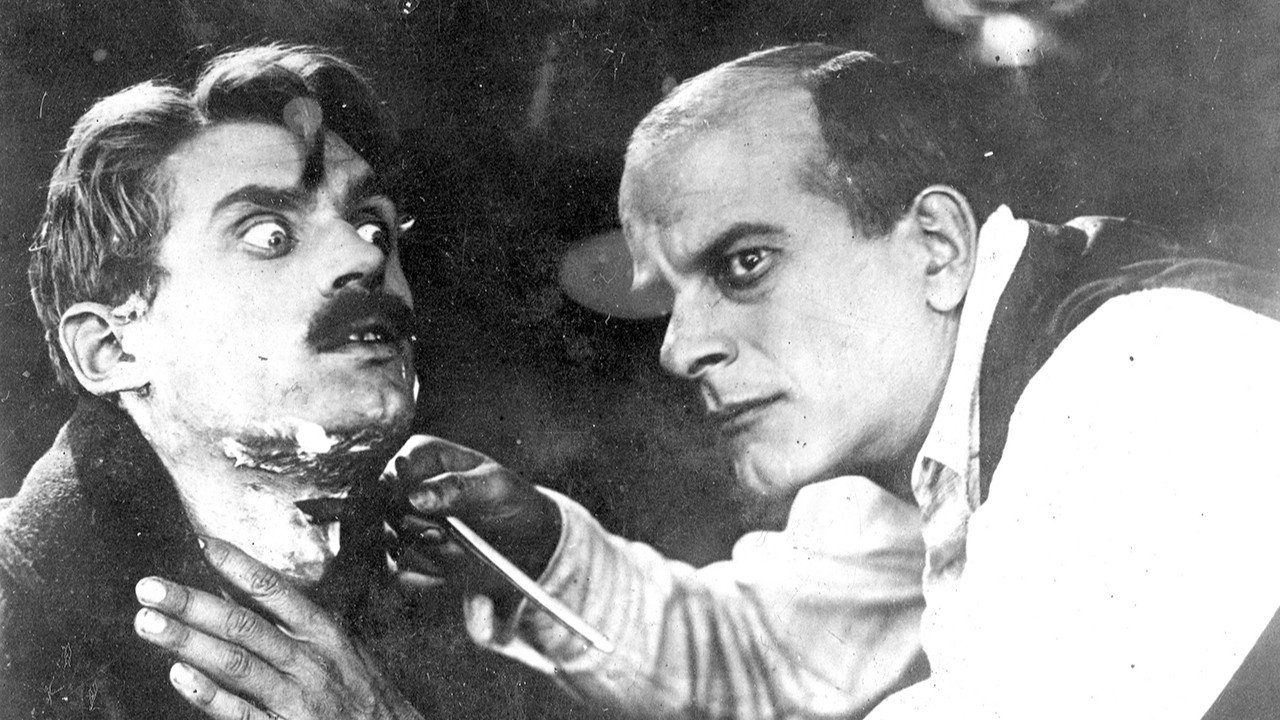
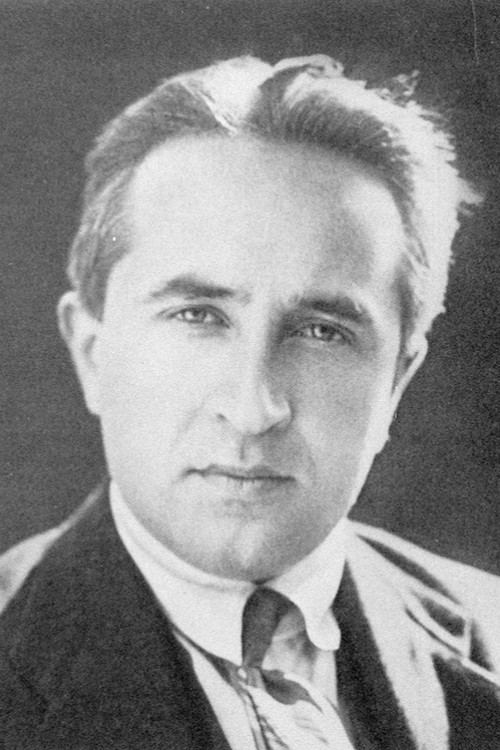
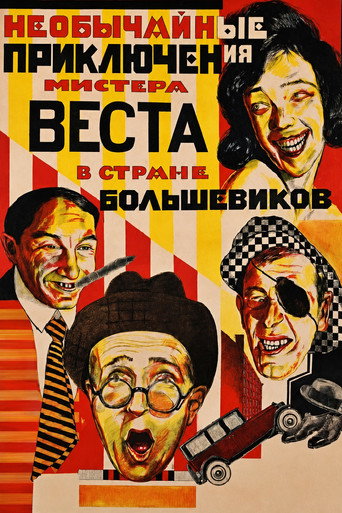
Lev Vladimirovich Kuleshov was a Russian and Soviet filmmaker and film theorist, one of the founders of the world's first film school, the Moscow Film School. People's Artist of the RSFSR (1969). Lev Kuleshov was born in 1899 into an intellectual Russian family. At the time he was born, the family became financially broke, lost their estate and moved to Tambov, living a modest life. In 1911 his father died; three years later Lev and his mother moved to Moscow where his elder brother was studying and working as an engineer. Lev Kuleshov decided to follow the steps of his father and entered the Moscow School of Painting, although he didn't finish it. In 1916 he applied to work at the film company led by Aleksandr Khanzhonkov. He produced scenery several pictures but with time he became more interested in film theory. He co-directed his first movie Twilight in 1917. His next film was released under the Soviet patronage. During the 1918-1920 he covered the Russian Civil War with a documentary crew. In 1919 he headed the first Soviet film courses at the National Film School. Kuleshov may well be the very first film theorist as he was a leader in the Soviet montage theory — developing his theories of editing before those of Sergei Eisenstein (briefly a student of Kuleshov). For Kuleshov, the essence of the cinema was editing, the juxtaposition of one shot with another. To illustrate this principle, he created what has come to be known as the Kuleshov Effect. In this now-famous editing exercise, shots of an actor were intercut with various meaningful images (a casket, a bowl of soup, etc.) in order to show how editing changes viewers' interpretations of images. In addition to his theoretical and teaching work, Kuleshov also directed a number of feature-length films. Among his most notable works is an action-comedy The Extraordinary Adventures of Mr. West in the Land of the Bolsheviks (1924), a psychological drama By the Law (1926) adapted from the short story by Jack London and a biographical drama The Great Consoler (1933) based on O. Henry's life and works. After directing his last film in 1943, Kuleshov served as an artistic director and an academic rector at VGIK where he worked for the next 25 years. Lev Kuleshov died in Moscow in 1970. He was buried at the Novodevichy Cemetery. He was survived by his wife Aleksandra Khokhlova (1897—1985) — an actress, film director and educator and her son from the first marriage.
Known For

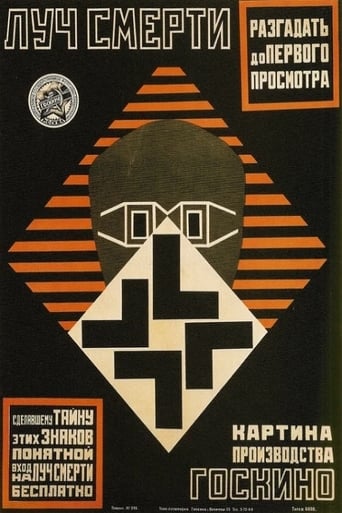
Filmography
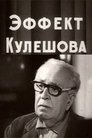
The Kuleshov Effect
Self
We from the Urals
Director
Timur's Oath
Director
Young Partisans
Director

Incident on a Volcano
Other
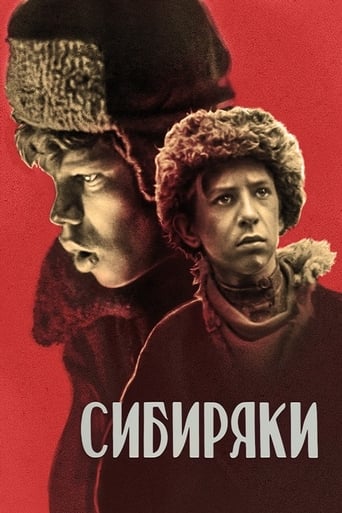
Siberians
Director
Our Cinema
(archive footage)
Dokhunda
Director
The Great Consoler
Director
Horizon
Director
Forty Hearts
Director
The Backlog!
Director
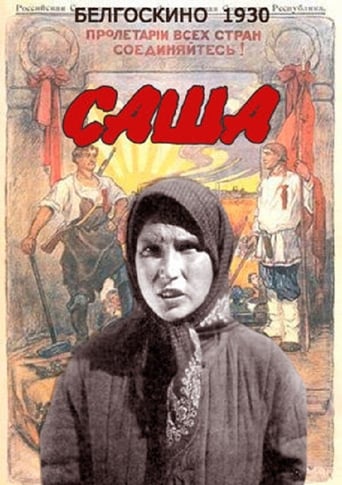
Sasha
Screenplay
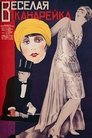
The Happy Canary
Director
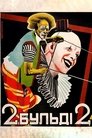
Two-Buldi-Two
Director
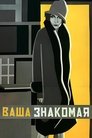
Your Friend
Director
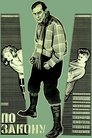
By the Law
Director
Locomotive No. 1006
Director
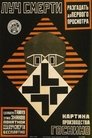
The Death Ray
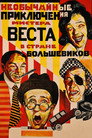
The Extraordinary Adventures of Mr. West in the Land of the Bolsheviks
Director
The Created Surface of the Earth
Director
At the Red Front
Resident of war zone
The Exposure of the Relics of Sergius of Radonezh
Co-Director
Smelchak
Editor
Taras's Dream
Editor
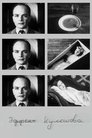
Kuleshov Effect
Director
Boulevard Slush
Production Design
Unfinished Love Song
Director
Miss Meri
Production Design
Engineer Prite's Project
Director
The King of Paris
Production Design
For Happiness
Enrico, painter
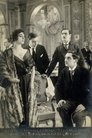
The Alarm
Production Design
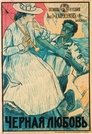
Black Love