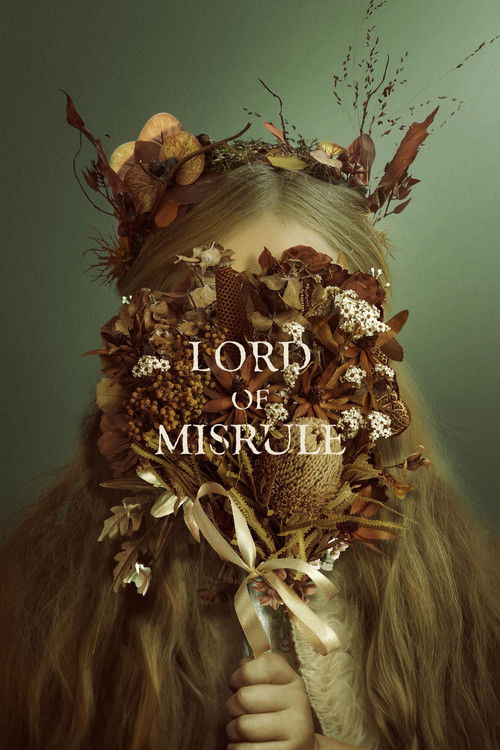
Lord of Misrule
When the daughter of the town's new priest goes missing during the harvest festival, a desperate search begins, uncovering the town's dark history and resurfacing tales of a mysterious, malevolent spirit that demands sacrifice.
Trailers & Videos 4
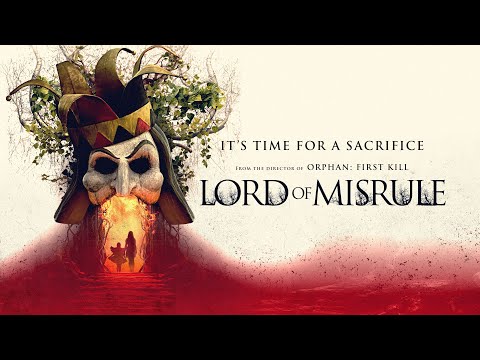
UK Trailer

Official Trailer
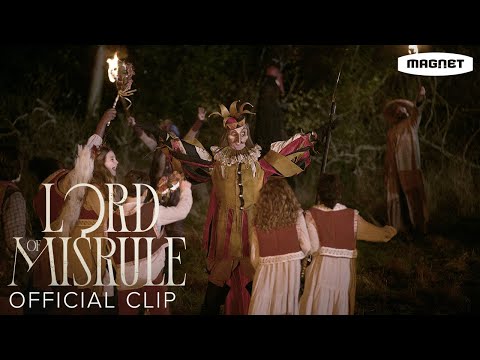
Meeting the Lord Clip

She's Away Now
Cast

Tuppence Middleton
Rebecca Holland

Jane Wood
Ida Tremlow

Evie Templeton
Grace Holland

Matt Stokoe
Henry Holland

George Keeler
Dave Garfoot

Sally Plumb
Marjorie Garfoot

Ralph Ineson
Jocelyn Abney

Anton Valensi
George Furleigh
Catriona Yuill
Callie Furleigh

Alexa Goodall
Bryony Furleigh

Rosalind March
Miri Tremlow

David Langham
DI Hythe
Ratings & Reviews
No community reviews yet. Be the first to share your thoughts!
TMDB Reviews

FolknHell
TMDB1 month ago
Lord of Misrule has a problem unusual for folk horror: it is far too eager to prove that it is folk horror.
Before we have properly met the village, the film is already dealing out horned skulls, corn-dolly shapes, ritual objects, church bells, fields and pagan-looking paraphernalia. Then comes the harvest festival, with Morris dancers, bonfires, children dressed as woodland creatures and the distinctly alarming Gallowgog. It doesn't so much plant clues as arrange them neatly on the village green and ring a bell.
Which is frustrating, because buried inside all that signalling is a much better idea.
The village festival feels strangely practised. When the Lord of Misrule strikes his staff, the villagers fall silent immediately. The costumes aren't charming bits of annual amateur theatrics either. They look maintained, inherited and taken seriously. What initially seems slightly too slick for a rural knees-up becomes considerably more interesting once we realise these people aren't playing at tradition. Tradition is what they do.
That could have made Rebecca, the newly arrived vicar, a terrific outsider through whom to discover the village. Even the locals calling her and her husband “Mrs Vicar” and “Mr Vicar” carries the faint suggestion that everybody already knows where the newcomers sit in the hierarchy.
Instead, Lord of Misrule repeatedly explains what it might have allowed us to uncover. Once Rebecca's daughter disappears, we should be sharing her mounting panic while gradually discovering how completely the village has closed around her. But her desperation never quite reaches the level the situation demands, while her husband is so thinly written that his involvement sometimes seems almost optional. Police complicity, older rituals and intriguing supernatural details arrive, but too often as information rather than revelation.
Ralph Ineson gives the village's mythology some genuine weight, and there are images here that stick: bloody eg...