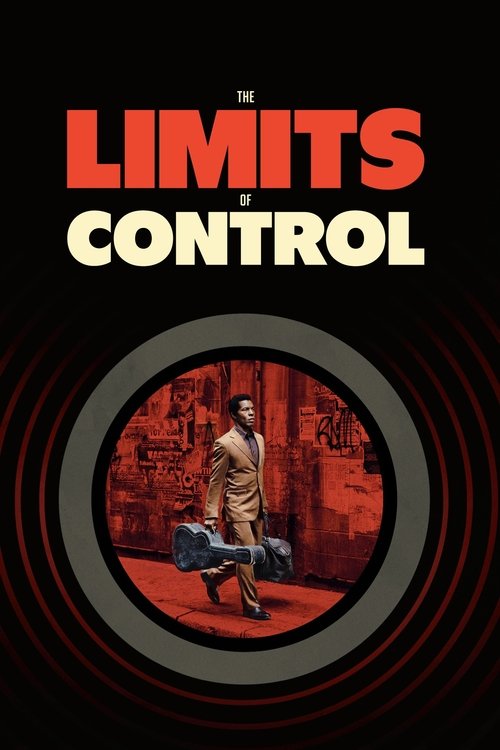
The Limits of Control
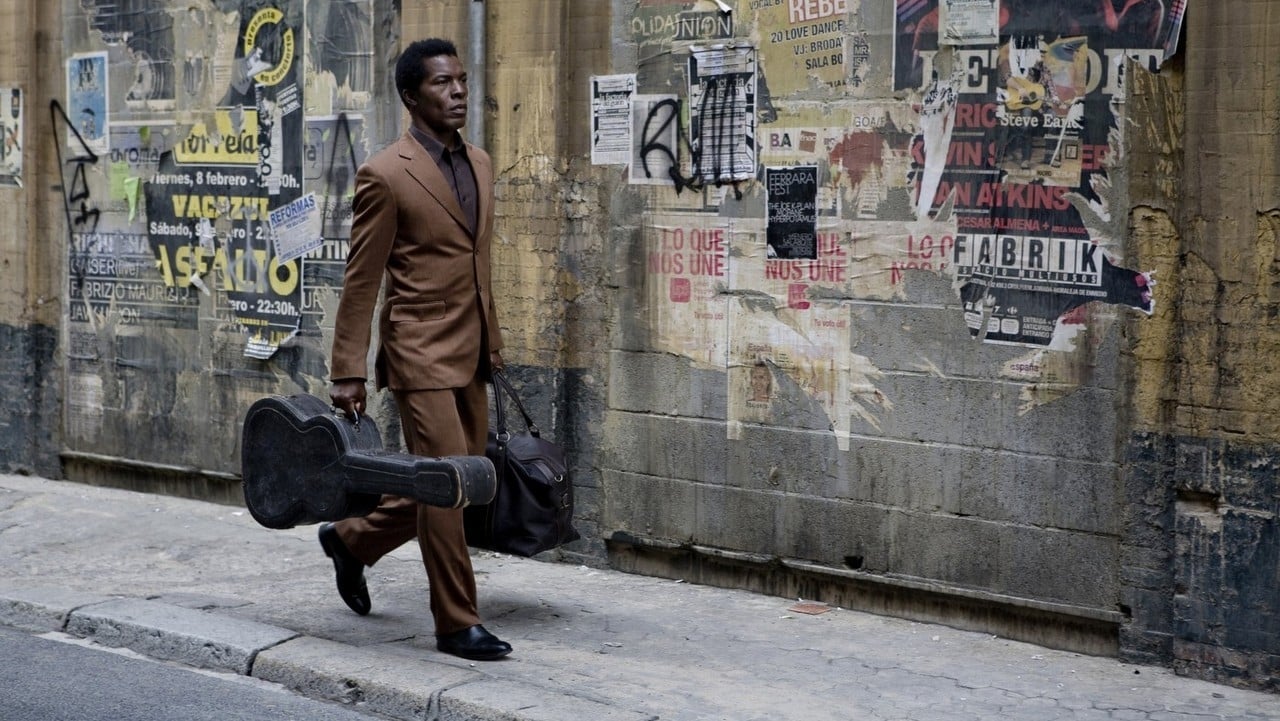
A mysterious stranger works outside the law and keeps his objectives hidden, trusting no one. While his demeanor is paradoxically focused and dreamlike all at once, he embarks on a journey that not only takes him across Spain, but also through his own consciousness.
Trailers & Videos 4

Official Trailer
Archival Talks: Jim Jarmusch, "The Limits of Contr...
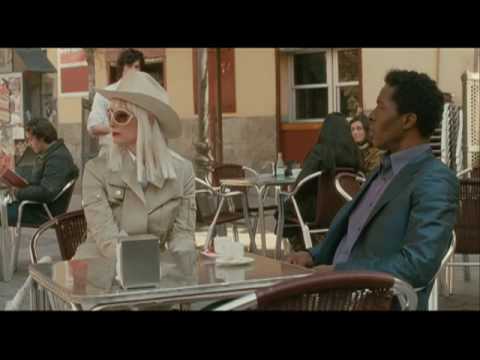
Blonde Clip
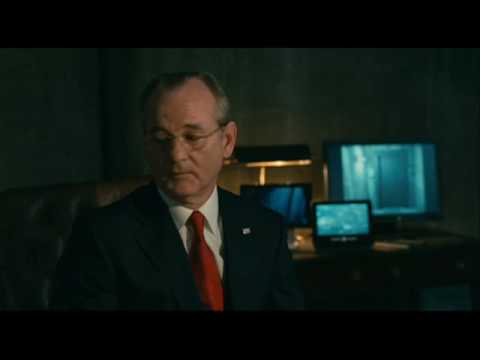
I Used My Imagination Clip
Cast

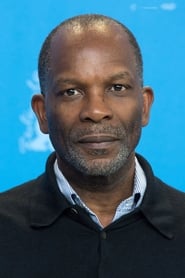

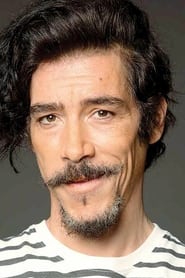







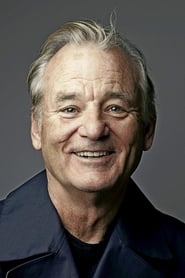
Ratings & Reviews
No community reviews yet. Be the first to share your thoughts!
TMDB Reviews
8 years ago
Jim Jarmusch's 2008 film The Limits of Control concerns a nameless hitman (Isaach De Bankole) as he prepares to carry out an assassination in Spain. It is not overtly stated that he is a professional, but his uncompromising posture, his unchanging expression and the omnipresent suitcase make it clear from the very first minutes of the film. Isaach De Bankole is perfect in this role, as he has a face that seems carved out of granite. The hitman's few intimations of humanity are thus all the more shocking.
As the film proceeds, the hitman meets a series of individuals who send him onwards in his journey to pick up necessary equipment and finally confront his victim. These employees of his mysterious employer are left nameless, though often referred to by items they carry or other qualities: "Guitar" (John Hurt), "Blond" (Tilda Swinton), "Violin" (Luis Tosar), "Mexican" (Gael García Bernal), and "Molecules" (Youki Kudoh). In engaging the assassin in conversation to subtly convey their messages, they end up delivering eccentric monologues. Many critics lambasted these lines as so much metaphysical babble. In fact, everything said relates very directly to the plot, but this is the sort of film that demands a second viewing to really tie everything together, and those who fail to be intrigued enough on the first viewing to go on to a second may find this film a failure.
Though Jarmusch alludes to America under the Bush administration at points, this is ultimately a psychological drama: the hitman's task and contacts represent only parts of his own psyche. While some have tried to view this as a simple Freudian struggle between the id, ego, and superego, I feel that Jarmusch is aiming for something more subtle, something that he has great difficult putting into words and, even with his best efforts, this film can only hint at. THE LIMITS OF CONTROL feels like a cinematic analogue to the late albums of Scott Walker, where the songs' characters, cultural referen...