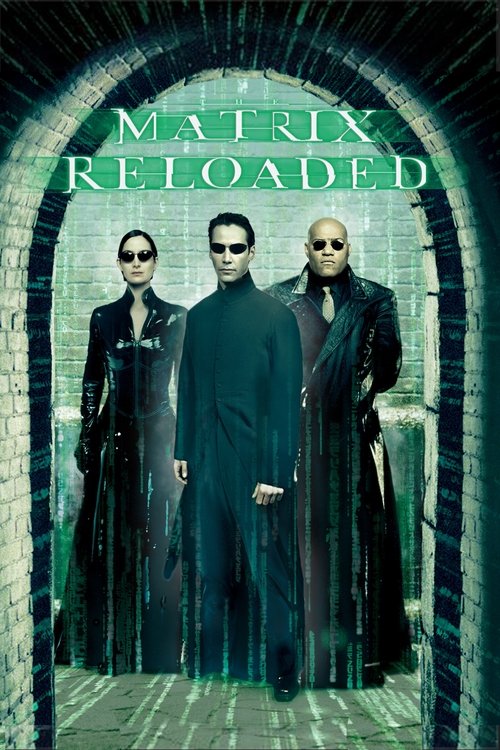
The Matrix Reloaded
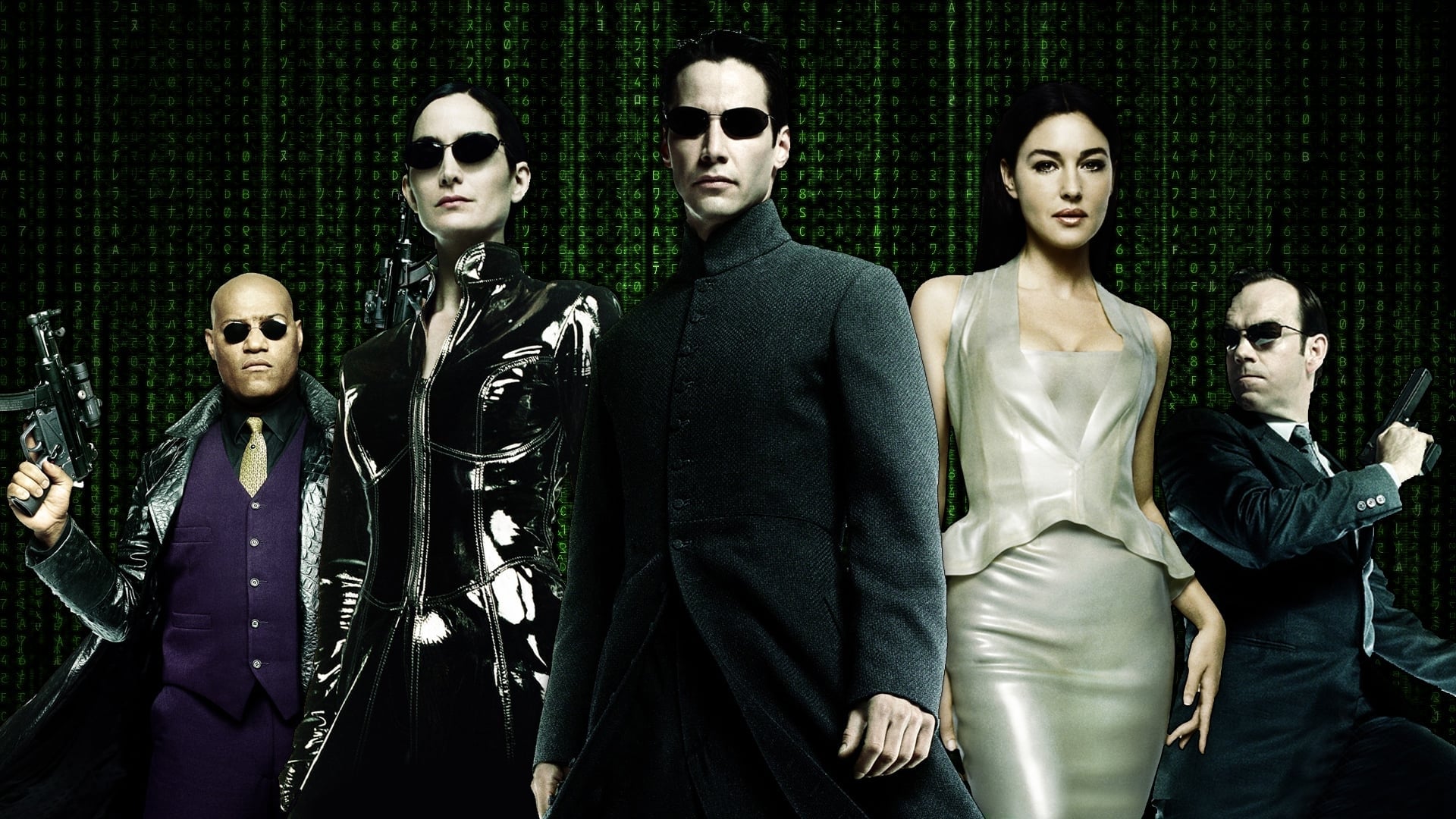
The Resistance builds in numbers as humans are freed from the Matrix and brought to the city of Zion. Neo discovers his superpowers, including the ability to see the code inside the Matrix. With machine sentinels digging to Zion in 72 hours, Neo, Morpheus and Trinity must find the Keymaker to ultimately reach the Source.
Trailers & Videos 3
Original Theatrical Trailer
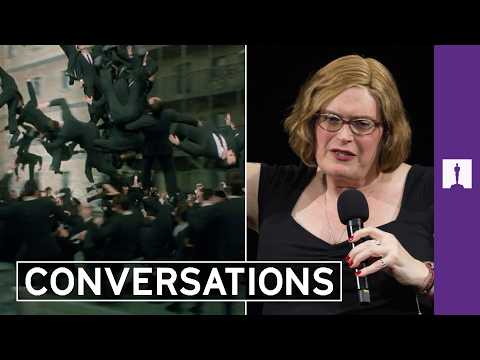
The Burly Brawl From 'Matrix Reloaded' Was Suppose...
Full Movie Preview
Cast
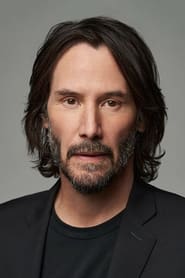
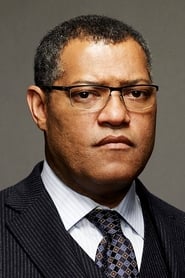

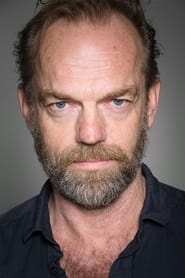


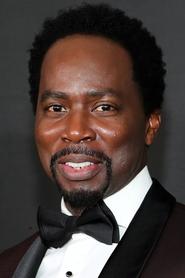



Ratings & Reviews
No community reviews yet. Be the first to share your thoughts!
TMDB Reviews
13 years ago
Commander Lock: "Not everyone believes what you believe." Morpheus: "My beliefs do not require that they do." Characters are always talking like this in "The Matrix Reloaded," which plays like a collaboration involving a geek, a comic book and the smartest kid in Philosophy 101. Morpheus in particular unreels extended speeches that remind me of Laurence Olivier's remarks when he won his honorary Oscar--the speech that had Jon Voight going "God!" on TV, but in print turned out to be quasi-Shakespearean doublespeak. The speeches provide not meaning, but the effect of meaning: It sure sounds like those guys are saying some profound things.
That will not prevent fanboys from analyzing the philosophy of "The Matrix Reloaded" in endless Web postings. Part of the fun is becoming an expert in the deep meaning of shallow pop mythology; there is something refreshingly ironic about becoming an authority on the transient extrusions of mass culture, and Morpheus (Laurence Fishburne) now joins Obi-Wan Kenobi as the Plato of our age.
I say this not in disapproval, but in amusement. "The Matrix" (1999), written and directed by the brothers Andy and Larry Wachowski, inspired so much inflamed pseudo-philosophy that it's all "The Matrix Reloaded" can do to stay ahead of its followers. It is an immensely skillful sci-fi adventure, combining the usual elements: heroes and villains, special effects and stunts, chases and explosions, romance and oratory. It develops its world with more detail than the first movie was able to afford, gives us our first glimpse of the underground human city of Zion, burrows closer to the heart of the secret of the Matrix, and promotes its hero, Neo, from confused draftee to a Christ figure in training.
As we learned in "The Matrix," the Machines need human bodies, millions and millions of them, for their ability to generate electricity. In an astonishing sequence, we saw countless bodies locked in pods around central cores that extended out of sigh...

3 years ago
I'll tell you something that a lot of people don't know... teachers make lesson plans around movies when they need an easy day. They keep them in their pocket when they feel a little sick, or when they were up all night watching the election returns or, you know, drinking and playing stupid games with the college roommates they still live with because they are single and having roommates is a little more fun.
This is one of those movies that I sucked the joy out of and used to teach the philosophy of the Reformation... but, you know, I tried to be the cool teacher and throw in some wire-fu action between stripping all the joy out of it for them.
We look at Calvinism and that philosophy... we watch the really cool car chase We examine the concepts of predestination in Christianity, we watch a shoot out. We talk about faith and free will... we watch a fight scene before moving on to the next scene.
Because when you are hung over in a class full of people old enough to know you are hung over, and some of which are probably just as hung over, you want a little wire-fu at work.
I don't know if they enjoyed it, but I know I did. And I know it's full of enough philosophical mumbo jumbo and long diatribes about religion to be able to use as a fun classroom tool.
Plus, you know, stylized Kung-Fun and gun violence is fun to watch.