Cast




Ratings & Reviews
No community reviews yet. Be the first to share your thoughts!
TMDB Reviews
6 years ago
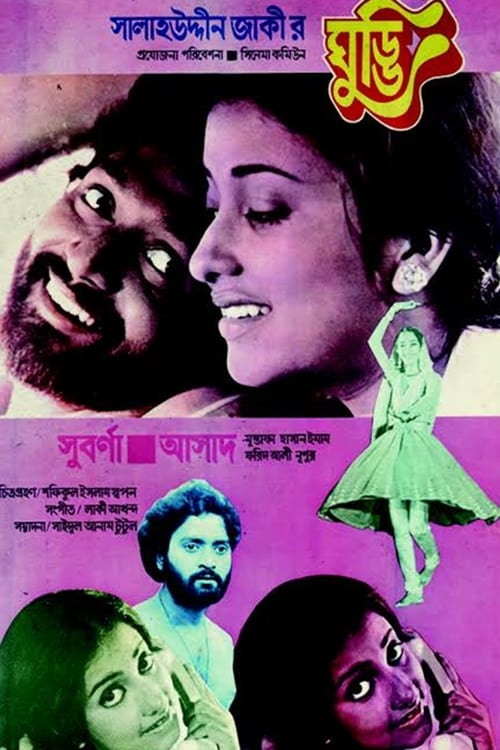
There are very few films made in our country that can be credited as alternative films. The last person to showcase this independent approach, both nationally and globally was Tarek Masud. And before him, one would always remember icons such as Alamgir Kabir and Zahir Raihan. Along side these legends, there was one director Salauddin Zaki, who, with just one film, made celluloid history.
The cinema we are going to discuss unfortunately doesn't have any dvds and is not even on the internet. The lack of screenings aside, this film plays a very important role in our industry. This film can be credited as one of our earliest approaches to the neo realism film movement. It not only gave us a perfect representation of the youth of that time but also gave us legendary actors such as Raisul Islam Asad, Naila Azad Nupur and Suborna Mustafa. In 1980, as the country was immersed in good guy-bad guy romantic films, we witnessed a different approach to love and friendship through Salauddin Zaki's first film, Ghuddi.
The film started off as a Dhaka Theatre project and most of the people involved with the film came from Dhaka Theatre. Salauddin Zaki had just come back from the Pune Film School and this was going to be his first endeavour into the medium. “What was very interesting is that most of the technical people, who worked behind the camera, including Shafiqul Islam Swapon, the cinematographer, were Pune Film School graduates. So you can say we had a very strong team to work with,” says Suborna Mustafa. Ghuddi was Suborna's first stride into cinema; she was cast to play the lead role at the age of sixteen. “I was doing my SSC when the role was offered. My father agreed but only if it was after my exams. So when school was over, my journey into celluloid began.”
Though Ghuddi focused on the reality of post independent Bangladesh's youth, it was a love story nonetheless. “I think that was the best part of the film. It was a love story which beautifully tackled our pos...