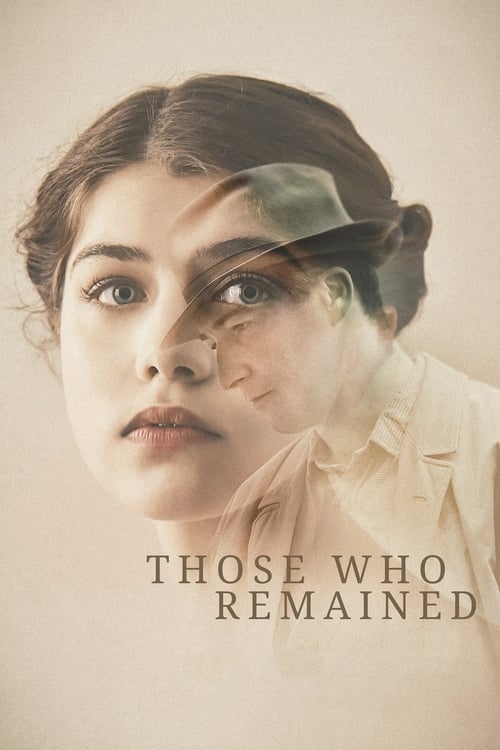
Those Who Remained
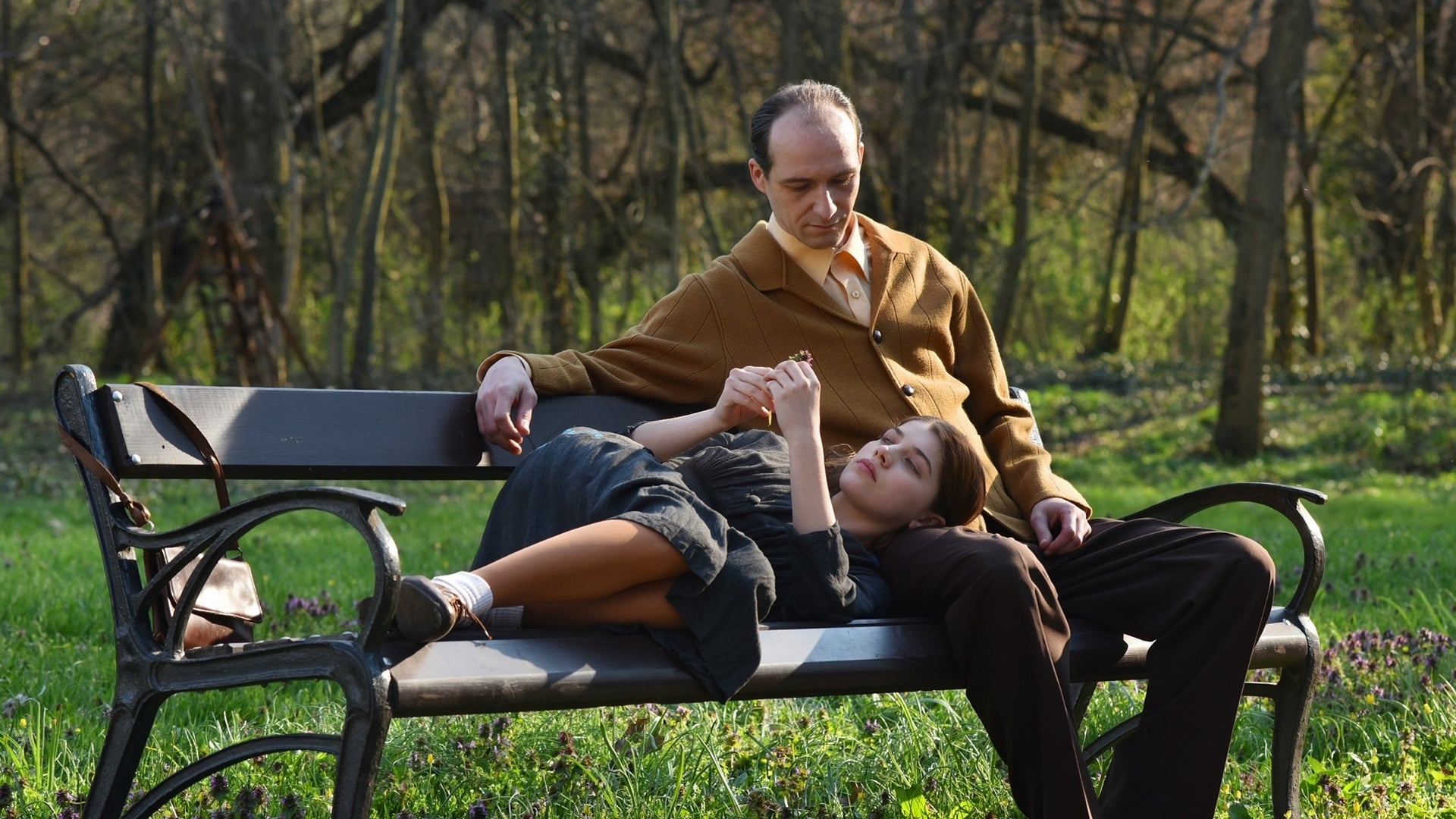
After surviving the Holocaust, a grieving man who lost his wife and two young boys connects with a teenage girl who lost her parents and little sister. Knowing each other's emptiness, they become like father and daughter. It is the beginning of a profound love the world doesn't understand.
Trailers & Videos 1
THOSE WHO REMAINED/ Akik maradtak Trailer (EN)
Cast







Ratings & Reviews
No community reviews yet. Be the first to share your thoughts!
TMDB Reviews
6 months ago
Just when I think I've seen so many Holocaust films that nothing in that realm will impress me, Hungarian director Barnabás Tóth brings me Those Who Remained. I think I used an entire box of kleenex.
Tóth deserves all the awards he received and he more he should've received. This is a brilliant film on many levels. His sense of color and tone are perfect, subdued and careful, never overwhelming the quiet devastation at the film's center. His timing is impeccable, knowing when to hold on a face, when to let silence do the work, when to allow small gestures to carry enormous weight. He makes post-war Hungary feel very close, not as historical distance but as immediate, lived reality.
The film follows two people: a middle-aged doctor and a teenage girl, both Holocaust survivors. When we think of PTSD, we think of soldiers who were in Vietnam, or Iraq, for example. But the two lead characters in Those Who Remained suffer PTSD from the trauma of having their entire families ripped out of their lives. None of us can even begin to imagine the horror. And yet, this kind of thing happens still in the world — families destroyed, children orphaned, survivors left to navigate grief so profound it has no language.
Were they in love? You've heard of Freud's transference, no doubt. There is another aspect of therapy that few talk about. For the best therapists, it is an act of love, and more often than not, it costs them a piece of their heart. I had such a therapist who admitted this to me, that he understood he couldn't continue for too long. The work of truly seeing another person's pain, of holding space for their healing, requires giving something of yourself that cannot be replaced.
What these two characters have is a kind of therapeutic relationship. The older man gives more because he can, because his age and his profession have taught him how to hold suffering without collapsing under it. But in return, the girl helps him too. She gives him purpose, a reason t...