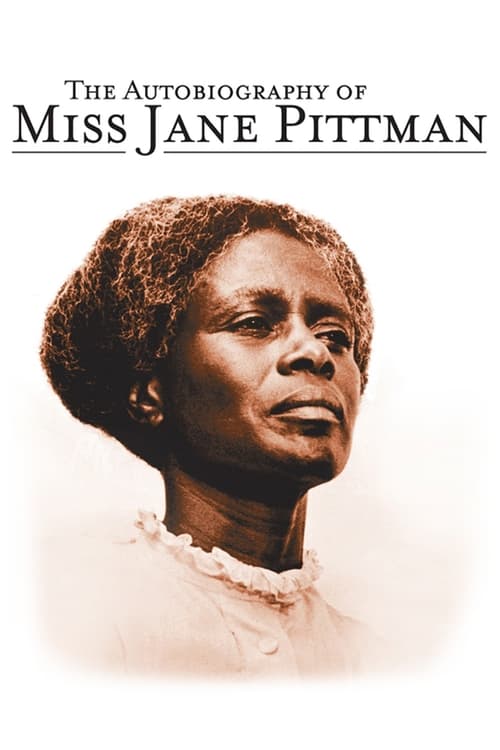
The Autobiography of Miss Jane Pittman
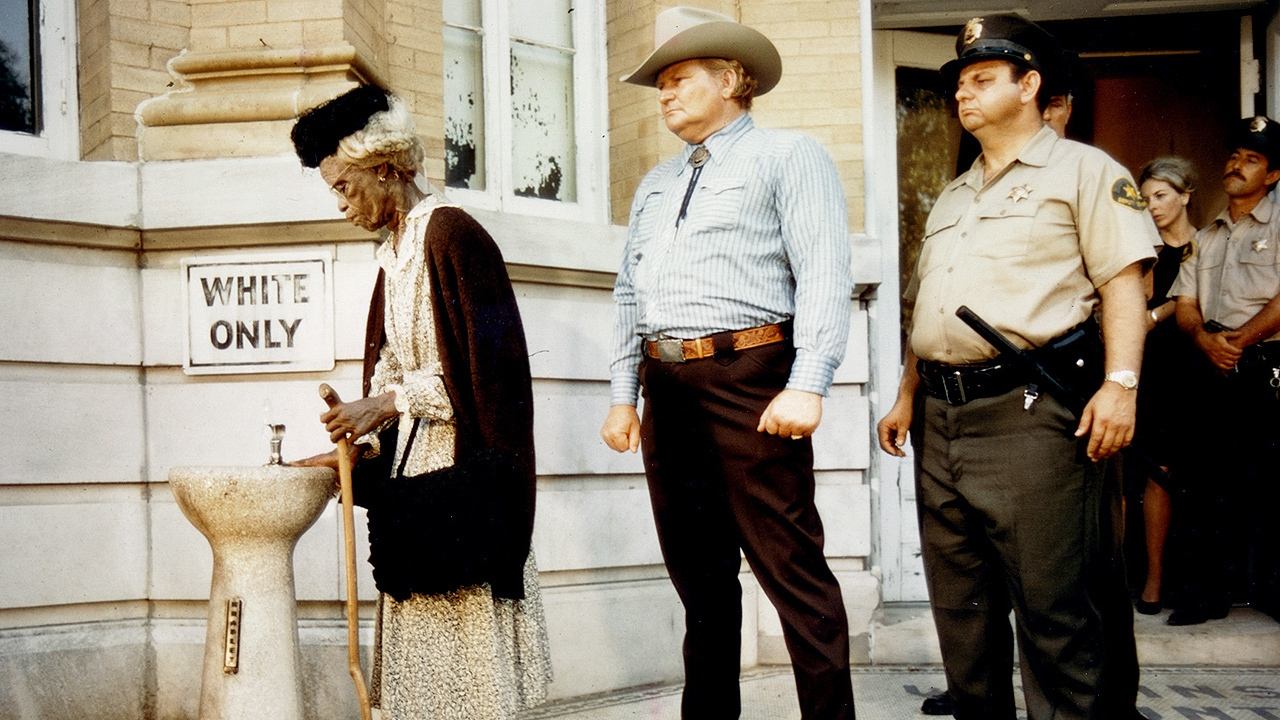
In February, 1962, as the civil rights movement reaches Bayonne, Louisiana, a New York journalist arrives to interview Jane Pittman, who has just turned 110. She tells him her story dating back to her earliest memories before slavery ended. In between the chapters of her life, the present-day struggles of Blacks in Bayonne, urged on by Jimmy, are dramatized.
Trailers & Videos 1
Miss Jane Pittman
Cast

Cicely Tyson
Jane Pittman

Eric Brown
Jimmy (age 7)
Richard Dysart
Master Bryant
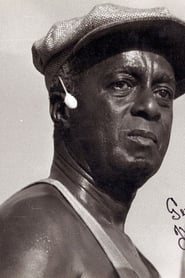
Joel Fluellen
Unc Isom
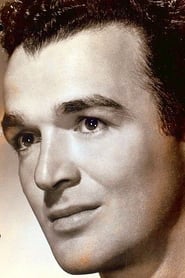
Will Hare
Elbert Cluveau

Katherine Helmond
Lady at House
David Hooks
Colonel Dye
Elinora B. Johnson
Mary
Warren Kenner
Job
Dudley Knight
Trooper Brown
Derrick Mills
Little Ned (age 5)
Valerie Odell
Ticey
Ratings & Reviews
No community reviews yet. Be the first to share your thoughts!
TMDB Reviews

CinemaSerf
TMDB4 days ago
I'm usually quite sceptical when it comes to television movies about history. They often spend way too much time on the costumes and ensuring the cameras get everywhere all at once and sacrifice the writing and the acting in the process. That cannot be said of the really characterful effort from Cicely Tyson in the title role here. She's managed to reach the ripe old age of 110 and has agreed to give an interview to journalist "Quentin" (Michael Murphy). Now just how would she even know she is that old? There's not going to be any documentation... Well, what she does have are memories and stretching back before the abolition of slavery, she now regales us with an history of her life intertwined with an history of her nation. From her emancipation as a young girl in the 1860s through her first love, marriage to Joe (Rod Perry) and adoption of Ned; her desire for education and her continuous struggle to keep those around her alive long enough to benefit from the freedoms she, and they, dreamt of, we are taken on a trip down her pretty turbulent memory lane. The episodic nature of this chronology is quite effective at demonstrating that just because there was a piece of legislation setting these folks free, it didn't mean that in practice they were. Their livelihoods were just as dependent on their former owners as before, and even if they could just walk out of the gates - for a fee - where would they go and what would they do? The law didn't integrate and violent segregation was routinely enforced by men in uniform or men in white masks and as Miss Pittman ages we see the roots of improvement - but they are very vulnerable as the civil rights movement's peaceful protests provoke less benign responses from elsewhere. This takes much more of an observational approach to the development of the USA and by showing us examples of the extremes of attitudes and tempering them with quite an astonishing degree of human decency and even respect, we are left at the end with quit...