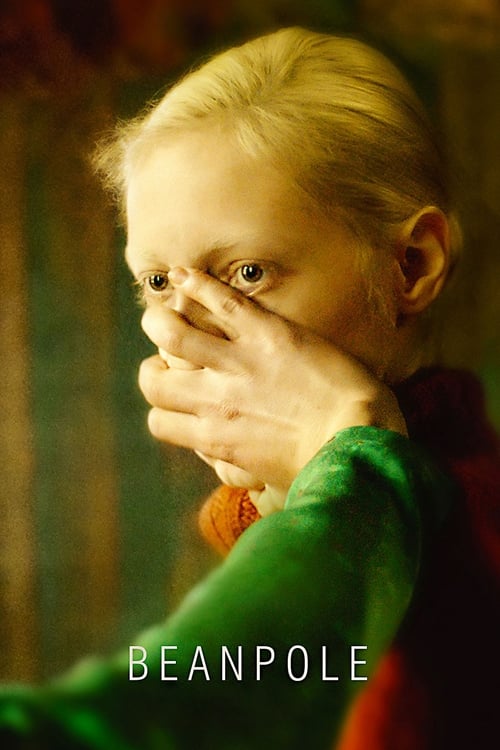
Beanpole
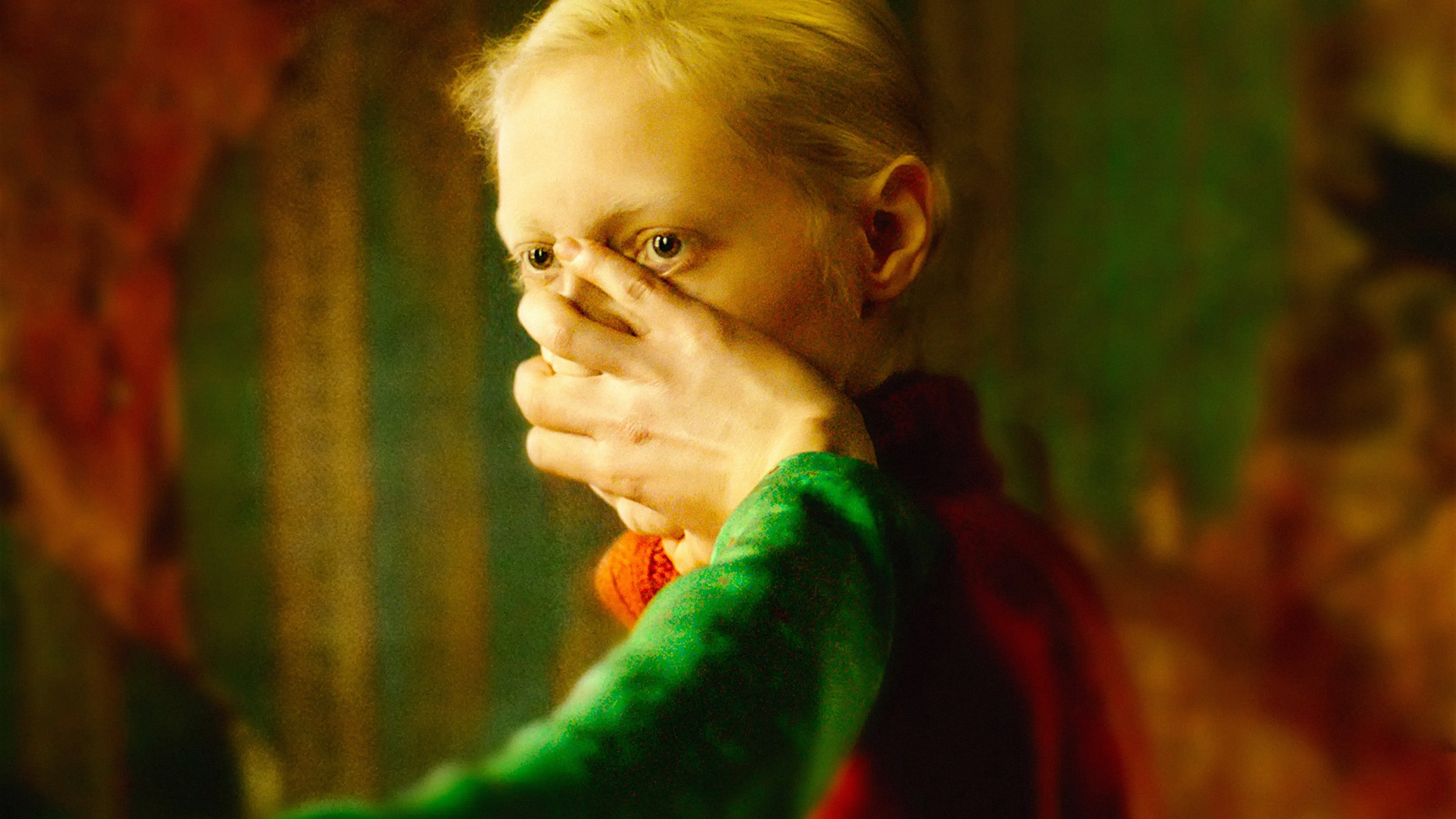
1945, Leningrad. World War II has devastated the city, demolishing its buildings and leaving its citizens in tatters, physically and mentally. Two young women, Iya and Masha, search for meaning and hope in the struggle to rebuild their lives amongst the ruins.
Trailers & Videos 4
Official U.S. Trailer
Trailer
Official U.S. Teaser

Kantemir Balagov on Beanpole, the Trauma of WWII,...
Cast
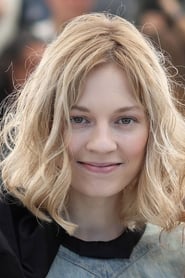
Viktoriya Miroshnichenko
Iya Sergueeva

Vasilisa Perelygina
Masha

Konstantin Balakirev
Stepan

Kseniya Kutepova
Lyubov Petrovna

Olga Dragunova
Seamstress

Andrey Bykov
Nikolay Ivanovich
Igor Shirokov
Sasha
Timofey Glazkov
Pashka
Alyona Kuchkova
Stepan's Wife
Veniamin Kac
Sasha's Friend
Denis Kozinets
Sasha's Father

Alisa Oleynik
Katya
Ratings & Reviews
No community reviews yet. Be the first to share your thoughts!
TMDB Reviews

Stephen Campbell
TMDB6 years ago
Very bleak and somewhat compelling – a film I admired more than I liked
The basis for the Stakhanov movement was first and foremost the radical improvement in the material welfare of the workers. Life has improved, comrades. Life has become more joyous. And when life is joyous, work goes well. Hence the high rates of output. Hence the heroes and heroines of labour. That, primarily, is the root of the Stakhanov movement. If there had been a crisis in our country, if there had been unemployment – that scourge of the working class – if people in our country lived badly, drably, joyless__ly, we should have had nothing like the Stakhanov movement.
- Joseph Stalin; Speech at the First All-Union Conference of Stakhanovites (November 17, 1935)
Nothing has contributed so much to the corruption of the original idea of socialism as the belief that Russia is a socialist country and that every act of its rulers must be excused, if not imitated. And so for the last ten years, I have been convinced that the destruction of the Soviet myth was essential if we wanted a revival of the socialist movement.
- George Orwell; Preface to the Ukrainian edition of Animal Farm (March, 1947)
Written by Kantemir Balagov (Tesnota) and Aleksandr Terekhov (Matilde) and directed by Balagov, Dylda [Beanpole] is inspired by (although not based on) The Unwomanly Face of War by Svetlana Alexievich. An oral history of the experiences of Russian women who fought during World War II, the book was originally published in 1985 in a heavily censored version, after Soviet authorities told Alexievich she should be writing not about "filth" but about victory (her uncensored original text was eventually published in 2017). When she was announced as the winner of the 2015 Nobel Prize in Literature, the chair of the Swedish Academy, Sara Danius, called her writing "a monument to courage and suffering in our time". And so we have Dylda, which has a hell of a lot of suffer...