Sympathy for the Devil
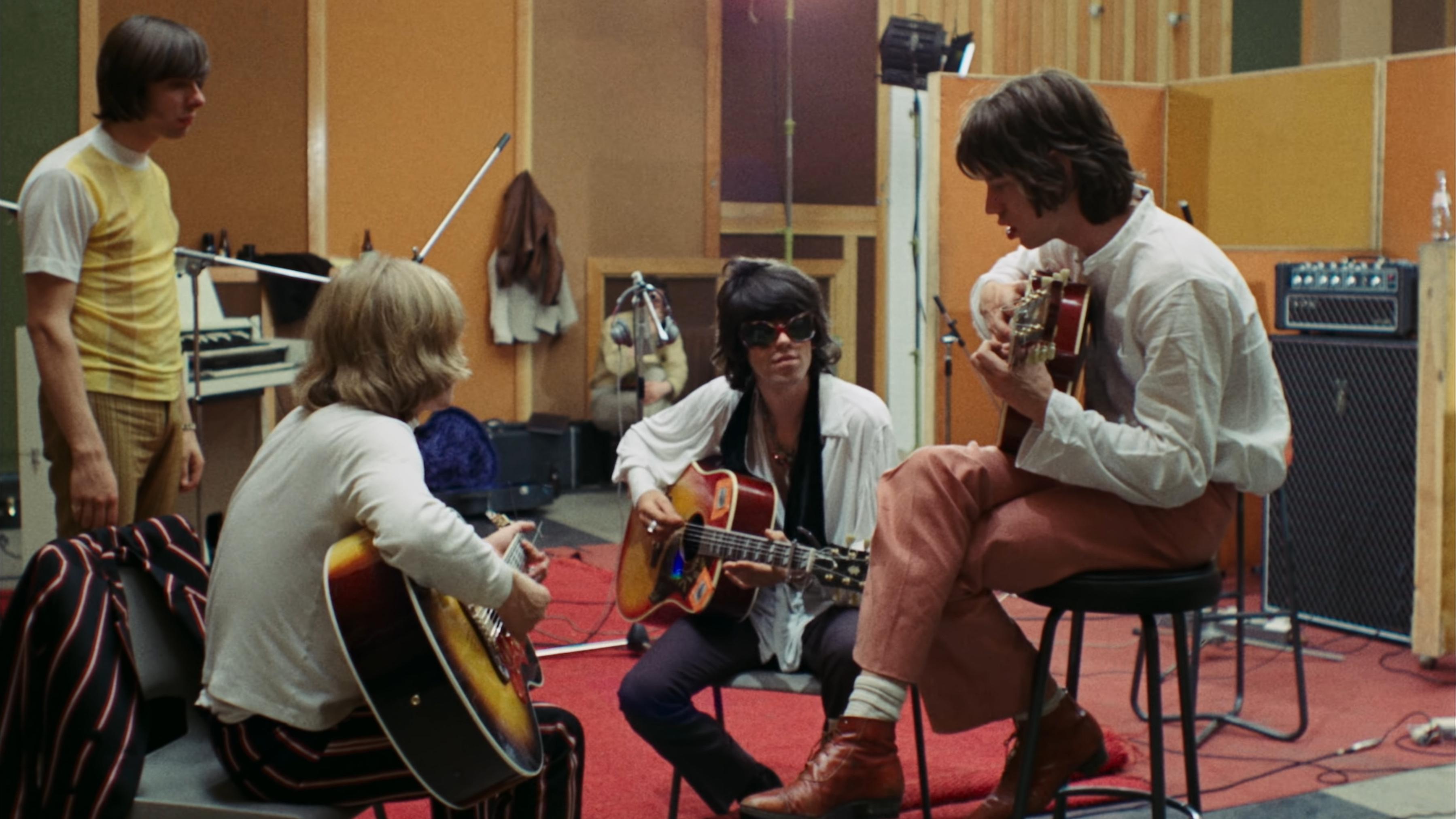
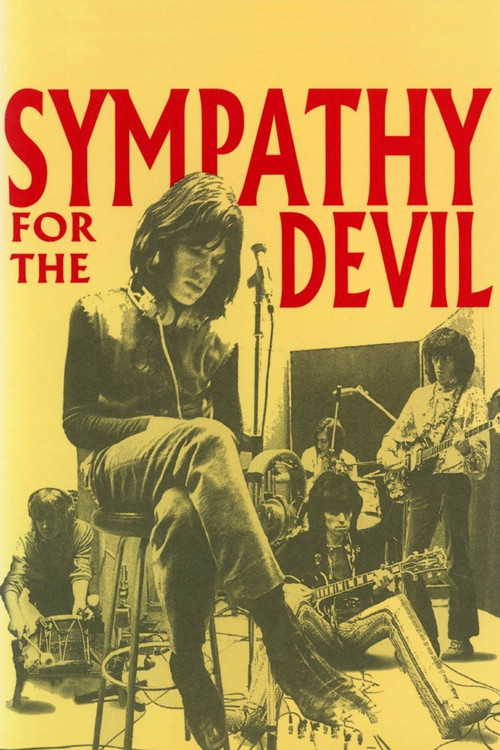
While The Rolling Stones rehearse "Sympathy for the Devil" in the studio, an alternating narrative reflects on 1968 society, politics and culture through five different vignettes.
Trailers & Videos 1
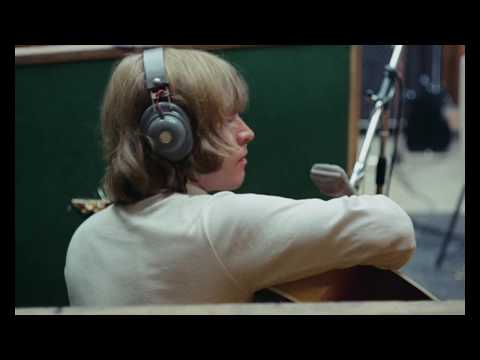
Sympathy for the Devil 50th Anniversary (4K Traile...
Cast
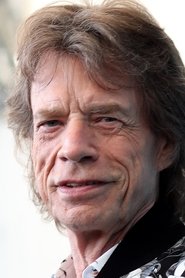
Mick Jagger
Self
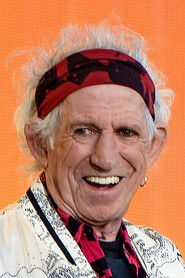
Keith Richards
Self
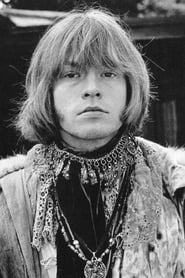
Brian Jones
Self

Charlie Watts
Self
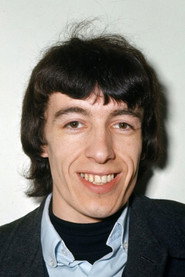
Bill Wyman
Self
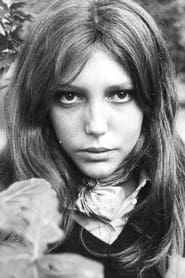
Anne Wiazemsky
Eve Democracy
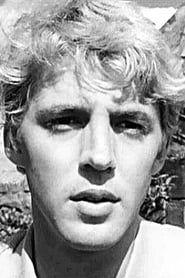
Iain Quarrier
Fascist Porno Book S...
Frankie Dymon
Black Power Militant
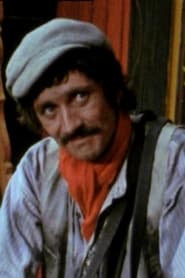
Sean Lynch
Commentary (voice)
Danny Daniels
Black Power Militant

Ilario Bisi-Pedro
Roy Stewart
Black Power Militant
Ratings & Reviews
No community reviews yet. Be the first to share your thoughts!
TMDB Reviews
8 years ago
Has a film ever combined one theme of such wide popular appeal with another that will interest only a small crowd and simply baffle that big popular audience? Jean-Luc Godard's Sympathy for the Devil would delight one set of viewers and infuriate another. How does one even give a star rating to this?
In May 1968, Jean-Luc Godard was permitted to film the Rolling Stones over several days in a London studio as they gradually fleshed out their now classic song "Sympathy for the Devil", and so one might expect simply a documentary about a rock band's creative process. However, over the last year Godard had broken ties with conventional cinema (even in its zany French New Wave form) and was now interested in using film to agitate for the Maoist philosophy that he had latched onto as the Zeitgeist for this era. Consequently, hardly have we seen the Stones at work before Godard cuts to completely different footage centered around the reading of strident political texts. Over the course of the film we repeatedly go back and forth between the Rolling Stones in the studio and political shots: Black Panthers sitting around a junkyard and advocating revolution, a woman spray-painting Maoist slogans over London walls, a comic book shop as a metaphor for American imperialism, etc.
Even if the juxtaposition is jarring and indeed rather silly, the Rolling Stones portion of the film is satisfying for fans of this music. The viewer gets a sense of how the song "Sympathy for the Devil" went from merely a product of Jagger's imagination that he has to teach Keith Richards to ultimately the ample rendition with conga and backing-vocals that was finally released. Probably unbeknownst to Godard himself at the time, the film also serves as a portrait of Brian Jones' breakdown only about a year before his death: he's sometimes present in the studio, but he just sits in the corner, neglected by his bandmates and strumming a guitar that isn't even miked.
The rest of the Stones...