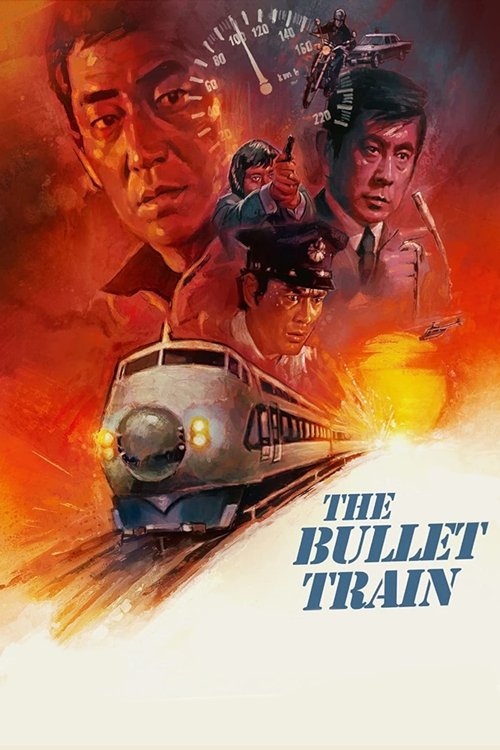
The Bullet Train
A Japanese bullet train is threatened with a bomb that will explode automatically if the train slows below 80 km/h, unless a ransom is paid. Police race to find the bombers so the train crew can learn how to defuse the bomb.
Trailers & Videos 6
Alternative Japanese Trailer (Subtitled)
Original 1975 Japanese Trailer (Subtitled)
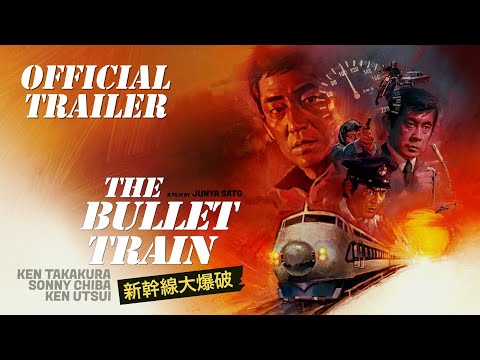
Eureka Classics Trailer
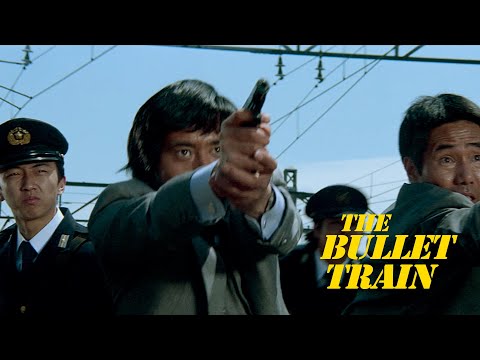
Police locate Koga, but fail to arrest him
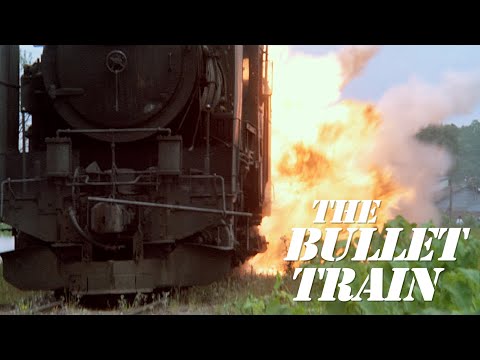
The freight train is blown up
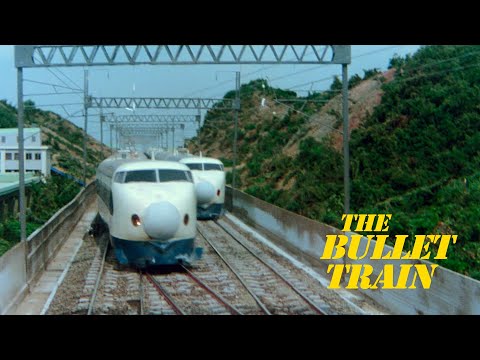
The near miss with 'Down' train 109
Cast






Ratings & Reviews
No community reviews yet. Be the first to share your thoughts!
TMDB Reviews

4 years ago
In the early 70s, disaster movies started gaining popularity with the likes of Airport (1970), The Poseidon Adventure (1972), The Towering Inferno (1974), and Earthquake (1974). These movies killed it at the domestic and international box offices. Toei, one of the Big Four Japanese film studios at the time, noticed and wanted to take advantage of the trend. Japan’s famous bullet train system’s first two rail lines, Tokaido and San'yō, were opened in 1964 and 1972, respectively. The mode of travel was, to that point, synonymous with Nippon, so the Toei execs wanted to try and use the iconic Shinkansen. They brought in journeyman director/writer, Jun’ya Satô to help adapt Arei Katô’s book into the first big Japanese disaster movie (non-Kaiju). Satô wrote the first half and established Toei screenwriter Ryûnosuke Ono wrote the second; this took about a month to complete.
Initially Toei and Satô wanted international movie star Bunta Sugawara to play Okita, the main role; however, Bunta’s wife said that it wasn’t a good fit for her husband because “the train was the main character.” The role was then offered to Ken-san, who was trying to get released from Toei for years, and a deal was made for him to star. The role of Koga was written for Yoshio Harada, but his casting also didn't work out, therefore Toei got Kei Yamamoto to fill the role since he had a similar look to Harada. Since Toei was trying to follow the formula of the American disaster movies, they also casted Sonny Chiba, Tetsurō Tamba, Kunie Tanaka, Takashi Shimura, and more to make it a star-studded billing. Due to the Japanese title (Shinkansen Daibakuha, meaning "Bullet Train Big Explosion"), the Japanese National Railway (JNR) was not going to cooperate with the studio. A 1/20th scale model bullet train set was produced for most of the exterior action shots. The film finished shooting in about 40 days.
Shinkansen Daibakuha’s story follows three entities: th...