A Moment of Innocence
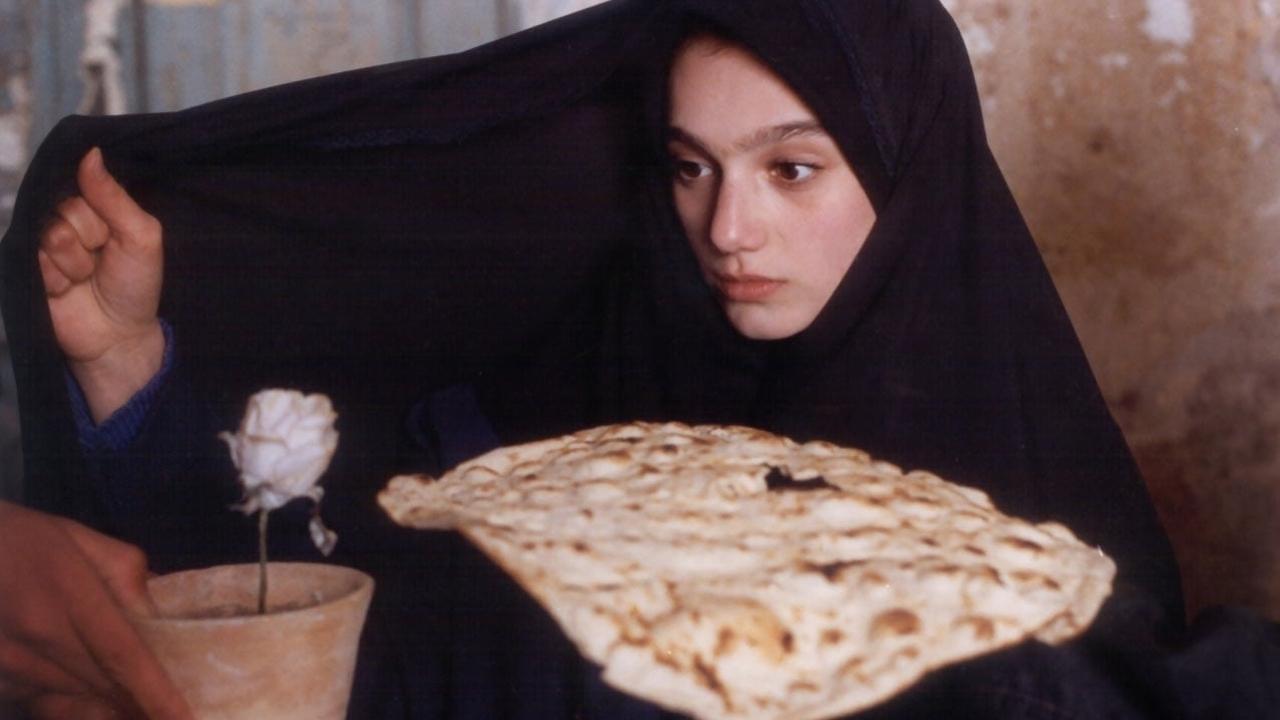
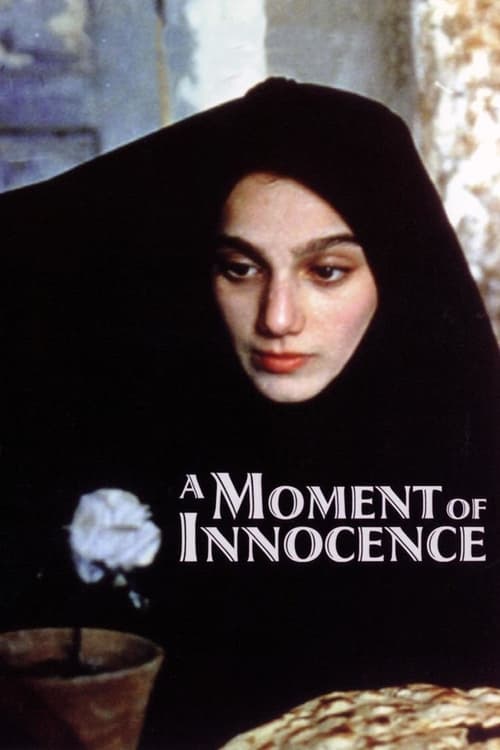
A semi-autobiographical account of an incident in Makhmalbaf's life when, as a 17-year-old, he stabbed a policeman at a protest rally. Two decades later, he tracks down the policeman he injured in an attempt to make amends.
Trailers & Videos 2
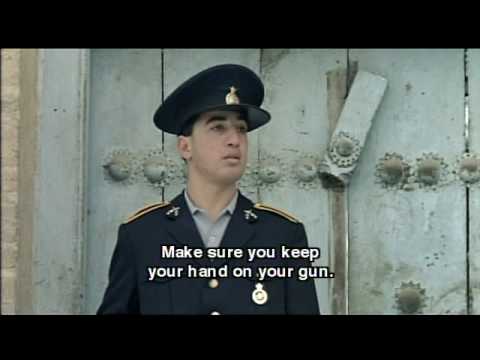
Scene from "A Moment of Innocence"
Trailer for "A Moment of Innocence"
Cast

Ratings & Reviews
No community reviews yet. Be the first to share your thoughts!
TMDB Reviews
8 years ago
Though Mohsen Makhmalbaf eventually established a reputation as one of Iran's foremost filmmakers from the late 1980s, his early life was tumultuous: when he was 17, he stabbed a police officer at a protest against the Shah's regime and spent the next four years in prison, only being released after the Shah's overthrow. His 1996 film NUN VA GULDOON ("Bread and Flowerpot", released in the English-speaking world as "A Moment of Innocence") looks back at this episode from his youth, attempting to jointly evoke both the red-hot passion against political injustice of a young man and his older, wiser understanding that such clumsy violence was hardly a productive way to solve the world's problems.
The result is intricately constructed as a film-within-a-film. As it opens, we see the now 40-year-old policeman (Mirhadi Tayebi) visiting Tehran to ask Makhmalbaf for a part in one of his films to make up for the stabbing two decades before. Makhmalbaf, playing himself, decides to make a film loosely based on the stabbing. He chooses a young man (Ali Bakhsi) to play his younger self, and he then asks the policeman to choose an actor as the young version of himself. The policeman, who has a thuggish look and is bitter about never being offered parts in films besides villain ones, chooses a handsome guy to represent himself, but he is then overruled by the filmmaker who chooses a much more boyish-looking and vulnerable young man (Ammar Tafti), emphasizing just how young both Makhmalbaf and the policemen were at the time. This layer of NUN VA GULDOON broadly pokes fun at what Makhmalbaf's life had become after his rise to fame in Iran, having to endlessly deal with ordinary people who fancied themselves actors and were desperate to appear on screen. Much of this part of the film was shot concurrently with his effort SALAAM CINEMA, which is entirely about the film casting process.
Makhmalbaf and the policemen begin coaching the actors playing their younger selves and we see t...