Padmaavat
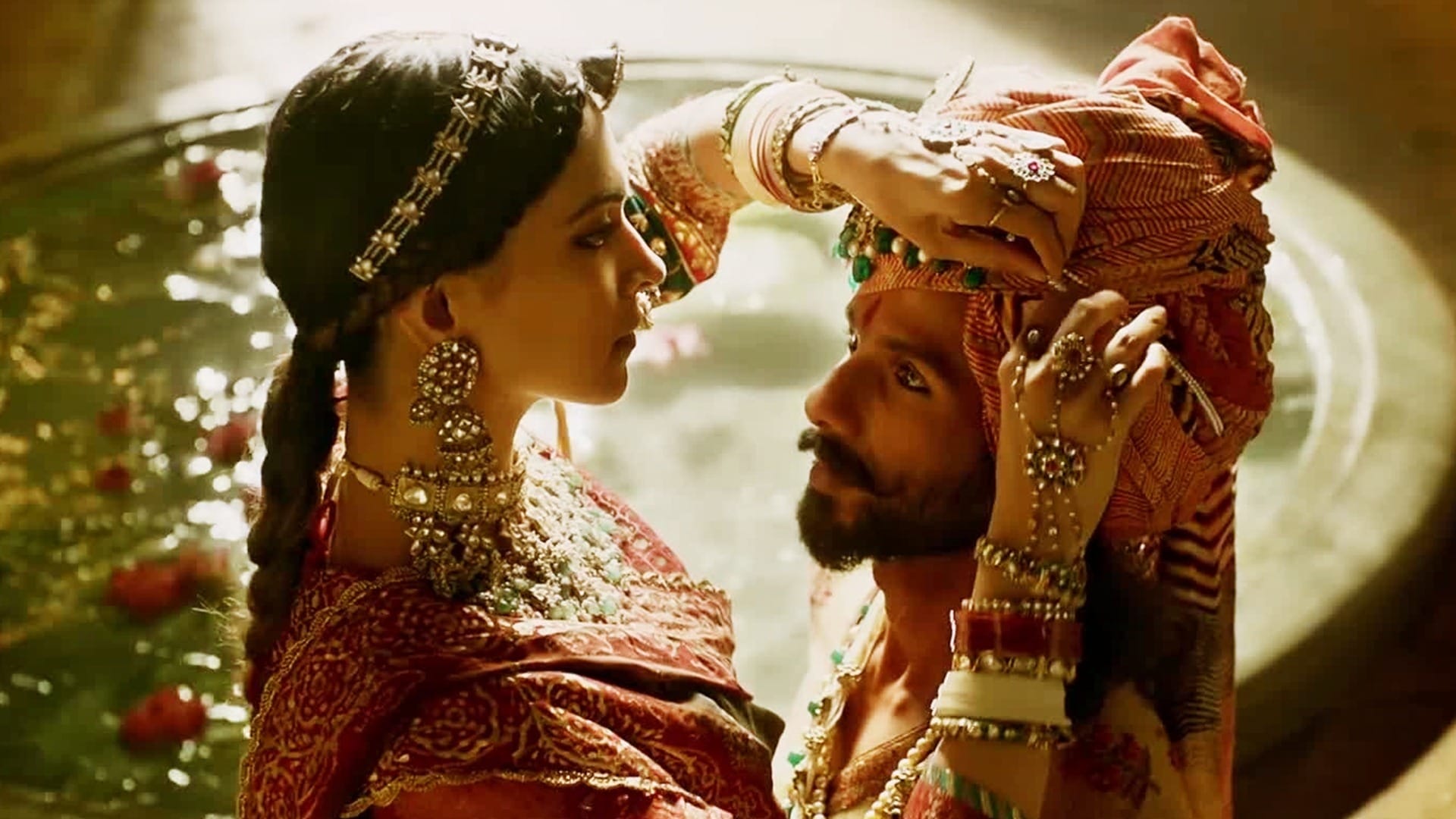
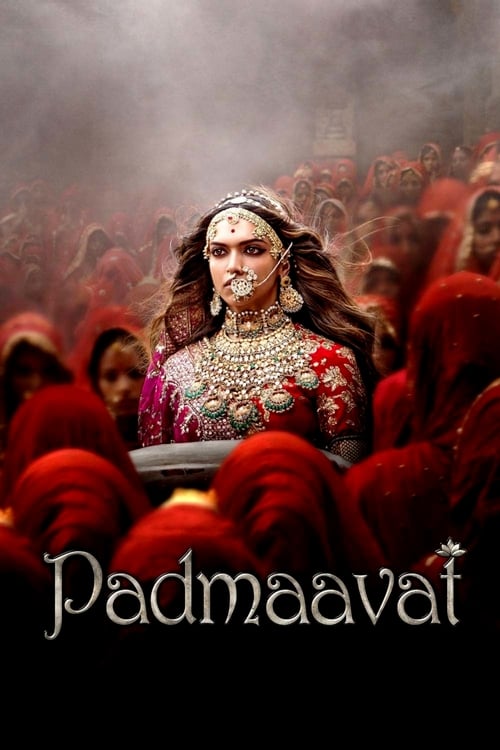
Rajputana, India, 13th century. The tyrannical usurper Alauddin Khilji, sultan of Delhi, becomes obsessed with Queen Padmavati, wife of King Ratan Singh of Mewar, and goes to great lengths to satisfy his greed for her.
Trailers & Videos 6

Trailer

Padmaavat | In Cinemas This Thursday | Ranveer Sin...

Padmaavat | Dialogue Promo | Ranveer Singh | Deepi...

Padmaavat | Scene 5 | The Friendly Move | Deepika...

Padmaavat | Scene 4 | Deepika Padukone | Ranveer S...

Padmaavat: Khalibali - Ranveer Singh | Deepika Pad...
Cast

Deepika Padukone
Queen Padmavati

Shahid Kapoor
Maharaja Ratan Singh

Ranveer Singh
Sultan Alauddin Khil...

Jim Sarbh
Malik Kafur

Aayam Mehta
Raghav Chetan

Ujjwal Chopra
Gora Singh

Raza Murad
Sultan Jalaluddin Kh...

Aditi Rao Hydari
Mehrunissa

Anupriya Goenka
Nagmati

Padmavati Rao
Kunwar Baisa

Ashwin Dhar
Ulugh Khan
Veena Mehta
Suraj Baisa
Ratings & Reviews
No community reviews yet. Be the first to share your thoughts!
TMDB Reviews
7 years ago
Amazing movie and great story line

CinemaSerf
TMDB3 weeks ago
The dashing king of Chittor (Shahid Kapoor) has come to visit his friend the King of Sinhala when he finds himself on the wrong end of an arrow during the hunt. That came from the host's daughter "Padmavati" (Deepike Padukone) who fancies she has something of the Demeter to her. "Ratan Singh" survives unscathed; falls hook, line and sinker and before leaving offers her a place in his kingdom as his new queen (despite already having one). Life at their court is uneventful until she catches a priest watching them. "Chetan" (Aayam Mehta) had hitherto been a close confident of the king, but now banished he flees to the court of the Sultan "Alauddin" (Ranveer Singh) who has only recently indulged in some regicide to assume the throne and marry the daughter of the previous incumbent. "Chetan" has something of the Rasputin to him, is a shrewd individual and not only does he manage to save his own life but he suggests that the new Sultan attack the impenetrable fortress of Chittor so he can capture the enigmatic and beautiful "Padmavati". His first attack proves woefully inadequate, and a sort of truce ensues, but with the sly "Alauddin" being prompted from all sides to complete his mission, what chance the lovers can survive his persistent onslaughts? Now I watched this without having much of a clue as to the underlying history, or religious sub-texts, but on face value it seems to be a simple story of good versus evil, akin to something you might have been read at night by Shéhérezade. There is a degree of traditional mysticism woven into the plot and the production design is stylish and almost epic in nature as the stories of love, revenge and betrayal unfold. Politically, I suspect this probably was quite controversial not least because the conclusion includes elements of the practice of sati to it that don't travel well inside India let alone elsewhere, but for inexpert eyes seeking a piece of grand-scale entertainment with some combat scenes that wouldn't have looked...