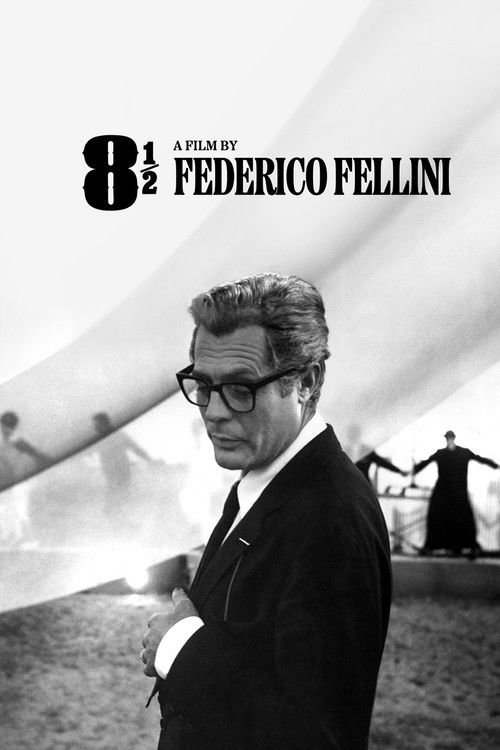
8½
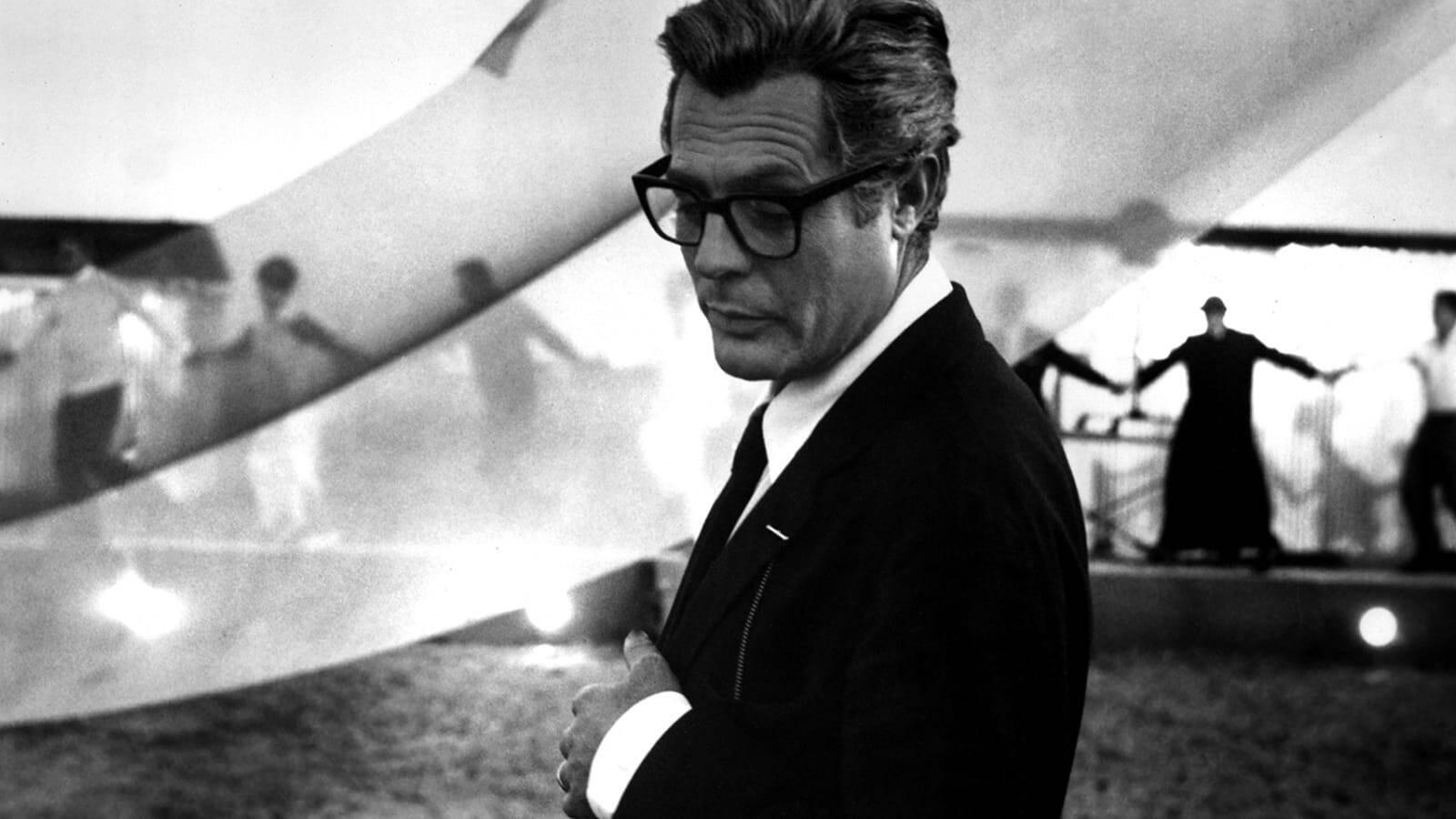
Guido Anselmi, a film director, finds himself creatively barren at the peak of his career. Urged by his doctors to rest, Anselmi heads for a luxurious resort, but a sorry group gathers—his producer, staff, actors, wife, mistress, and relatives—each one begging him to get on with the show. In retreat from their dependency, he fantasizes about past women and dreams of his childhood.
Trailers & Videos 6
![35mm Trailer [Subtitled]](https://img.youtube.com/vi/yruJBocWfn4/hqdefault.jpg)
35mm Trailer [Subtitled]
Federico Fellini - 8 1/2 (New Trailer) - In UK cin...
8 and a Half Trailer HD
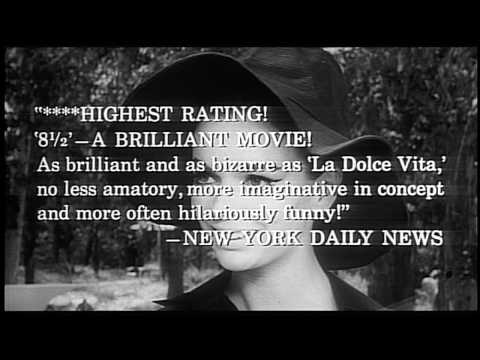
8 1/2 Trailer (1963) - The Criterion Collection
Mark Kermode reviews 8½ (1963) | BFI Player
Marcello Mastroianni’s guide to being cool | BFI
Cast
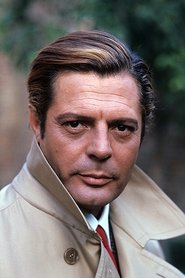
Marcello Mastroianni
Guido Anselmi
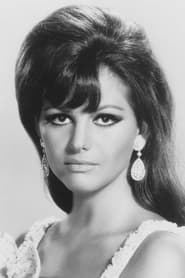
Claudia Cardinale
Claudia

Anouk Aimée
Luisa Anselmi
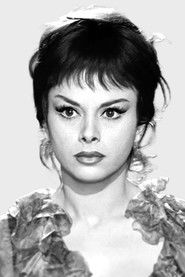
Sandra Milo
Carla

Rossella Falk
Rossella

Barbara Steele
Gloria Morin
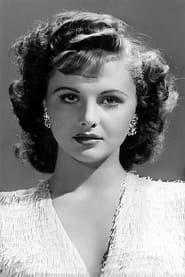
Madeleine Lebeau
Madeleine, the Frenc...
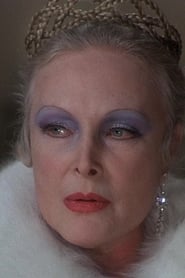
Caterina Boratto
Mysterious Lady
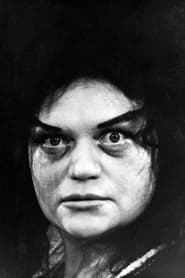
Eddra Gale
La Saraghina
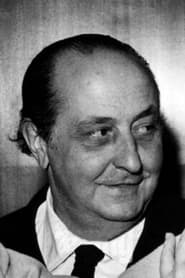
Guido Alberti
Pace, the Producer
Mario Conocchia
Conocchia, the Produ...
Bruno Agostini
Bruno, the Second Pr...
Ratings & Reviews
No community reviews yet. Be the first to share your thoughts!
TMDB Reviews
11 years ago
Widely touted as one of the all-time great works of cinema, Federico Fellini’s 8½ is an elusive film about even more elusive things. It’s a meaningfully chaotic picture about trying to distil meaning from chaos and it’s a creative success about creative failure. It chronicles the resonant moments in one man’s life and admits that it can’t quite clarify why they matter. Doing justice to its early working title of The Beautiful Confusion, 8½ is a daring high wire act and an outstanding technical achievement that channels its story of artistic crisis into something sweepingly, uniquely profound.
Working again under Fellini’s direction after his winning performance in La Dolce Vita, Marcello Mastroianni plays Guido, a creatively blocked director feeling constantly distracted from the development of his latest semi-autobiographical work. Between avoiding his mistress (Sandra Milo) and disappointing his wife (Anouk Aimée), Guido spends time reflecting on his past, searching for answers and escaping into fantasies. The narrative seamlessly weaves in and out of Guido’s dreams and memories, to the point that it becomes impossible to distinguish real from imagined. The actress named Claudia, tellingly played by the legendary Claudia Cardinale, seems especially intangible, generally appearing only fleetingly in Guido’s visions playing the woman in his film that Guido intends to be a symbol of purity, innocence and redemption. The story, in a sense, is a mess but a brilliantly orchestrated mess that skilfully highlights the mysteries and confusions of life and the human psyche. Characters suddenly enter the narrative then leave before you’ve even noticed they’re gone because the film is confined within the periphery of Guido’s life. What these supporting players actually do isn’t as important as the impressions that they make. They’re all just additions to the fabric of the filmmaker’s mind.
This perception of the world is completely in tune with the engrossingly complex...

Filipe Manuel Neto
TMDB2 years ago
Fellini, deconstructed, improvised and enshrined in a film that (not) pleases everyone.
I'm not a fan or deep connoisseur of Italian cinema, but I've heard of Federico Fellini, and I know that this film is considered one of this director's best films. I haven't seen any of his films yet: this was the first. And honestly, I don't quite understand this fascination: the film is chaotic! I think that, unless someone is an expert in cinema, the vast majority of people who saw the film did not understand it, but then said that it was very good just to avoid being criticized. I'm glad I don't give a damn what other people think of me...
Fellini was out of great ideas, and the production started working without even having an idea of what the director was going to do. Not even he knew! He was about to give up when the light came: to make a somewhat autobiographical film about a filmmaker in crisis, who had to make a film due to studio commitments, but didn't know what film he wanted to make. Let's face it: it was an excellent idea, even if it resulted in a film that is too complicated and disjointed. Over the course of more than two hours, we see scenes and situations in which the director reflected a lot about himself in the main character: the complicated issues with a restrictive and judgmental Catholic faith, strong moral conflicts, a rebellious childhood, the omnipresence of impactful female figures (the mother, the wife, the objects of desire)… everything is composed as a delirium of a filmmaker empty of ideas. For the time, this was quite innovative, but looking closely today, it doesn't make much sense and is more tiring than interesting.
Technically, the film is excellent. The soundtrack, by Nino Rota, is quite atmospheric; the cinematography, with the framing, the differences in shot and sharpness, is an authentic lesson taught by a master. The choice of filming locations and sets is careful. Marcello Mastroianni and Claudia Cardinale are the most not...

CinemaSerf
TMDB2 years ago
Acclaimed director "Guido" (Marcello Mastroianni) is looking for a peaceable life after his last successful movie, but at every turn he is being pursued by people who want to capitalise on the success. He just hasn't the inspiration though - and determined not to just churn out any old rubbish, retreats to a small town for some rest, recuperation and hopefully inspiration. He in also rather reaping what he sowed as his wife "Luisa" (Anouk Aimée) and her rival "Claudia" (Claudia Cardinale) are vying for his increasingly frayed attentions and that makes any chance of concentration almost impossible. What happens now? Actually that's not so important to the thrust of the plot. What's a little more engaging here is a sort of hybrid illustrating the foibles of those creatives desperate for and addicted to the whole process of making a film as well as all of them demonstrating just how difficult it can be to actually produce a feature film. The narrative is also quite confusing at times with chronologies blurring and timelines being adapted as if on a whim - and those whims aren't always immediately clear to us who watch on bemusedly. There's something natural about the characterisations too. The venal, the aspirational, the lovelorn, the lovestruck - and the director who is genuinely swimming through a series of doldrums from which he cannot readily escape. The intensity never really lets up - indeed every time you see Guido Alberti - his long-suffering producer "Pace" you almost want to weep for a "Guido" under the sort of relentless pressure usually reserved for the father of a family of two hundred dependents. Mastroianni juggles the balls required for this part skilfully and by the mid point of this 2¼ cinema curiosity I felt a degree of his physical and emotional exhaustion visited on me, too! Nino Rota could always be relied upon provide a solid score - and here he reflects the mood of the story and it's personalities with an eclectic series of themes that range fr...