Trailers & Videos 1
Kuttrame Thandanai Official Trailer | Vidharth, Po...
Cast








Ratings & Reviews
No community reviews yet. Be the first to share your thoughts!
TMDB Reviews
10 years ago
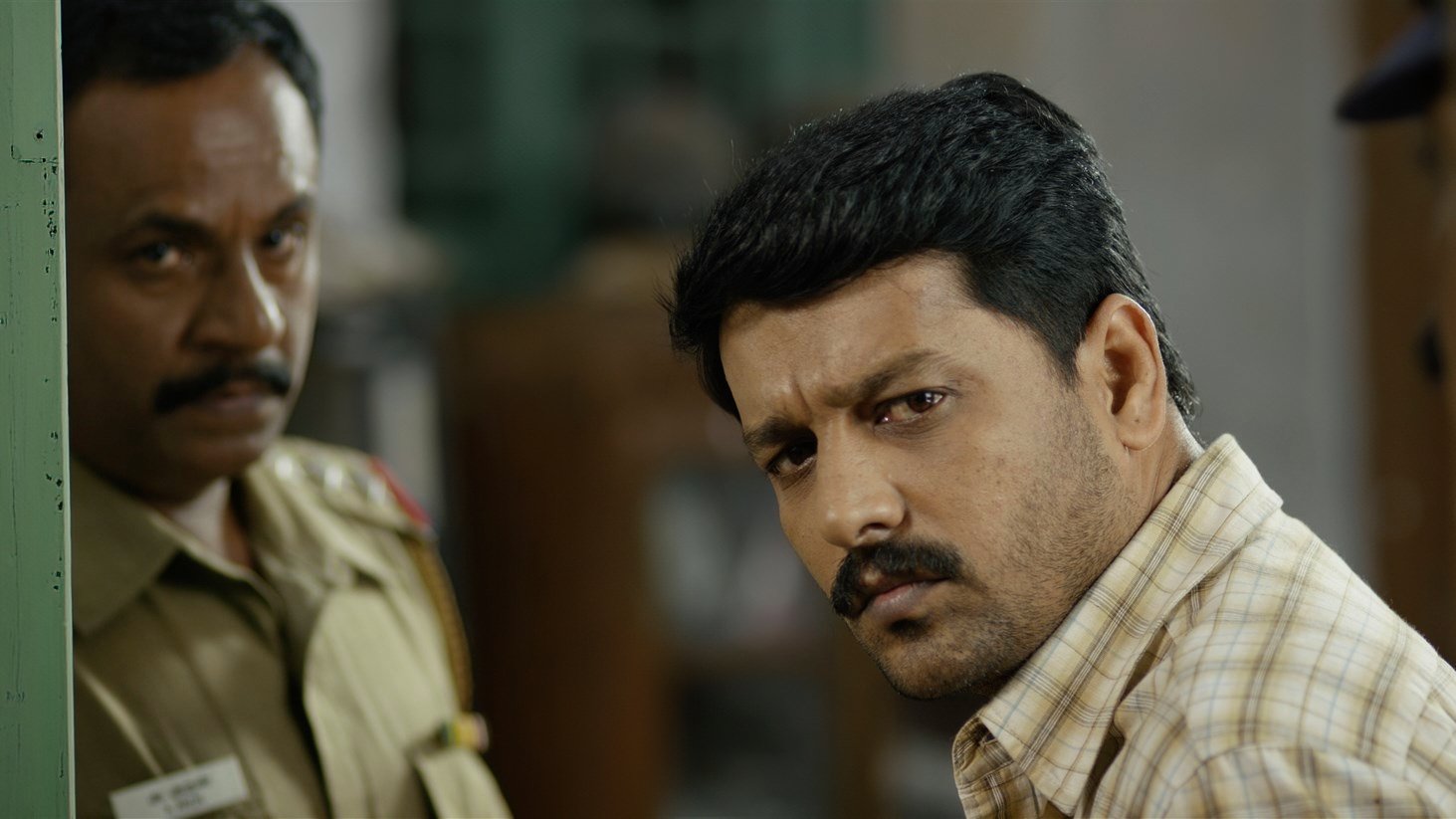
Kutrame Thandanai, the second film from Kaaka Muttai director M Manikandan, is a solid low-key thriller that is also an understated morality play. The film begins like something out of Alfred Hitchcock's Rear Window. We are introduced to Ravi (Vitharth), a credit card debt collector. He lives in a run-down flat that provides him a view of the goings-on in the houses of his neighbours. And Swetha (Aishwarya Rajesh, a lingering presence despite her limited screen time), an attractive girl who has a fair share of male visitors, is of particular interest to Ravi.
Meanwhile, we are told that Ravi has a unique eye impairment — tunnel vision; he cannot see objects in the periphery (the film keeps presenting shots from his point of view to reinforce this idea). He is told that he will need to go for eye transplantation, which would cost Rs 3.2 lakh.
One evening, Ravi notices Arun, a young man, leaving in an agitated state from Swetha's house. Later that night, he finds Vijayaprakash (Rahman), a middle-aged businessman, in her place, who shows him the dead body of the girl, and promises him money in exchange for his silence. The offer is a Godsend for the young man who thinks he can use the money to get his vision back. Where do his choices take him?
For a film that deals with crime(s) and its subsequent punishment(s), Kutrame Thandanai, refreshingly never gets heavy-handed. "Edhu thevaiyo adhu dhaan dharmam" says Nasser's character to Ravi midway into the film, and that is as close to sermonising this film comes. Otherwise, the film unfolds as a series of events that are presented in a matter-of-fact manner for us to witness and form our own conclusions. While Manikandan's filmmaking is restrained, curiously, it is Ilaiyaraaja's unusually insistent score, which keeps underscoring every key moment in a dramatic fashion, that feels tonally off, though the immersive sound design makes up for it.
And just as it avoids being preachy, the film doesn't judge its charac...