Cast




Ratings & Reviews
No community reviews yet. Be the first to share your thoughts!
TMDB Reviews
10 years ago
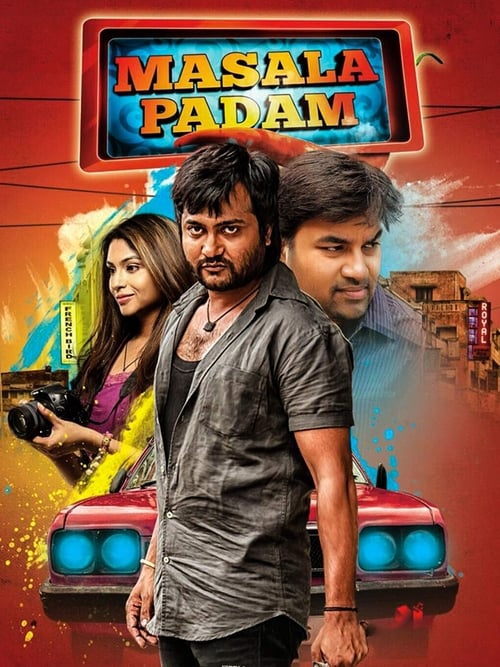
In the titles of Masala Padam, director Laxman Kumar (the cinematographer of films like Vennila Kabadi Kuzhu and the Thillu Mullu remake) shows us clips from the Lumiere Brother's famous Arrival Of The Train to those from Tamil cinema's superstars like MK Thyagaraja Bhagavathar, MG, Sivaji Ganesan, Rajinikanth and Kamal Haasan, to tell us a bit of the history of cinema. The film begins with a newly released masala film being trolled by social media reviewers. One of them is hit by a car and believes that it was a hit organised by the film's producer. The producer denies the allegation and challenges them on TV to come up with a script in six months. They decide to follow the lives of three men — Mani (Shiva, who generates the laughs with his usual deadpan style), a middle-class sales guy, Krish (Gaurav, adequate), a rich orphan and Amudhan (Simhaa, one-note), a gangster — and ask their friend Diya, a travelogue writer, to flirt with all three of them. Will their plan work out?
True to its name, Masala Padam is a potpourri of many genres — there is comedy, action, romance, drama. And it contains nods to numerous films down the years, by way of shots and plot lines. The most obvious one is the producer challenging critics, like Raghuvaran in Mudhalvan, to make a script that sells. Then, there is the Maan Karate-like initial set-up about a group of self-centred youngsters using a person for their personal gain. We even have Bobby Simhaa playing a fearsome gangster as he did in Jigarthanda.
But the film it feels the closest to in spirit is Kathai Thiraikathai Vasanam Iyakkam (KTVI), which was also about people who are racing against time to develop a script. As in that film, the screenplay tries to ride on its quirkiness. But unlike that underrated film, this is not essentially a commentary on the workings of the Tamil film industry, but rather a look at the movie-going audience today. It talks about the elite audiences and critics who keep comparing "our films" t...