The Bad and the Beautiful
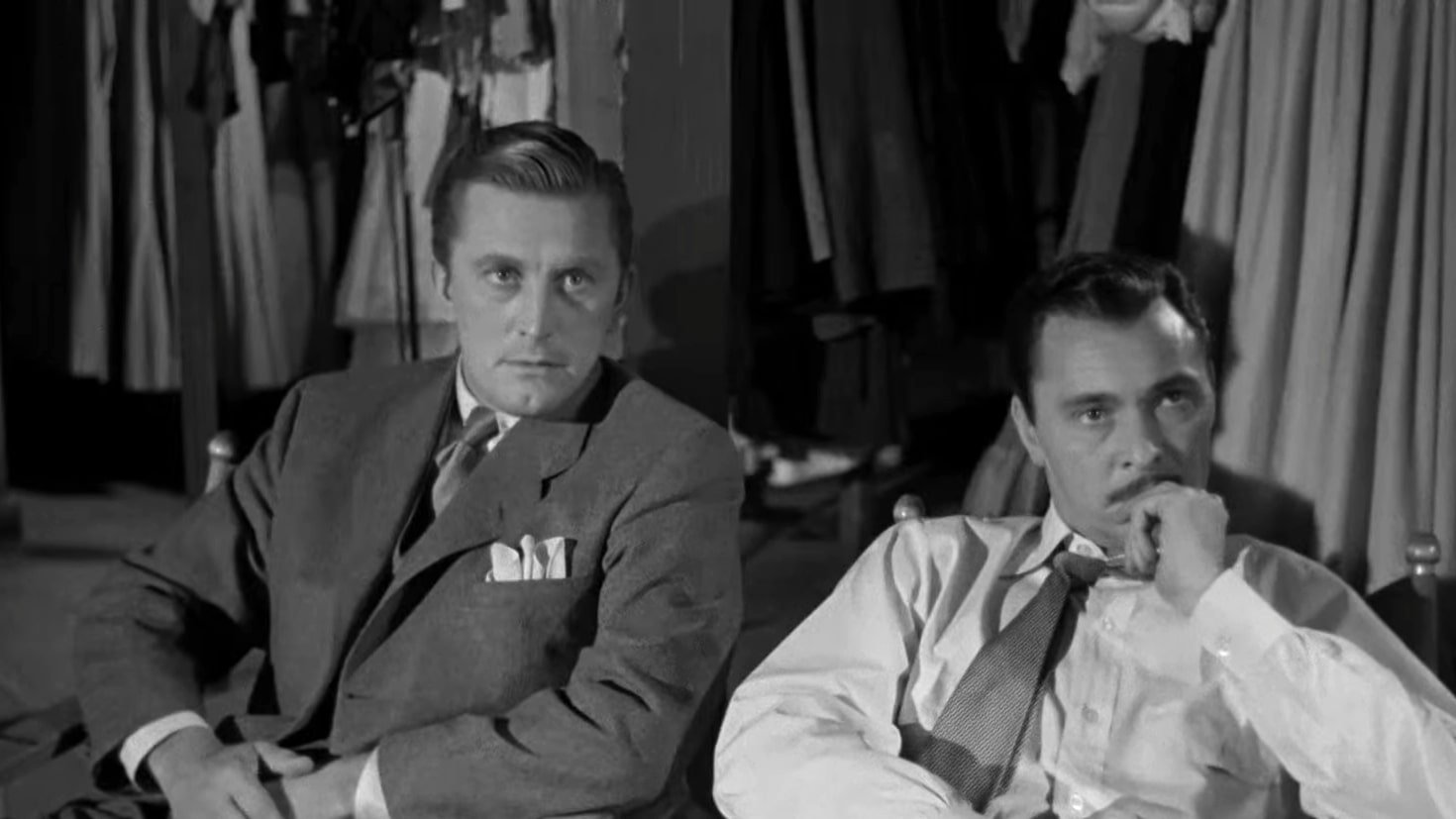
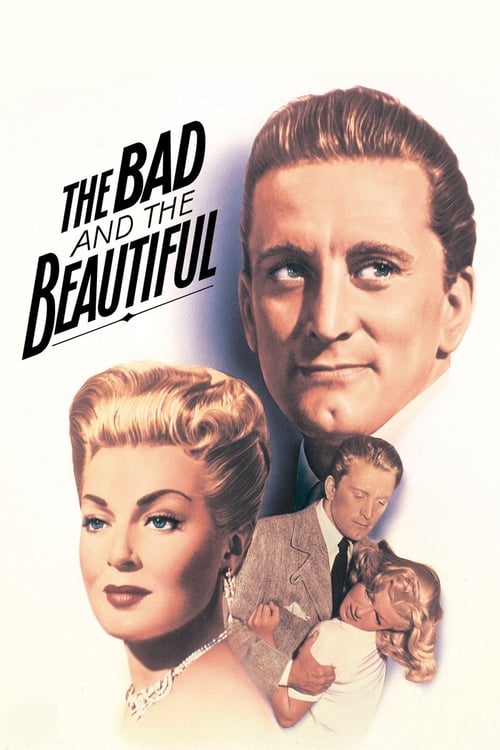
Told in flashback form, the film traces the rise and fall of a tough, ambitious Hollywood producer, Jonathan Shields, as seen through the eyes of various acquaintances, including a writer, James Lee Bartlow; a star, Georgia Lorrison; and a director, Fred Amiel. He is a hard-driving, ambitious man who ruthlessly uses everyone on the way to becoming one of Hollywood's top movie makers.
Trailers & Videos 3
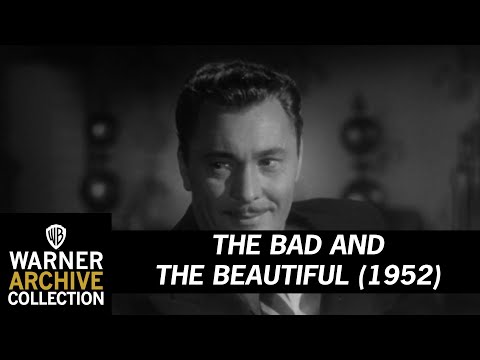
Trailer HD | The Bad and The Beautiful | Warner Ar...
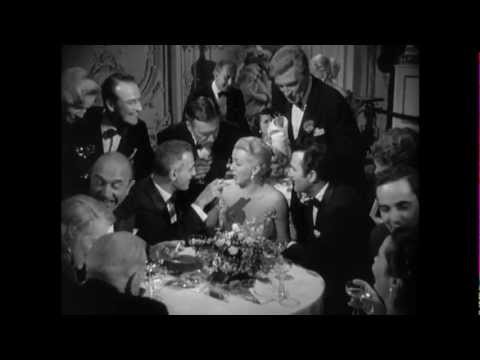
The Bad and the Beautiful (1952) - trailer
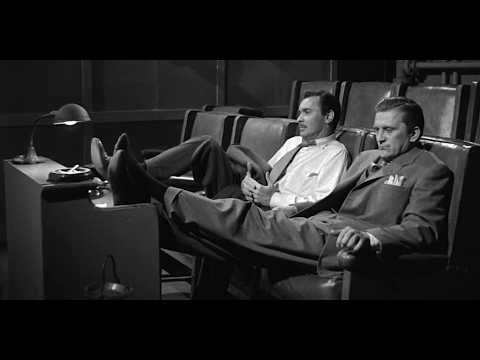
Bernard Rose on THE BAD AND THE BEAUTIFUL
Cast
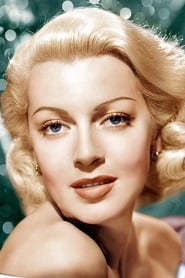
Lana Turner
Georgia Lorrison

Kirk Douglas
Jonathan Shields
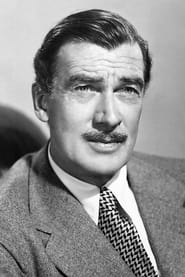
Walter Pidgeon
Harry Pebbel
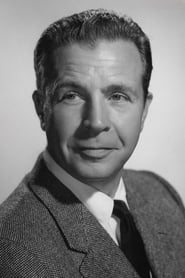
Dick Powell
James Lee Bartlow
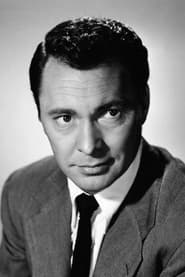
Barry Sullivan
Fred Amiel
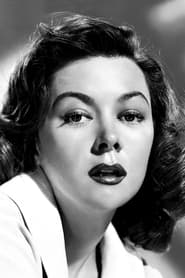
Gloria Grahame
Rosemary Bartlow
Leo G. Carroll
Henry Whitfield
Gilbert Roland
Victor "Gaucho" Ribe...
Paul Stewart
Syd Murphy
Vanessa Brown
Kay Amiel
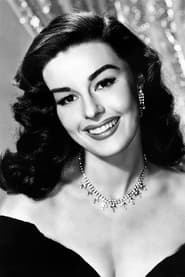
Elaine Stewart
Lila
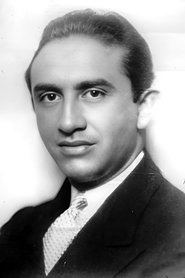
Sammy White
Gus
Ratings & Reviews
No community reviews yet. Be the first to share your thoughts!
TMDB Reviews
4 years ago
The Bad and the Beautiful is sort of like Old Hollywood’s Rashomon. Three characters appear before a fourth to tell a story about a fifth; the three stories are different but interrelated, and the moral of each is the same: studio chief Jonathan Shields (Kirk Douglas) is a major a--hole and to know him is to hate him.
Each tale is bookended by film producer Harry Pebbel (Walter Pidgeon) sarcastically condoling with the teller, pitying them for their blindness to the fact that Shields was a blessing in disguise. Without him, movie star Georgia Lorrison (Lana Turner) was "a drunk and a tramp playing bit parts, and he made a star of you ... For the last seven years, you've been in the top 10 in every popularity poll. Yes, Jonathan sure fouled you up."
Screenwriter-turned-novelist James Lee Bartlow (Dick Powell) is told "Jonathan sure destroyed you. You came out of it with nothing. Nothing but a Pulitzer Prize novel and the highest salary of any writer in Hollywood."
As for director Fred Amiel (Barry Sullivan), "[Shields] brushed you off his coattail, so you had to stand alone. And all you've got in the world is a wife, six kids, two Academy Awards and every stu-dio in town after you. Why, Jonathan ruined you!".
In all three cases, however, especially the third, it would seem as if the complainer got to where they are now despite, rather than because of, Shields.
Georgia and Bartlow he does help reach the summits of their respective trades — though it is worth noting that both were satisfied with their lots in life and had no interest in climbing to such heights in the first place —, which of course didn’t give him the right to crap all over their personal lives. And Amiel he screwed over on a profes-sional basis; used him and then kicked him to the curb.
As it turns out, Pebbel’s intended irony is only half-true; Shields did foul Georgia up, destroyed Bartlow, and ruined Amiel one way or another. That they pulled themselves up by their boots traps and...

CinemaSerf
TMDB3 years ago
It all starts with poor old Walter Pidgeon ("Harry") assembling "Georgia" (Lana Turner), "Fred" (Barry Sullivan) and "Bartlow" (Dick Powell) in his office so he can persuade then to write, direct and star in one last picture for their nemesis "Jonathan Shields" (Kirk Douglas). They loathe him - with a passion, and "Harry" knows he has his work cut out if he is convince them. His preferred method is to remind each of them, whilst introducing us to their characters and stories, of how they alighted on the visionary, enigmatic and profoundly selfish "Shields", and of how his selfishness and determination helped each of them to achieve success. Vincente Minnelli has assembled a strong cast to deliver really well on Charles Schnee's screenplay. The flashbacks deliver just about everything from betrayal, duplicity, passion - pretty much the whole gamut of human emotions and frailties as we gradually build a picture of a man about whom nothing is simple - and about whom it is possible to admire and detest in equal measure. By reminding them of just how they got to where they are now, "Harry" - who was put through the wringer a bit too by his boss - hopes to convince them to step up for one last hurrah! Can he? Should he? Should they? There is a really strong supporting cast here - including an effective Gilbert Roland ("Gaucho") and the briefest of appearances from Gloria Grahame as ("Rosemary"). Douglas is on super form - he conveys the ambitiousness and odiousness of the producer character effortlessly and at the same time gives us quite a vision of just how transitory and cut-throat Hollywood was. Turner, likewise, is on super form as the gal who will do what ever it takes to succeed - within reason - then when she starts to wear the real fur coats, then... What helps this stand out is the writing - it has a plausibility to it. You can readily imagine these scenarios being true (albeit gilded, somewhat) and it makes for two hours of cinema that simply flies by. Big scre...