Trailers & Videos 3
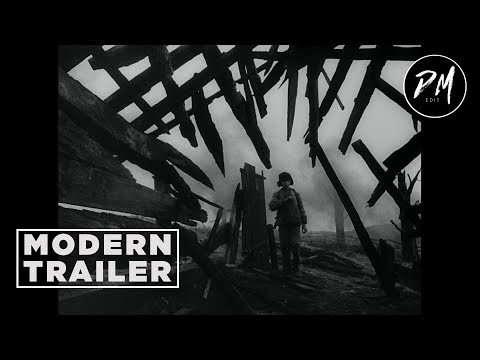
Ivan's Childhood (Modern Trailer)
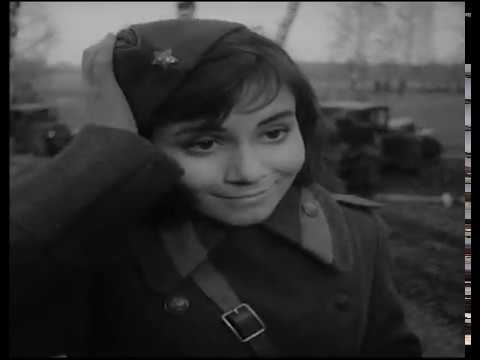
Ivan's Childhood Trailer
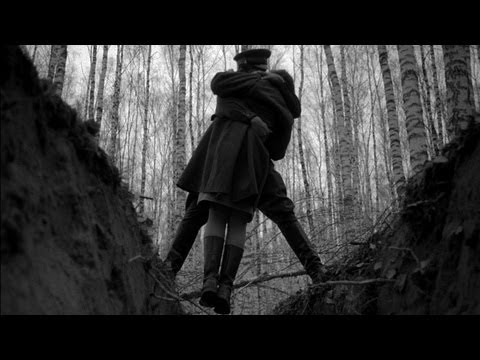
Ivan's Childhood - The Kiss
Cast



Ratings & Reviews
No community reviews yet. Be the first to share your thoughts!
TMDB Reviews
8 years ago
Ivan’s Childhood, released in 1962, was Soviet director's Andrei Tarkovsky first feature film. An adaptation of a short story by Vladimir Bogomolov set in World War II, its protagonist is a 12-year-old orphan (Nikolai Burlyaev) on the Eastern Front whose small size allows him to scout German positions undetected. Ivan's missions have been useful to the army, but officers Lt. Col. Gryaznov (Nikolai Grinko), Capt. Kholin (Valentin Zubkov) and Lt. Galtsev (Evgeny Zharikov) would like very much to send him to a military academy to get him away from the front, especially as the final offensive against the Germans is imminent.
The action in the film plays out between two of Ivan's ventures across the river Dniepr into German-held territory. It depicts the difficult life of the soldiers at the front and the destruction that war brought to the Soviet village whose damaged buildings now host the army. Ivan's back story is revealed elliptically through comments among the soldiers, dream sequences or flashbacks. A subplot involves Kholin's disturbing attempts to seduce Nurse Masha (Valentina Malyavina) and, in stark contrast to earlier Soviet treatments of the war, suggest that in wartime one's own fellow soldiers can just as dangerous as the enemy.
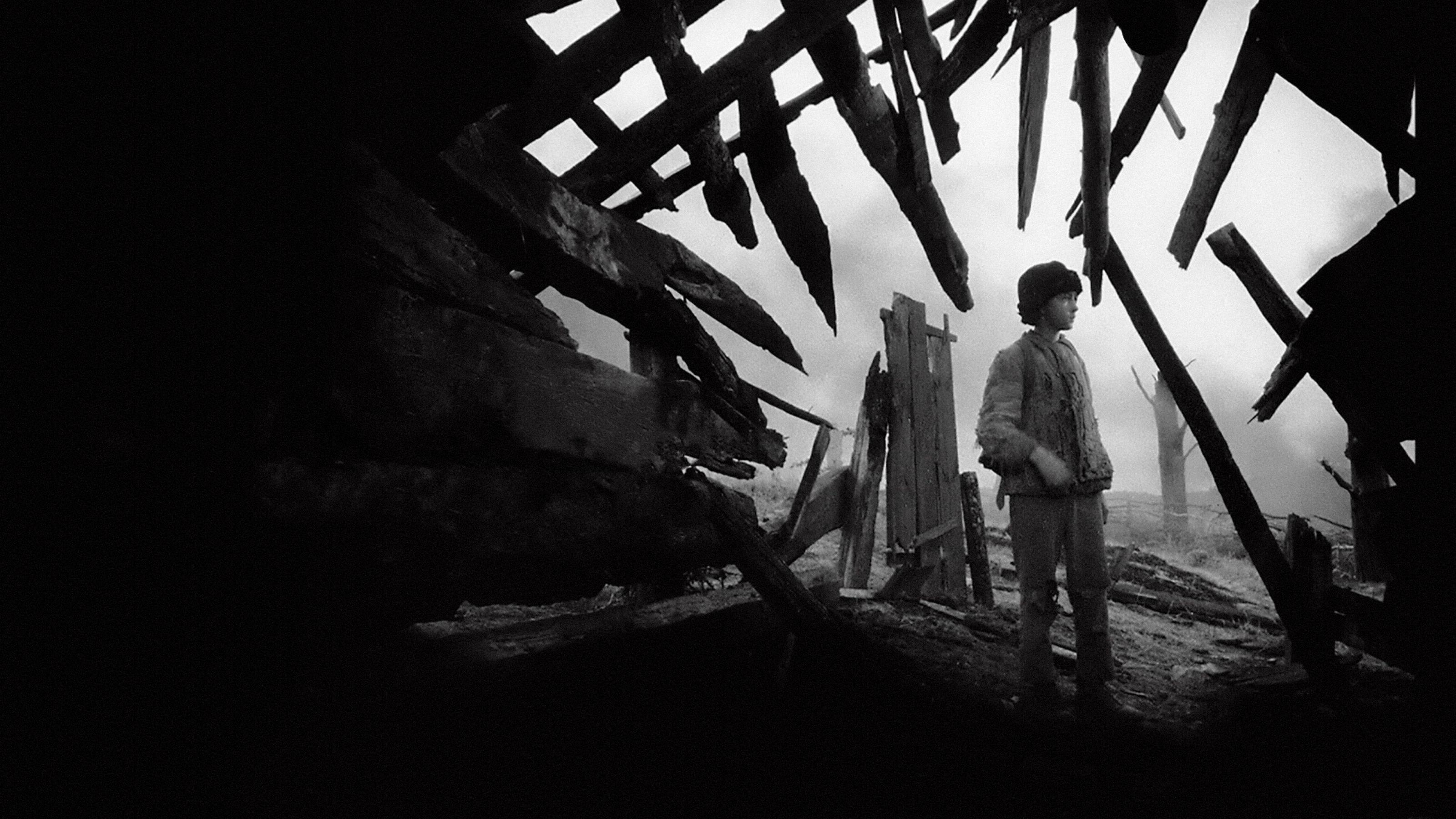
As far as Tarkovsky films go, Ivan’s Childhood is still an immature work. You'll find nothing of the slow, almost ritualistic pacing that marks his later films, and this comes in at a compact 90 minutes. Still, a few shots (tracking shots of a wall, Ivan flipping through a book of religious art) seem like mature Tarkovsky in embryo, and the prominent use of religious iconography (crosses, fresco) is already here. Vadim Yusov's cinematography is memorable, with its several "layers" of view in certain shots, and the prominent framing of shots with broken timber beams that seem to hinder the characters. I was however very disappointed that at the end, the film segues into basically a Soviet anti-German propaga...
2 months ago
Summary: 10/10: A masterpiece of visual poetry and historical witness that invented the aesthetic grammar Tarkovsky would refine for the rest of his career, and an uncompromising portrait of childhood destroyed by fascist violence that has lost none of its power to devastate.
Ivan's Childhood is a dreamy film about a brutal subject. The twelve-year-old Ivan, orphaned and consumed by rage, works as a scout for the Soviet army during World War II. His father was killed at the front; his mother and sister were murdered at Maly Trostenets concentration camp. "Were you in Trostenets?... in the death camp?... You've got no idea!" Ivan yells at one point, his fury barely contained in that small, emaciated body. This is not generic wartime trauma; Tarkovsky grounds Ivan's obsession with vengeance in a specific historical atrocity, one that has remained largely forgotten outside the former Soviet Union despite being the largest Nazi extermination site on Soviet territory.
What makes Ivan's Childhood a masterpiece is the tension between its subject and its treatment. Tarkovsky, working with cinematographer Vadim Yusov, wanted the film to look as if legendary cameraman Sergei Urusevsky had shot it, and nearly every scene is handled in a manner out of the ordinary, suggesting heightened consciousness of style, point of view, framing, and fluid camera. The result is pure poetry: slow, protracted shots over earth and water; light filtering through birch forests; dream sequences that shimmer with the childhood Ivan has lost and can only access now through sleep. Andrei Tarkovsky's debut feature film invented a visual language so distinctive, so hypnotic, that it would define the rest of his career and influence generations of filmmakers who followed.
The film moves between Ivan's waking nightmare, the mud, the reconnaissance missions, the adult soldiers who want to protect him but cannot, and his dreams of a world where mothers lower buckets into wells, where butterflies...