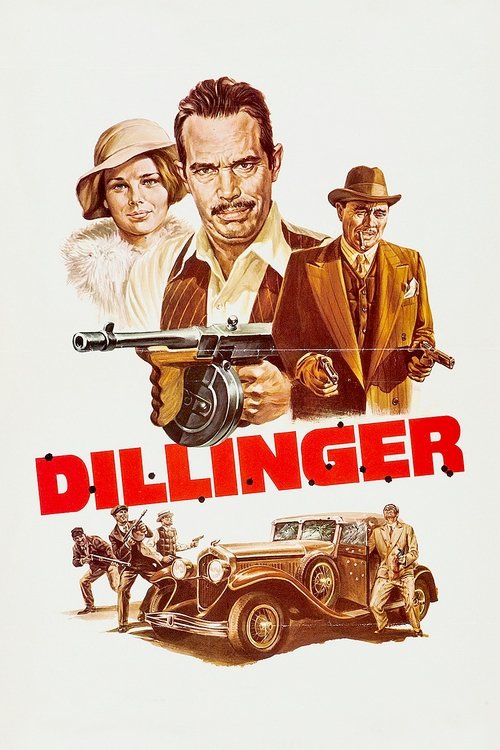
Dillinger
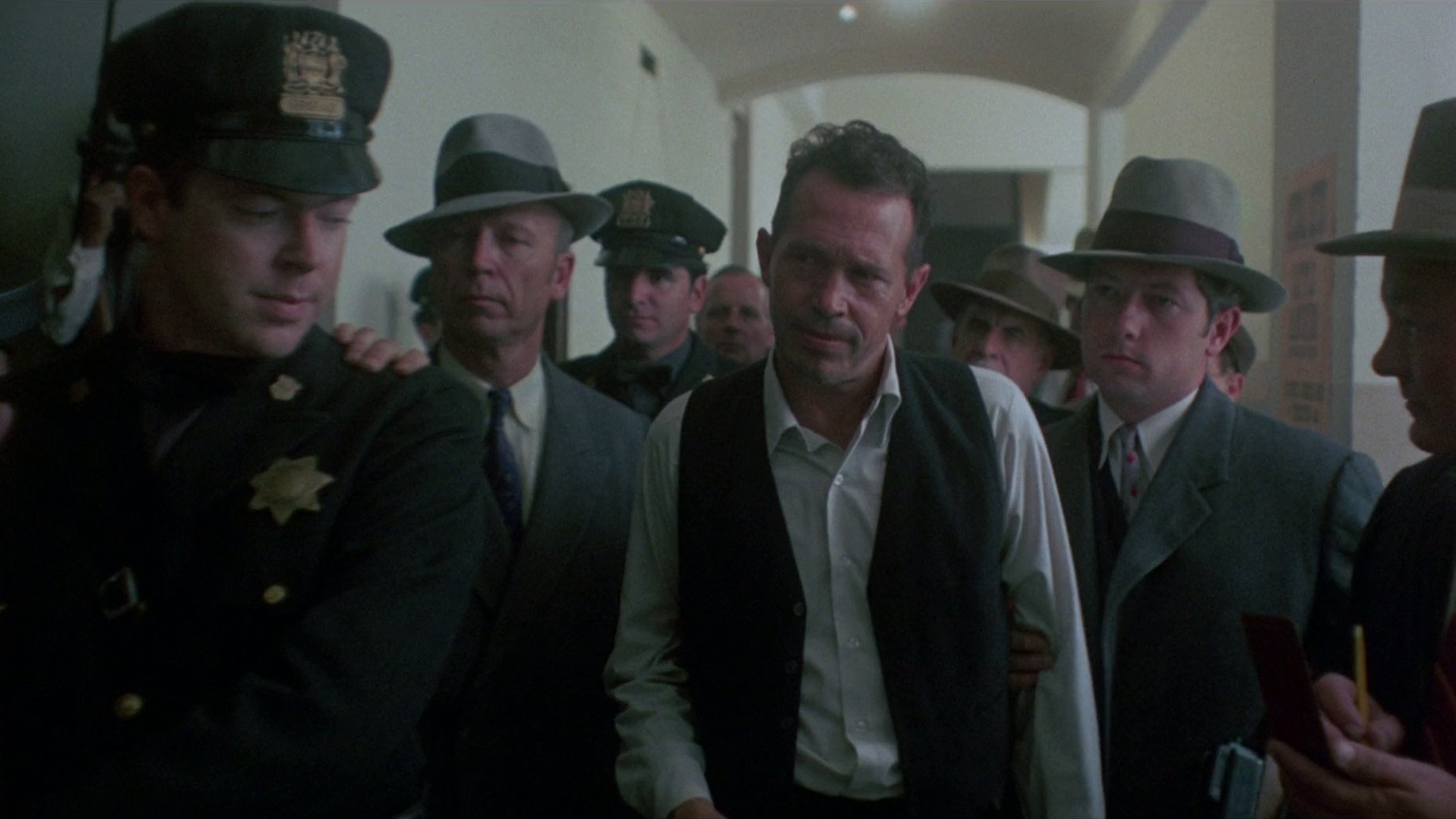
After a shoot-out kills five FBI agents in Kansas City the Bureau target John Dillinger as one of the men to hunt down. Waiting for him to break Federal law they sort out several other mobsters, while Dillinger's bank robbing exploits make him something of a folk hero. Escaping from jail he finds Pretty Boy Floyd and Baby Face Nelson have joined the gang and pretty soon he is Public Enemy Number One. Now the G-men really are after him.
Trailers & Videos 6
Official Trailer
Breaking Out Of Jail
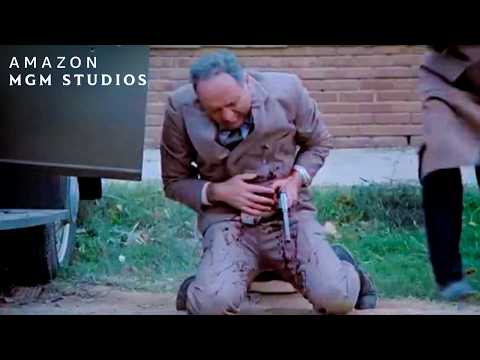
Bank Robbery Gone Wrong
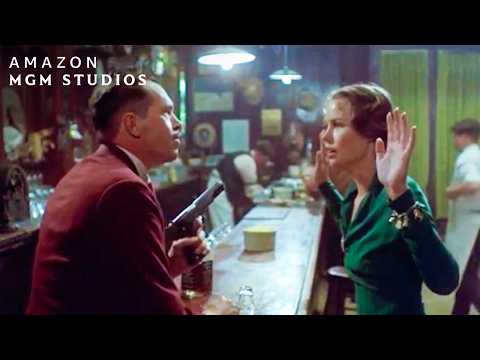
Dillinger Robs A Bar
Heidi Honeycutt on DILLINGER
The Arrow Video Story
Cast
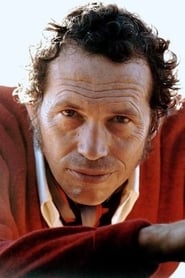
Warren Oates
John Dillinger
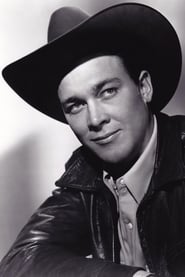
Ben Johnson
Melvin Purvis

Michelle Phillips
Billie Frechette
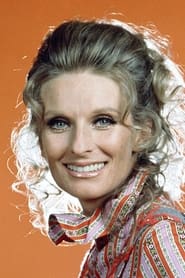
Cloris Leachman
Anna Sage
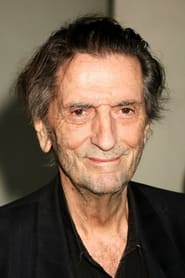
Harry Dean Stanton
Homer Van Meter
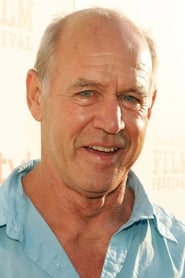
Geoffrey Lewis
Harry Pierpont
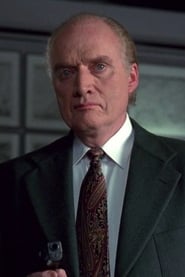
John P. Ryan
Charles Mackley
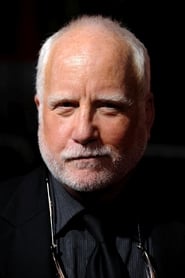
Richard Dreyfuss
Baby Face Nelson
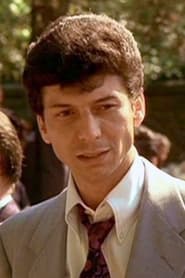
John Martino
Eddie Martin

Roy Jenson
Samuel Cowley
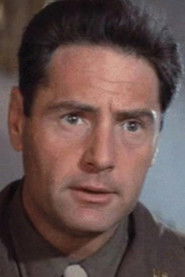
Read Morgan
Big Jim Wollard

Frank McRae
Reed Youngblood
Ratings & Reviews
No community reviews yet. Be the first to share your thoughts!
TMDB Reviews
3 years ago
Warren Oates walks like bank robber John Dillinger, he talks like Dillinger, he shoots like Dillinger, and he is one of the best things about "Dillinger." John Milius wrote and directed this 1973 action packed biopic about the infamous bank robber. It acknowledges Arthur Penn's "Bonnie and Clyde" a couple of times, but Milius' script is not as good as the eye-wow he shows us. The story may be familiar, it has been told on dozens of true crime documentaries. John Dillinger and his gang terrorized the Midwest with violent bank robberies. He was captured in Arizona, brought back to Indiana, and escaped from jail using a bar of soap carved into the shape of a gun and blackened with shoe polish. Hot on his trail was the FBI's Melvin Purvis (Ben Johnson), who made it his own personal vendetta to kill all of these criminals, smoking cigars over their dead bodies. The gang have their own loving bad girls to hunker down with, and Dillinger had prostitute Billie (Michelle Phillips). Dillinger was killed outside the Biograph Theater in Chicago while seen with the infamous lady in red, Anna Sage (Cloris Leachman).
While "Bonnie and Clyde" was a historic entry in the crime film genre, I thought the film makers in that situation glorified the duo a little too often. "Dillinger" does the opposite, making the bank robber as mean as we imagine he was. Milius' efforts to portray Dillinger as a villain backfire, since we see him in the couple of years before his death, never finding out how he got in to crime in the first place. His family is briefly shown, but nothing comes from the scene. Milius throws us into Dillinger's exploits immediately, but without any background, there is not sympathy, empathy, and eventually interest involved with the man. The beginning of the film is an exercise in choppy editing and stiff scenes until we get to the actions sequences. It makes me wonder what was left on the cutting room floor.
Ben Johnson plays a great Melvin Purvis, a wonderful char...