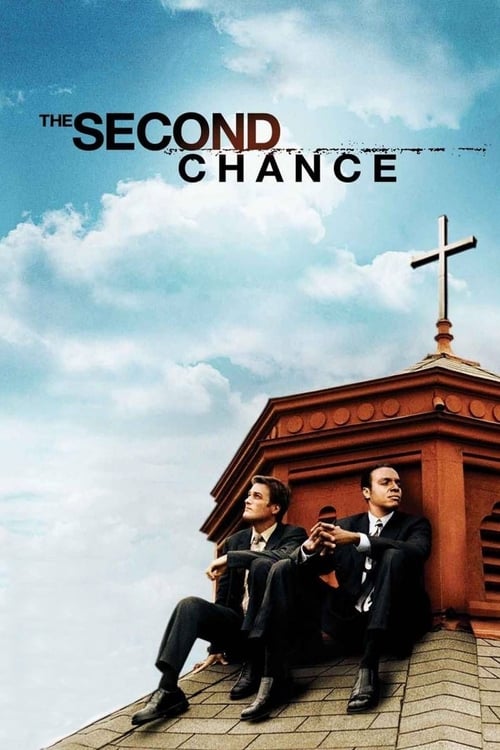
The Second Chance
Ethan Jenkins and Jake Sanders are both passionate pastors who worship the same God from the same book--but that's where the similarity ends. When they are suddenly thrown together in a tough neighborhood and forced to work side by side, Ethan discovers there is no boundary between the streets and the sanctuary.
Cast




Ratings & Reviews
No community reviews yet. Be the first to share your thoughts!
TMDB Reviews

1 year ago
A tale of two very different assemblies in the heart of America
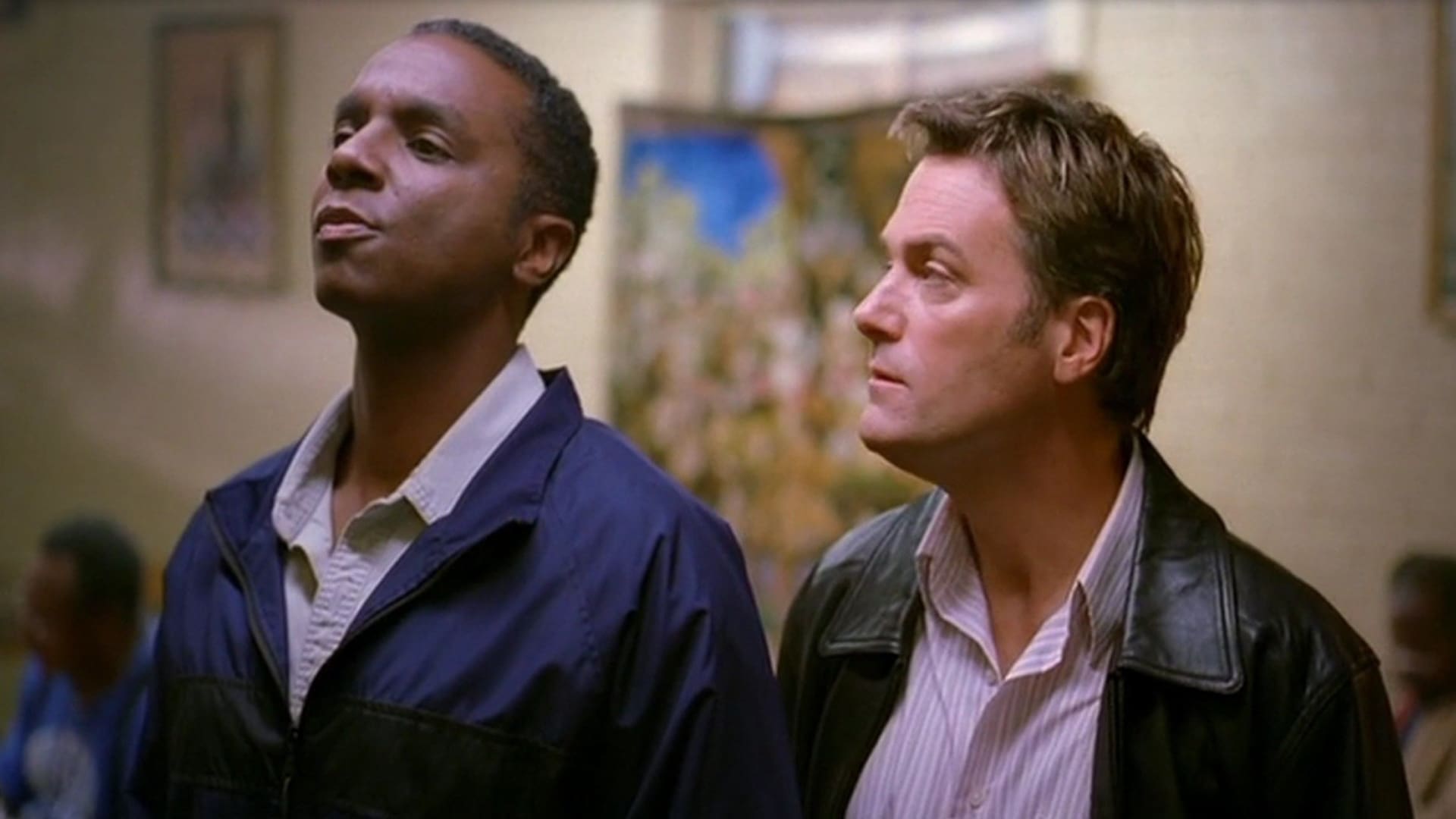
The associate pastor of a megachurch outside Nashville (Michael W. Smith) is given the temporary assignment of helping out his dad’s original assembly in the inner city, pastored by a “loose cannon” (Jeff Obafemi Carr).
“The Second Chance” (2006) was helmed by Steve Taylor, known for his good run in the 80s in the Christian rock market and songs like “I Want to Be a Clone,” which satirized mindsets or practices that irked him.
It’s in the mold of films like “Grand Canyon” and “Levity,” which try to balance the reverence and beauty of life with the profane, foolish and ugly. Yet those movies had way more money to work with and so could afford grade ‘A’ actors in the cast. While “Grand Canyon” is far superior to this, this is about on par with “Levity,” just with slightly more overt spirituality. The future “Do You Believe?” is similar, but all-around better.
It starts with potential and is quite good through the first half, but then sort of fizzles out in the second. The script needed rewritten for a more compelling last act. Nevertheless, there’s a lot of worthwhile bits, like the conundrum of walking in love when, at certain times, you might want to kick someone’s butt.
Yet there are some bothersome aspects, such as the idea that the plight of minorities in the inner city is more important than people living in the more affluent suburbs. The location doesn’t change the fact that people are people and have to deal with the same core issues of life in a fallen world, along with the struggle with one’s own flesh, aka sinful nature. Also, Caucasians aren’t to blame for the problems in the black community. Those of African descent need to look after their own and manage their own affairs, not to mention appreciate any assistance by “whitey” and not begrudge it.
At the same time, the black pastor’s frustration and angst are understandable in light of problems well documented in “Do th...