Kids Return
Shinji and Masaru spend most of their school days harassing fellow classmates and playing pranks. They drop out and Shinji becomes a small-time boxer, while Masaru joins up with a local yakuza gang. However, the world is a tough place.
Trailers & Videos 2
![Kids Return (1996) Original Trailer [FHD]](https://img.youtube.com/vi/2KKHObkkZFk/hqdefault.jpg)
Kids Return (1996) Original Trailer [FHD]
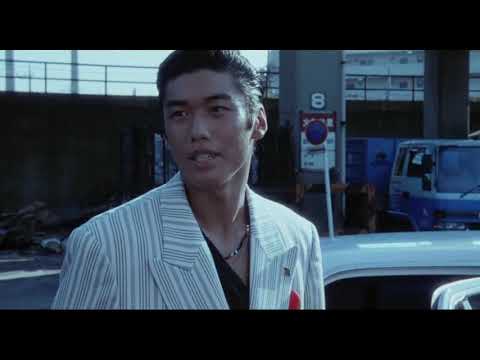
Kids Return | 1996 Trailer - Ken Kaneko, Masanobu...
Cast

Masanobu Ando
Shinji

Ken Kaneko
Masaru

Leo Morimoto
Homeroom Teacher

Hatsuo Yamaya
Boxing Club Manager

Mitsuko Oka
Sachiko's Mother

Yuko Daike
Sachiko

Ryo Ishibashi
Local Yakuza Chief
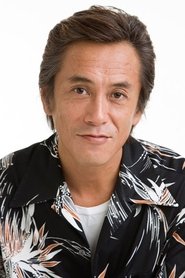
Susumu Terajima
No. 2 in Local Gang

Moro Morooka
Hayashi
Michisuke Kashiwaya
Hiroshi
Atsuki Ueda
Reiko
Koichi Shigehisa
Trainer
Ratings & Reviews
No community reviews yet. Be the first to share your thoughts!
TMDB Reviews
3 weeks ago
Summary: 7/10: an unforced, wryly funny meditation on failure, and Kitano's most tender work, arguing that a life spent circling is not the same thing as a life wasted.
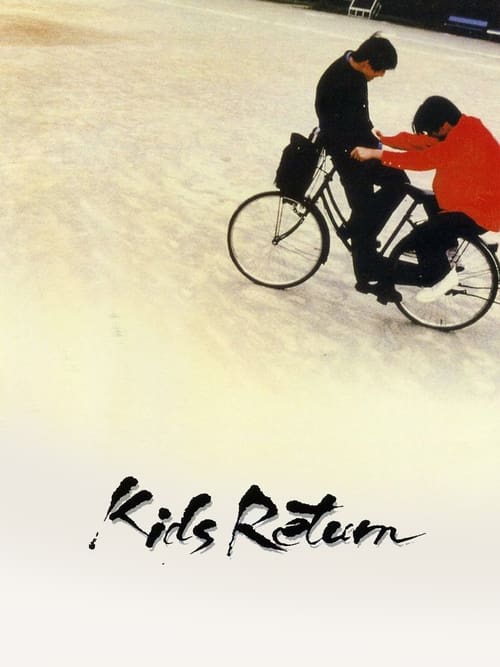
Two boys ride one bicycle in slow circles around an empty schoolyard. The film opens on that image and returns to it at the end, and everything between is an argument about whether failure is a destination, or merely weather.
Takeshi Kitano made this film after nearly, accidentally killing himself. In August 1994 he put a scooter into a barrier in Tokyo and spent months recovering. Kids Return was the first thing he directed once he could work. Knowing that, the title stops being a title and becomes a question the director is asking himself with a camera: what does it mean to begin again from a position of failure, and is beginning again the same thing as going backward?
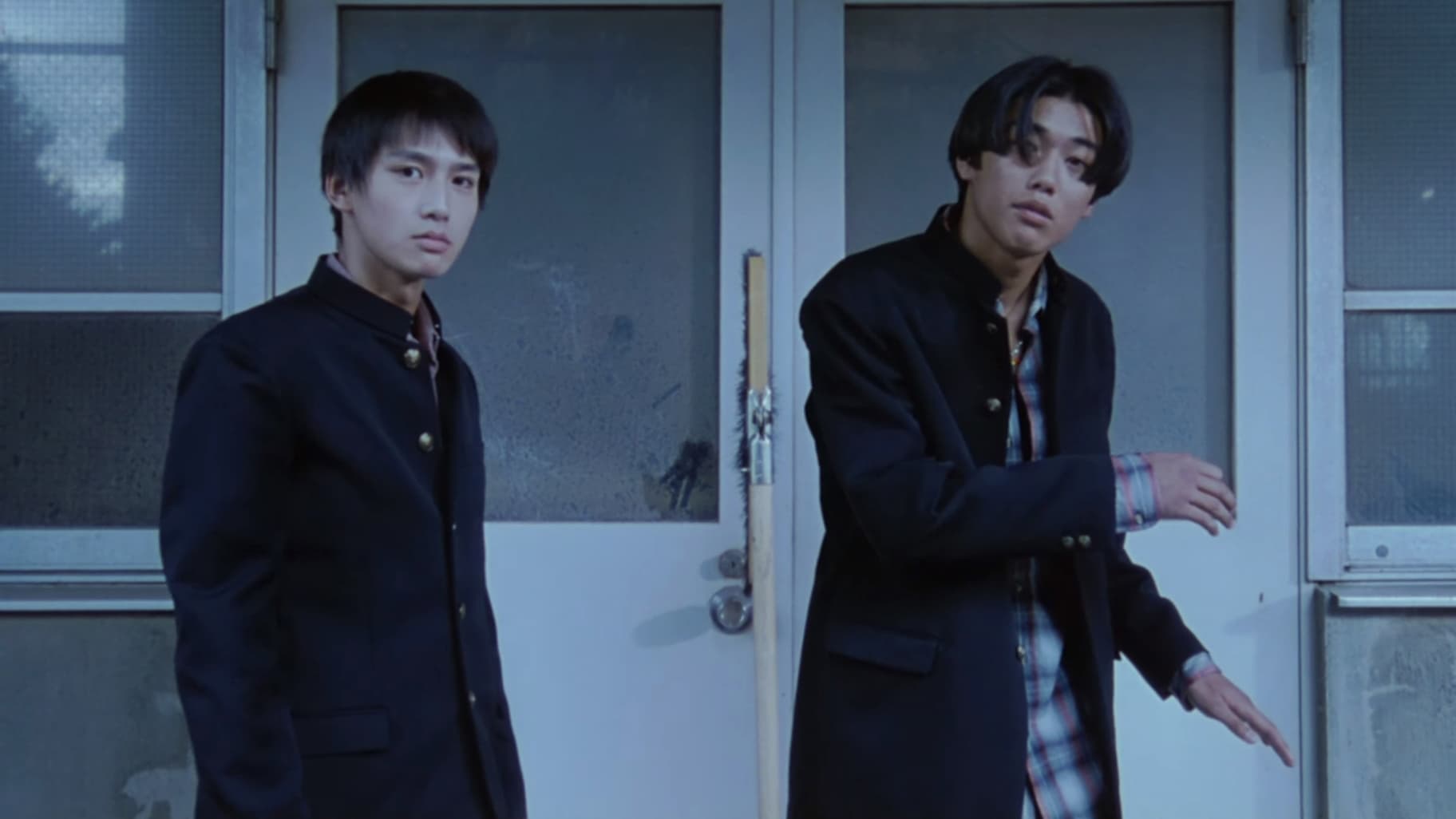
The two boys are the answer, split in half. Masaru (Ken Kaneko) is the bully, the ringleader, all swagger and no interior; Shinji (Masanobu Andô) is the follower, softer, more talented, and easier to break. Masaru discovers boxing, gets humiliated, and quits for the yakuza. Shinji stays in the gym and turns out to be good. Their trajectories cross like scissor blades, and Kitano tracks both without ever tipping his hand as to which choice was the wrong one, because neither was, and both were.
The performances are the reason it works. Kaneko and Andô play these two without a shred of movie-teenager varnish; they slouch, mumble, posture badly, laugh at nothing, and inhabit exactly the kind of stupid loyalty that binds sixteen-year-old boys who have nothing else. Andô in particular does something delicate, letting Shinji's confidence arrive and then curdle so gradually that you cannot name the scene where it turned.
And the comedy is not decoration. Kitano was a stand-up before he was anything, and the film keeps cutting away to a pair of aspiring manzai comedians who are, unmistakably, the young Kitano and his pa...