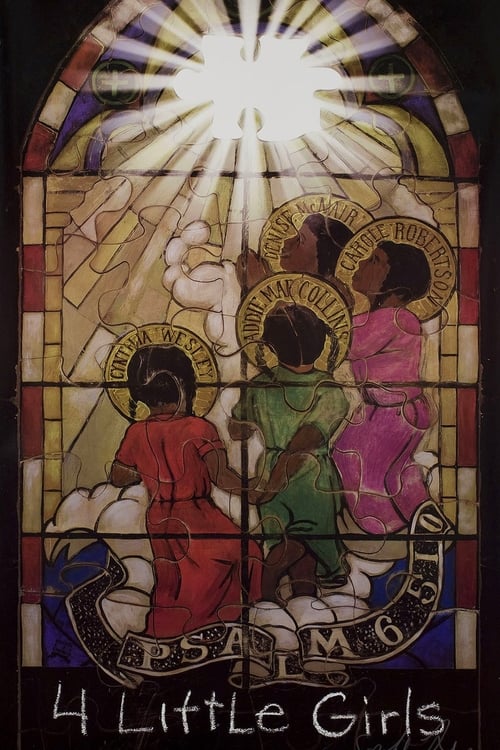
4 Little Girls
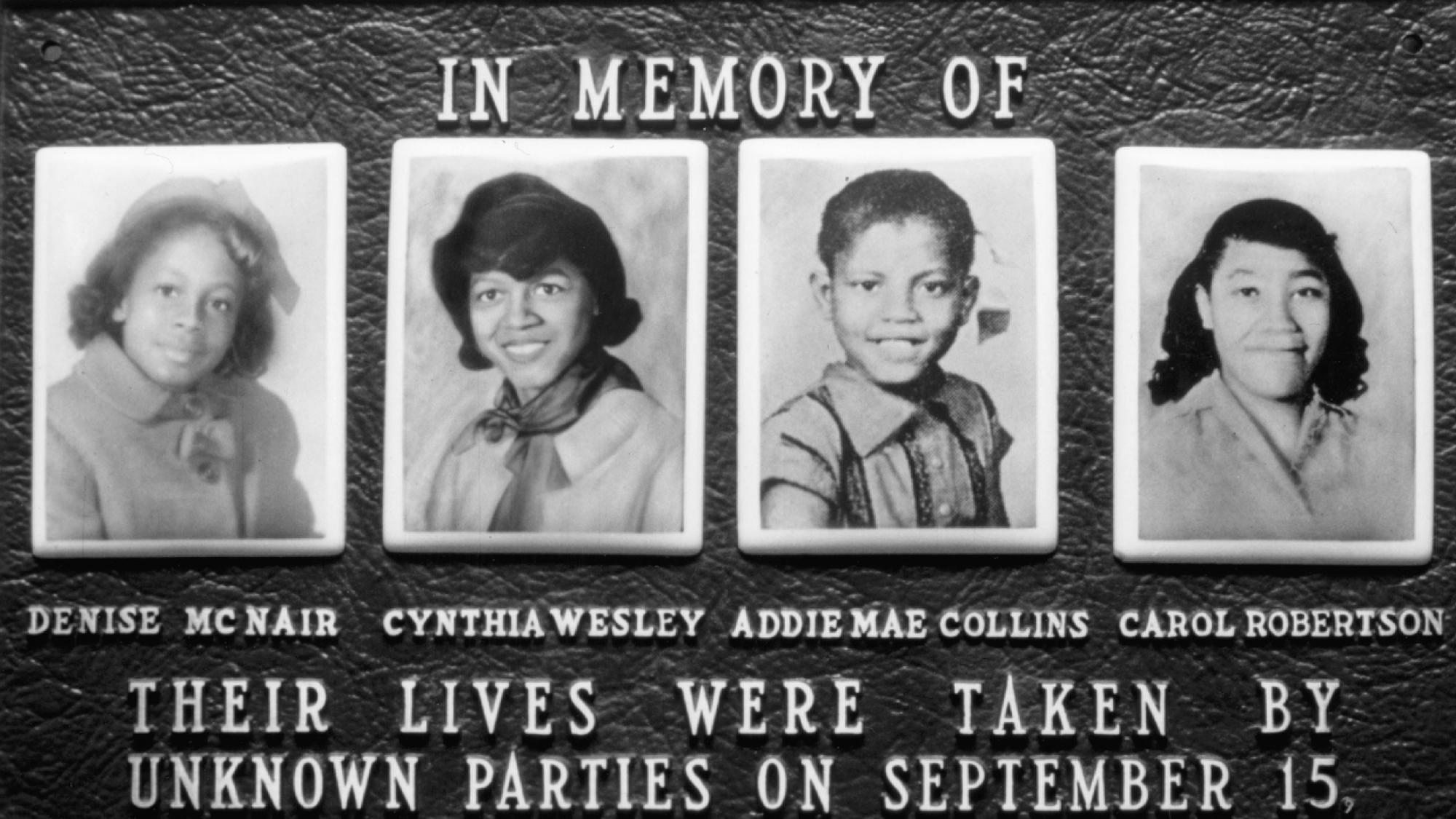
On September 15, 1963, a bomb destroyed a black church in Birmingham, Alabama, killing four young girls who were there for Sunday school. It was a crime that shocked the nation--and a defining moment in the history of the civil-rights movement. Spike Lee re-examines the full story of the bombing, including a revealing interview with former Alabama Governor George Wallace.
Trailers & Videos 1
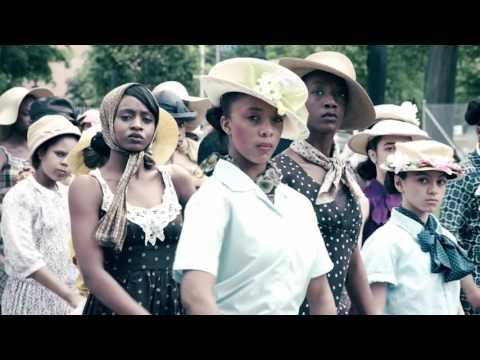
Four Little Girls Trailer HD
Cast

Maxine McNair
Self - Mother of Den...
Chris McNair
Self - Father of Den...
Helen Pegues
Self - Denise's Aunt
Queen Nunn
Self - Neighbor of D...
Arthur Hanes Jr.
Self - Defense Attor...
Howell Raines
Self - New York Time...
Harold McNair
Self - Denise's Uncl...
Carole C. Smitherman
Self - Denise's Chil...
Wamo Reed Robertson
Self - Carole's Aunt
Dianne Braddock
Self - Carole's Sist...
Carolyn Lee Brown
Self - Carole's Chil...
Alpha Robertson
Self - Mother of Car...
Ratings & Reviews
No community reviews yet. Be the first to share your thoughts!
TMDB Reviews

CinemaSerf
TMDB2 months ago
At the height of the racial tensions in Alabama in 1963, the entire American nation was shocked by a bomb exploding in a church that killed four young girls. What we now see for the next hundred minutes or so is a delicately but powerfully woven story that talks to, and reminisces with, family members of the victims whilst illustrating with a plentiful and powerful selection of archive just how generally toxic the atmosphere was in a state where segregation was rife and supported at the highest levels of it's democratically elected government. What's also quite striking about this documentary is that it makes much more of an effort than many of it's contemporaries to present a potent balance, with both live and retrospective contributions from some of the establishment individuals whose dyed-in-the-wool bigotries were actually now being challenged from sources that hitherto had been entirely faithful to the white supremacists - either passively or aggressively. The ultimate sacrifice these girls made may actually have had an unexpectedly immeasurable effect on turning the stomachs of millions of ordinary citizens whose disgust at the actions of the KKK here, and in the burnings of many other churches and chapels throughout the state, actually led to profound changes of opinion and policy in Kennedy's Washington D.C. that were enforced despite considerable local opposition. The conversations with the families is touching but it's also remarkably devoid of rancour. There is anger but surprisingly little bitterness as their periods of mourning and grief - always supported by their strong Christian faith - seem prepared to yield to progress for their entire race in a country where their second class status was both disenfranchising and humiliating. The lack of narration is also quite persuasive, allowing us to listen, to watch and to appreciate better the atrocities being routinely carried out against a population who were more than welcomed into the army during WWII, b...