Season of the Witch
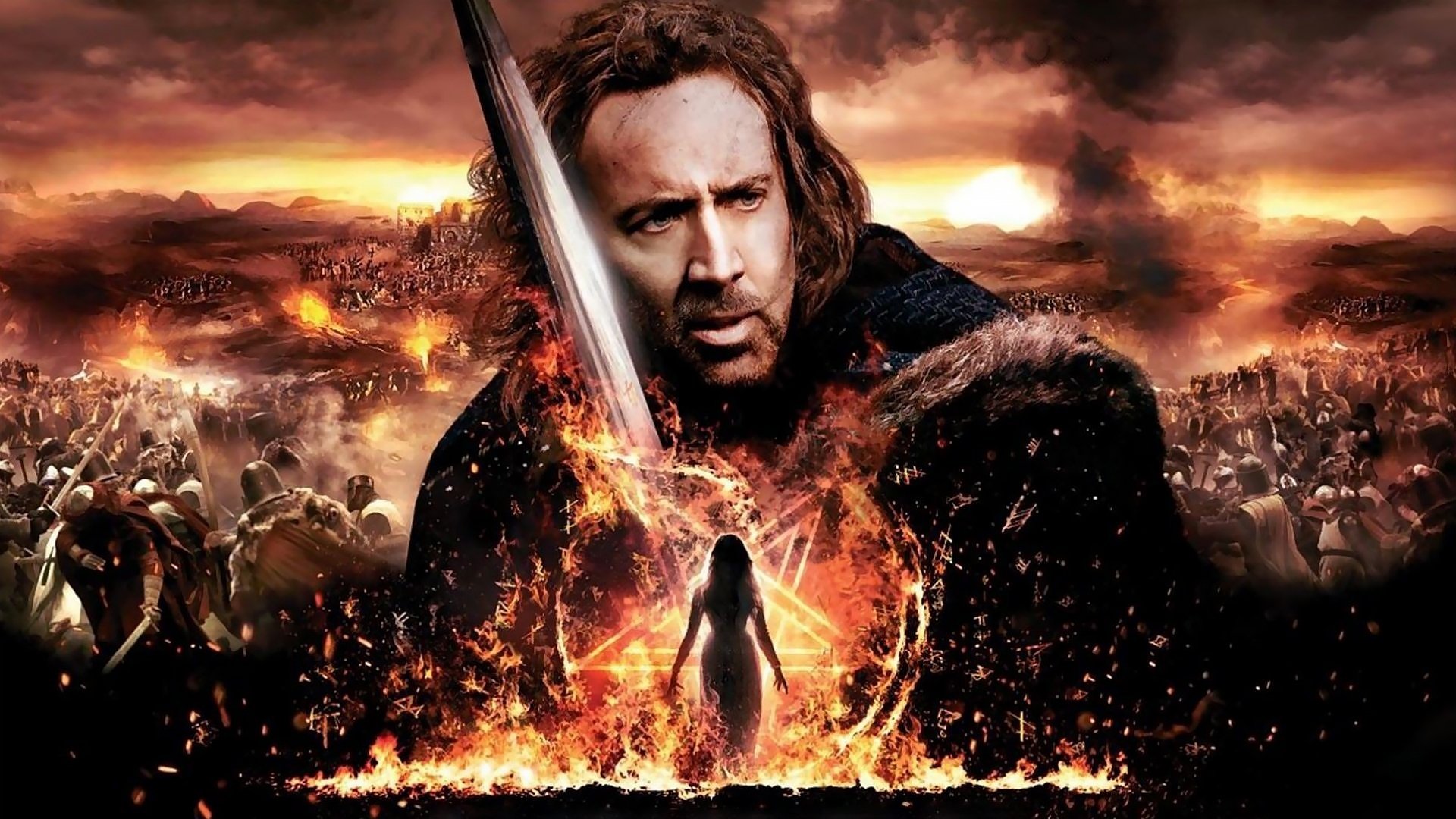
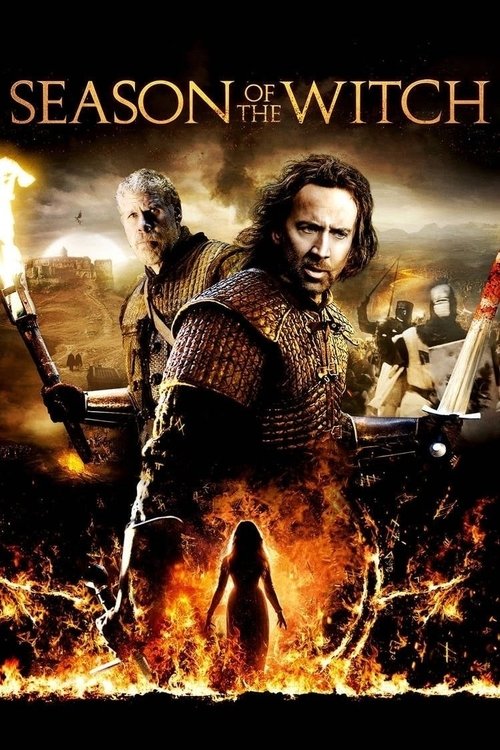
A 14th century Crusader returns with his comrade to a homeland devastated by the Black Plague. The Church commands the two knights to transport a witch to a remote abbey, where monks will perform a ritual in hopes of ending the pestilence.
Trailers & Videos 1

Season of the Witch (2011) Trailer #1 | Movieclips...
Cast
Nicolas Cage
Behman
Ron Perlman
Felson
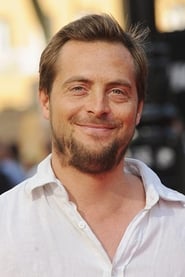
Stephen Campbell Moore
Debelzaq

Stephen Graham
Hagamar

Ulrich Thomsen
Eckhardt

Claire Foy
The Girl
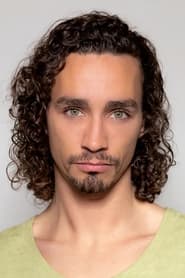
Robert Sheehan
Kay
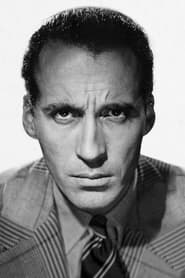
Christopher Lee
Cardinal D'Ambroise

Fernanda Dorogi
Givaudon

Rebekah Kennedy
Peasant Trurk Girl

Matt Devere
Sergeant in Arms
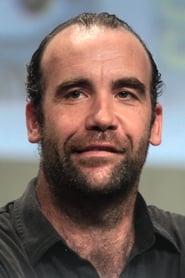
Rory McCann
Soldier Commander
Ratings & Reviews
No community reviews yet. Be the first to share your thoughts!
TMDB Reviews
Dark Jedi
TMDB8 years ago
It never received very god critics and I have to say it wasn’t the best film that I have seen, even though Nicolas Cage is one of my favorite actors. Then again, I never really like it when my favorite actors die at the end of the movie. Also the CGI, especially at the end of the film, was of rather mediocre quality.
Anyway, on the whole it was a fairly nice medieval sword swinging fantasy/supernatural action flick and not at all as bad as the critics tried to make it but then I’m not really surprised that the critics are off-whack as usual.

8 years ago
Knights, crusades, black plague, witches, castles, foreboding forests and demons
RELEASED IN EARLY 2011 and directed by Dominic Sena, "Season of the Witch" chronicles events when two ex-Teutonic Knight crusaders (Nicolas Cage & Ron Pearlman) traveling through Styria in modern-day Austria are enlisted to escort an alleged witch suspected of causing the black death (Claire Foy) to a remote monastery in the mountains for trial and to hopefully stop the devastating plague. Stephen Campbell Moore (Debelzaq), Stephen Graham (Hagamar) and Robert Sheehan (Kay) accompany the Knights.
This is basically the American version of "Black Death," a European film released around the same time. Both movies are dark, gritty and brutal in their depictions of Medieval Europe, but "Season of the Witch" is more of a stereotypical blockbuster with modish protagonists, amusing one-liners and CGI-laden climax. "Black Death" is deeper, more thought-provoking and realistic, which is why I give it the edge in overall value (see my review).
"Season" is the more conventionally entertaining movie and anyone who appreciates Dark Ages-based flicks are highly encouraged to check it out. Films which come to mind include "In the Name of the Rose" (1986), "Kingdom of Heaven" (2005), "Robin Hood" (2010), "Ironclad" (2011), "King Arthur" (2004), "Dragonslayer" (1981), "Red Riding Hood" (2011), "Tristan + Isolde" (2006) and "Robin Hood, Prince of Thieves" (1991). It's as good, or better, than any of these.
The colorful Medieval cinematography (castles, dungeons, villages, dark forests and breathtaking mountains) is mind-blowing and the two protagonists are great with their amusing rapport. Furthermore, Foy is easy-on-the-eyes. Look out for a thrilling rope-bridge crossing à la "Sorcerer" (1977). Although the climax is over-the-top cartoony, the tone up to that point is quasi-realistic, similar to "Robin Hood, Prince of Thieves.”
THE MOVIE RUNS 1 hour 35 minutes and was shot in Austria,...

Filipe Manuel Neto
TMDB4 years ago
A perfect example of how disrespect for the past and history can totally annihilate a film, even if it is fiction.
I really enjoy watching period films. However, my work as a historian gives me some antibodies to these films, for reasons linked to the lack of ability to harmonize creative freedom and strict respect for the historical facts and period customs. So, it was with some curiosity that I decided to see this film. After seeing it, I just wanted to slap director Dominic Sena and screenwriter Bragi Schut. None deserve any respect for what has been done here. The film is an insult to historians… even if it is not deliberate!
The script is the film's biggest problem, with a writing that seems to glue together fragments of several different stories: we start with the Crusades, we follow two knights in several military episodes and then, somewhat brusquely, they turn their backs on the Church (supposedly) and leave, probably for their homeland. It turns out that, on the way, they come across the Plague, and there is a woman, supposedly a witch, who was arrested, accused of causing the disease. Now, it's up to them the task of escorting the so-called witch to a monastery where some friars will judge her, in the light of a book that doesn't exist anywhere else in the world.
When you make a film with a historical background, at the very least, you should ask for the support of a consultant, someone who really knows History. No one should have the presumptuous arrogance to think they know everything, much less to take the public for an idiot, thinking that they will swallow everything that is shown to them! This film is an authentic case study in cinematic anachronism! How can the production admit the placement of clearly baroque decorative pieces in the midst of a medieval setting? How the hell can characters to disinfect their hands with alcohol if that was something totally unknown to medieval man? Since when is there a sea in Styria, if that ancient r...