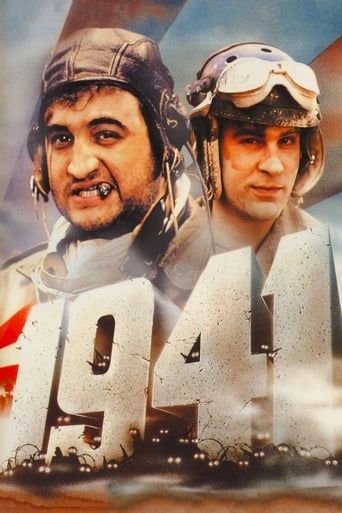

To End All Wars
Based on a real-life story, this drama focuses on a small group of Allied soldiers in Burma who are held captive by the Japanese. Capt. Ernest Gordon, Lt. Jim Reardon and Maj. Ian Campbell are among the military officers kept imprisoned and routinely beaten and deprived of food. While Campbell wants to rebel and attempt an escape, Gordon tries to take a more stoic approach, an attitude that proves to be surprisingly resonant.
Trailers & Videos 1

To End All Wars Trailer
Cast
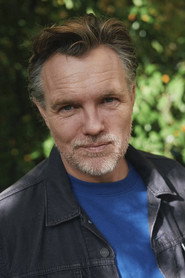
Ciarán McMenamin
Capt. Ernest Gordon

Robert Carlyle
Major Ian Campbell

Kiefer Sutherland
Lt. Jim 'Yanker' Rea...

Mark Strong
Dusty Miller

Yugo Saso
Takashi Nagase

Sakae Kimura
Sgt. Ito
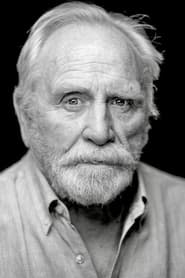
James Cosmo
Col. Stuart McLean
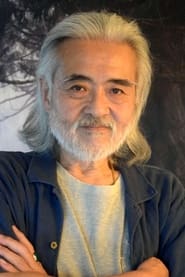
Masayuki Yui
Captain Noguchi

John Gregg
Camp Doctor Coates

Shû Nakajima
Nagatomo

Pip Torrens
Lt. Foxworth
James McCarthy
Norman
Ratings & Reviews
No community reviews yet. Be the first to share your thoughts!
TMDB Reviews

misubisu
TMDB6 months ago
Score: 9/10 - A Harrowing, Unflinching Testament to the Human Spirit
To End All Wars is not a comfortable film. Based on the true story of Allied POWs forced to build the Burma Railway during World War II, it is a brutal, spiritual, and deeply humane exploration of what it means to endure the unendurable. For viewers who value character over spectacle, moral complexity over easy heroism, and stories that earn their emotional weight through suffering and grace, this is essential viewing.
The Character Arc That Defines the Film
Like the best of the series shows I've reviewed Firefly's found family, Elementary's journey of recovery, Orphan Black's identity and resilience—To End All Wars is ultimately about transformation. The film centres on four men: Ernest Gordon (Ciarán McMenamin), a Scottish officer whose faith is tested to destruction; the cynical American, Reiner (Robert Carlyle), who believes only in survival; the pragmatic, quietly heroic Dusty (Mark Strong); and the Japanese commandant, Noguchi (Yukiyoshi Ozawa), whose own rigid honour system is challenged by the prisoners' humanity.
What sets this film apart is its refusal to offer easy redemption. Reiner doesn't become a saint; he becomes something more complex, a man who finds a reason to live beyond his own skin. Gordon's faith is shattered, then rebuilt in a form that has no room for judgment. The journey is painful, earned, and deeply believable.
A Brutal, Un-romanticised Setting
This is not a war film in the traditional sense. There are no grand battles, no heroic charges. The enemy is not the Japanese soldiers (portrayed with nuance, as fellow prisoners of their own brutal system), but starvation, disease, sadism, and the slow erosion of the soul. The film captures the grinding, daily horror of the railway with unflinching clarity, yet never descends into exploitation. The violence is purposeful, each cruelty a weight that bends but does not break the men.
**T...