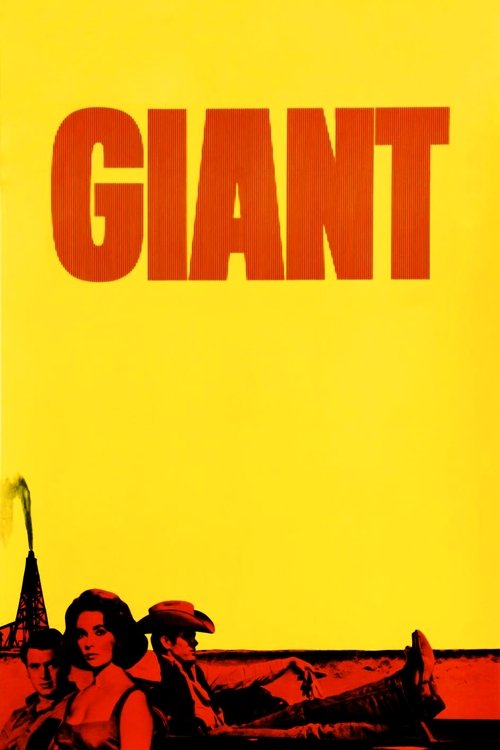
Giant
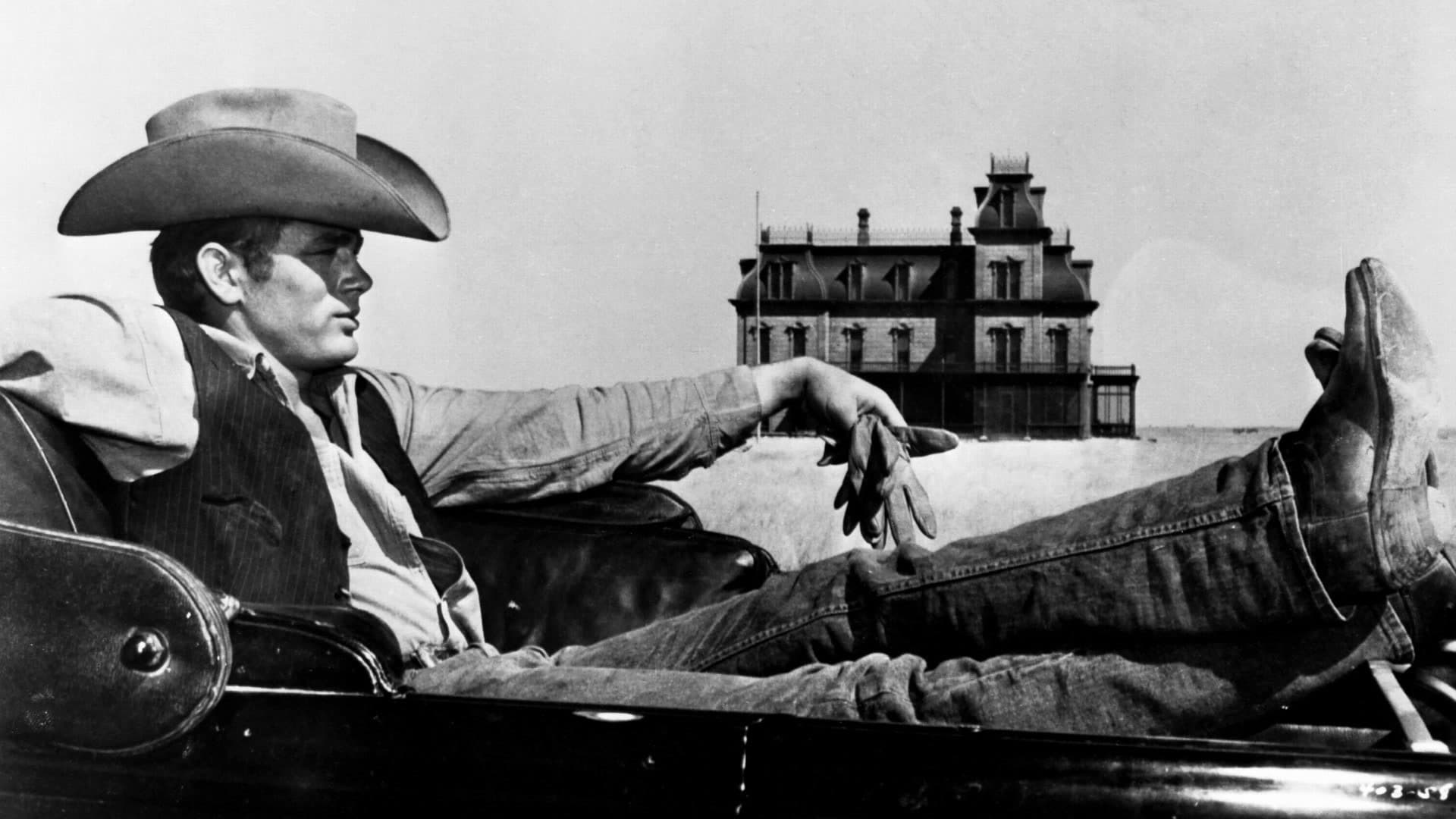
Wealthy rancher Bick Benedict and dirt-poor cowboy Jett Rink both woo Leslie Lynnton, a beautiful young woman from Maryland who is new to Texas. She marries Benedict, but she is shocked by the racial bigotry of the White Texans against the local people of Mexican descent. Rink discovers oil on a small plot of land, and while he uses his vast, new wealth to buy all the land surrounding the Benedict ranch, the Benedict's disagreement over prejudice fuels conflict that runs across generations.
Trailers & Videos 6
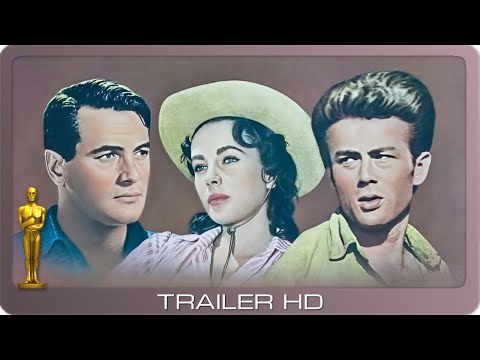
Giant ≣ 1956 ≣ Trailer
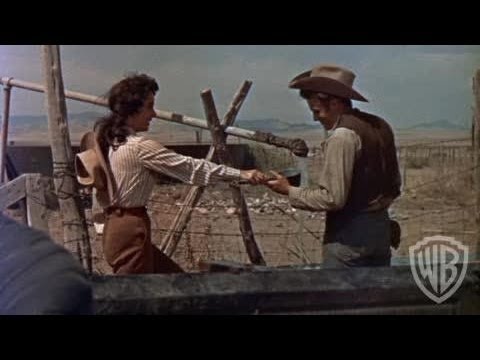
Trailer #2
Why George Stevens' ‘Giant’ Stands the Test of Tim...
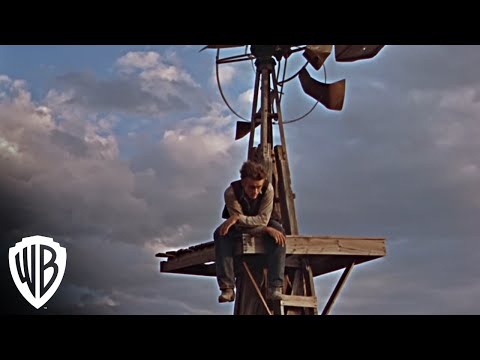
Walking
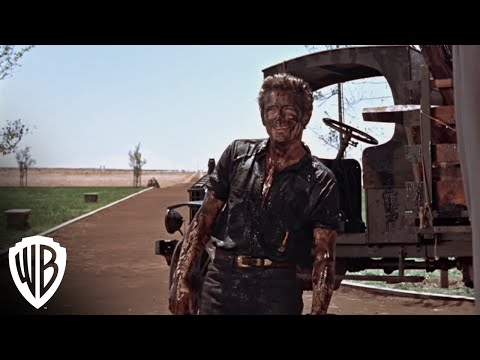
Strike Oil
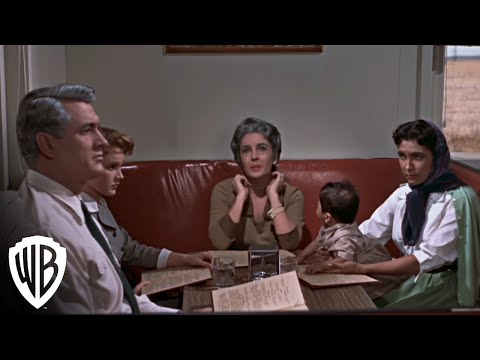
Fight
Cast
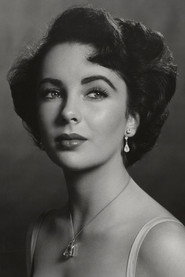
Elizabeth Taylor
Leslie Lynnton Bened...
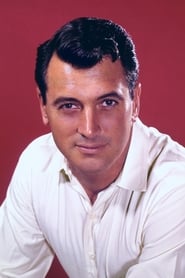
Rock Hudson
Jordan 'Bick' Benedi...
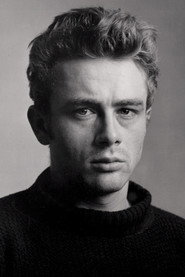
James Dean
Jett Rink
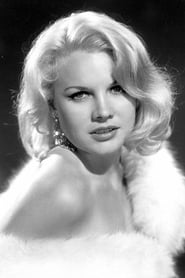
Carroll Baker
Luz Benedict II
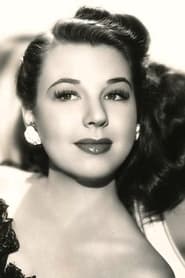
Jane Withers
Vashti Synthe

Chill Wills
Uncle Bawley

Mercedes McCambridge
Luz Benedict

Dennis Hopper
Jordy Benedict

Sal Mineo
Angel Obregón II
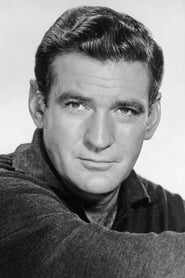
Rod Taylor
David Karfrey

Judith Evelyn
Nancy Lynnton
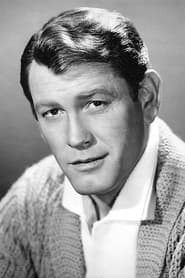
Earl Holliman
Bob Dace
Ratings & Reviews
No community reviews yet. Be the first to share your thoughts!
TMDB Reviews

CinemaSerf
TMDB3 years ago
This is essentially three stories that George Stevens has rolled into one, long, family melodrama. It all starts when "Bick" (Rock Hudson) travels from his massive Texas ranch to buy an horse from "Dr. Lynnton" (Paul Fix). The first thing he sees though is not the beautiful black stallion, but the man's daughter "Lesley" (Elizabeth Taylor) riding it. After a sticky start, she is on her way to his home, as his wife, where she must settle into a life where women like her are expected to provide children and live otherwise fairly ornamental lives. Needless to say, she isn't really up for that and the next portion of the film follows her efforts to find a purpose. "Jett Rink" (James Dean) is a general factotum on their place. Disliked by "Bick" but protected to an extent by his sister "Luz" (Mercedes McCambridge). Tragedy strikes and "Jett" finds himself the beneficiary of that to the tune of a small plot of land where he quickly discovers oil. That changes the dynamic of the relationships and with the onset of WWII, the traditional lives of all concerned are shaken to the core. The final third, if you like, has probably the strongest message: those who fought together during the war regardless of race or creed are now (largely) back home, victorious, but are expected to fit back into their social demographic - and Stevens uses a swathe of new characters, including their son (Dennis Hopper) and the briefest of appearances from Sal Mineo to illustrate the hypocrisy and double standards that entailed. This third is, in my view, also the weakest section of the story. Perhaps because a degree of ennui was setting in after two hours already, but the flawed characterisation of Dean is a bit too superficial and Miss Taylor - who really does dominate this film - takes too much of a back seat as the familial discord and the effects of the bottle start to dominate the plot. Though Hudson is maybe not the strongest of character actors, here he does provide a degree of accruing dec...