Mascara
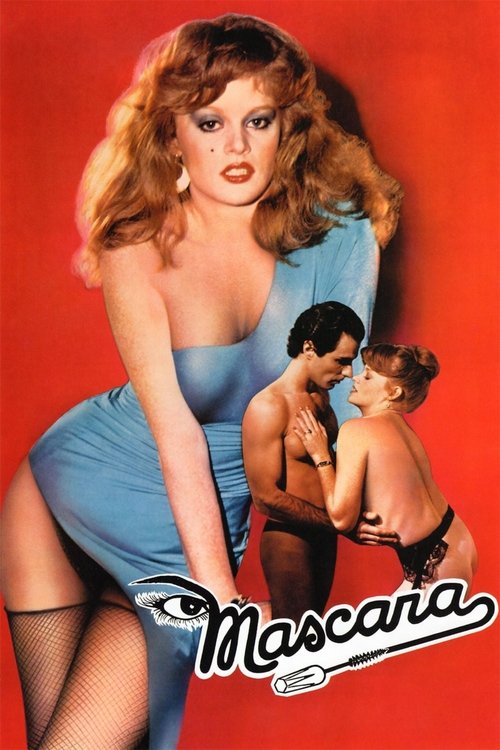
Harriet lives a repressed existence, working as a secretary in a Manhattan office. After discovering that her boss is secretly seeing a prostitute named Lucy, Harriet works up the courage to approach her to see if she can help her fulfill her sexual fantasies and overcome her inhibitions.
Cast




Ratings & Reviews
No community reviews yet. Be the first to share your thoughts!
TMDB Reviews

Martin Oaks
TMDB1 year ago
A brilliant essay on loneliness
This is one of the most fascinating hidden gems from the "Golden Age" of New York adult cinema. It is highly celebrated by film preservation platforms like The Rialto Report and boutique restoration labels like Vinegar Syndrome for its unusual urban melancholy and its strong stance on female empowerment.
Lisa De Leeuw stars as Harriet, a repressed and lonely secretary working in a Manhattan office. After accidentally discovering that her boss (Robert Kerman, AKA Richard Bolla) is having sexual encounters in his office with a high-class escort named Lucy (played by the unsettling Lee Carroll), Harriet decides to work up the courage to contact her and find out what her services are all about. This instantly sparks an unexpected and tight-knit friendship between the two women. Lucy becomes her mentor, introducing her to the escort world while helping her explore her deepest fantasies and come out of her shell.
What makes this production standout within the genre is its extraordinary emotional sensitivity and its meticulous technical execution. "Mascara" unfolds as a drama with uncommon psychological depth. Findlay’s lens and cinematography capture a gritty, nocturnal New York that evokes the aesthetic of the French New Wave. Meanwhile, the explicit sequences written and shot by Pachard organically flesh out the characters' psychology, featuring a sensational Lisa De Leeuw as a vulnerable woman eager for new experiences. With great chemistry between the lead duo and an immersive soundtrack by composer Walter E. Sear, "Mascara" works perfectly both as a flawless time capsule of classic Manhattan and as a smart essay on urban alienation and the search for identity through the self-discovery of pleasure.