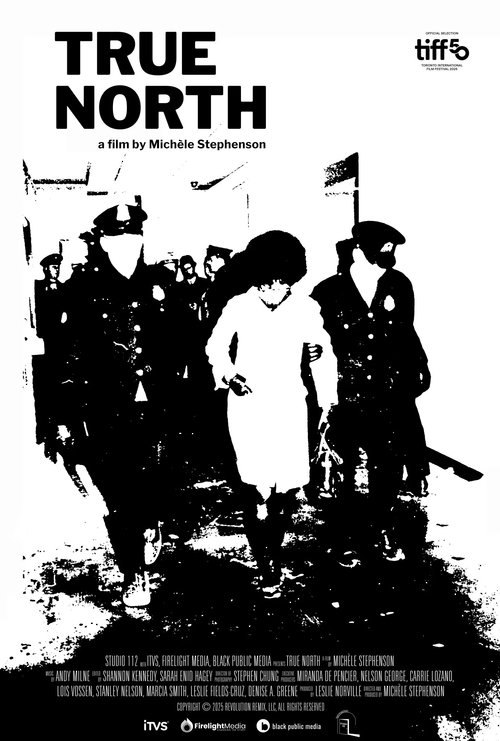
True North: Canadian Myths and Black Power
Centers on the 1969 student protests against racism at Montreal’s Concordia University and their contribution to the story of Black liberation.
Ratings & Reviews
No community reviews yet. Be the first to share your thoughts!
TMDB Reviews
Brent Marchant
TMDB11 months ago
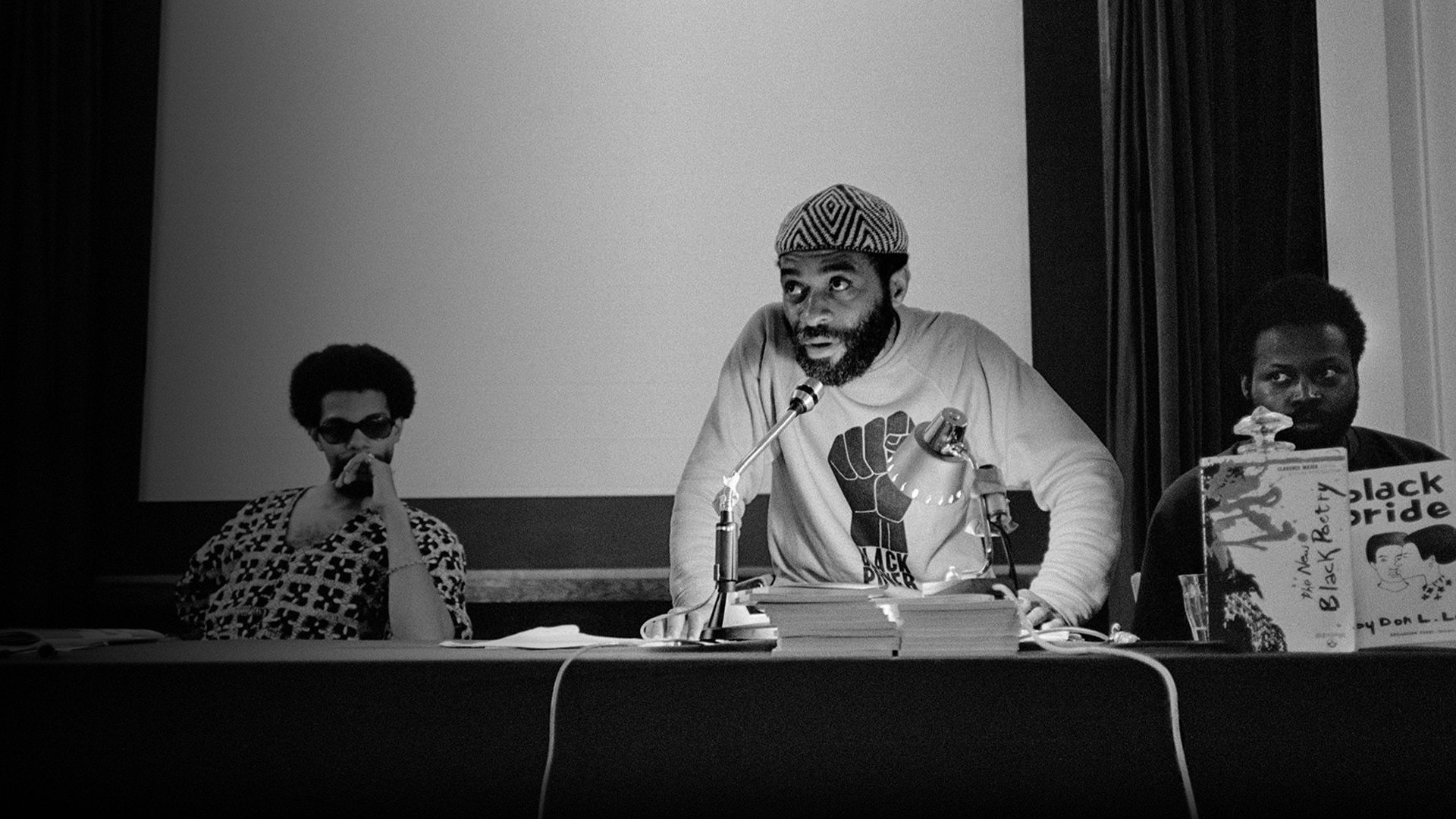
When one thinks about Canada, images of a country known for its open-minded, tolerant, polite people and culture usually come to mind. But, when considering the nation’s history, often serving as a way station along slave trading routes and a refuge for escaped slaves from the US, that has not always been the case. In fact, with some exceptions aside, as recently as the 1960s, many parts of Canada weren’t as readily accepting as they are today, a carryover from the days when it was more heavily tied to its conservative English cultural roots and legal traditions, as well as its role in human trafficking. Racism toward Canadian Blacks may not have been as blatantly obvious as in the American South, for example, but it was insidious in many quarters, camouflaged by practices hidden behind largely anonymous personal and institutional façades. But, as the US civil rights movement began to heat up – particularly in the wake of the Dr. Martin Luther King Jr. assassination – the influence of that activism spread northward, with Canadian Blacks (especially those of Caribbean origin) beginning to fight back in earnest. And that’s what this documentary from filmmaker Michèle Stephenson seeks to chronicle, exposing the country’s past racial issues, particularly in such locations as Montreal and Halifax. Through a wealth of archive footage and recent interviews with activists who lived through the surprisingly turbulent turmoil that erupted when justice was being railroaded, Canada’s attempts at clandestinely suppressing equality and civil rights against minorities are brought to light. Particular emphasis is placed on the work of leaders like Rosie Douglas and Brenda Dash, as well as the impact of events like the Montreal Black Writers Conference and a watershed uprising at the Sir George Williams College Medical School whose intensity rivaled that of many protests in cities across the US. As revelatory as these initiatives and incidents were, however, they’re not always prese...