
Last Hippie Standing
"Last Hippie Standing", 2002, is a video clip style portrait about the hippie generation. Thirty years ago, this was a movement which came to Goa to find something they couldn't find at home.
Trailers & Videos 1
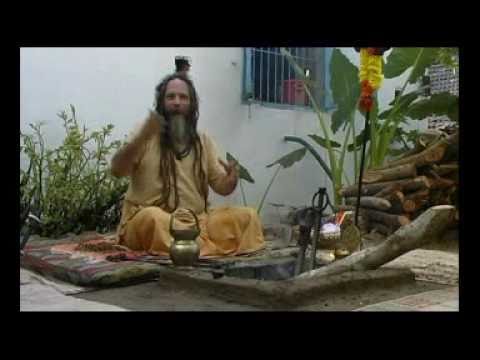
Last Hippie Standing: Goa is not a Place - Goa is...
Cast
Ratings & Reviews
No community reviews yet. Be the first to share your thoughts!
TMDB Reviews
8 years ago
Last Hippie Standing is a 45-minute documentary by German filmmaker Marcus Robbin about the counterculture scene in Goa, India. It juxtaposes the first hippies here with a later generation of travellers who came for the rave scene.
One of the positive features of the documentary is its inclusion of handheld camera footage that shows us how the first travellers here looked and spent their time. In contemporary interviews three figures represent the hippie community of the 1960s and 1970s here. Goa Gil came to India in 1969, after seeing the collapse of Haight-Ashbury, and developed the Goa Trance style of dance music. His friend Swami William came for spiritual enlightenment. The third figure interviewed is the late Cleo Odzer, a ditzy scion of a wealthy New York family who came in the 1970s. Her 1995 book Goa Freaks: My Hippie Years in India was a tell-all that, though it documented some of the troubling aspects of the hippie community like hard drug use, angered many of her peers. Those sorts of revelations are absent here, and indeed we just get from her some general remarks that Goa was a great place, a perfect den of hedonism. I found her portions tiresome, but since so much of the Super 8 footage is from her, I suppose we ought to be grateful for her participation.
The contemporary scene was documented in the winter of 1999-2000. Robbin captures footage of tourists in the market and at raves on the beach. There is also an interview with Francisco Sardinha, then chief minister of Goa, who says unabashedly that he does not want hippies, but rather wealthy tourists who can pump a lot of money into the local economy.
When this documentary was made, it juxtaposed historical footage of Goa with what was then contemporary. For audiences watching today, the documentary is doubly historical. The rave culture depicted in 1999 has now been more or less eradicated from Goa, with noise laws bringing an end to psychedelic parties on the beach. Plus the overpo...