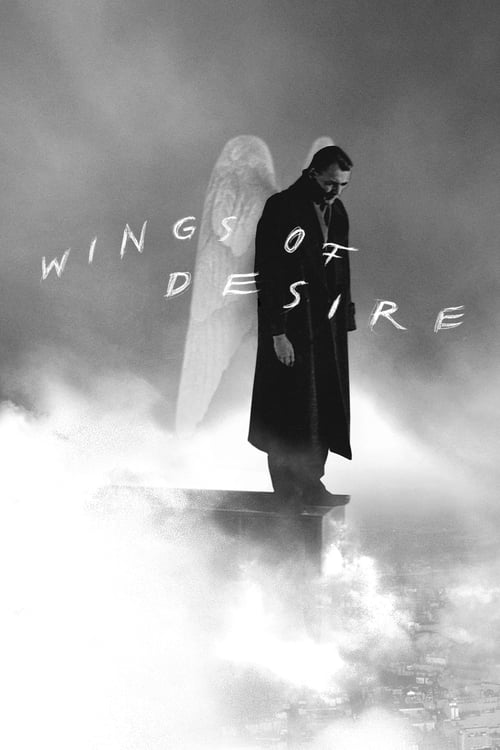
Wings of Desire
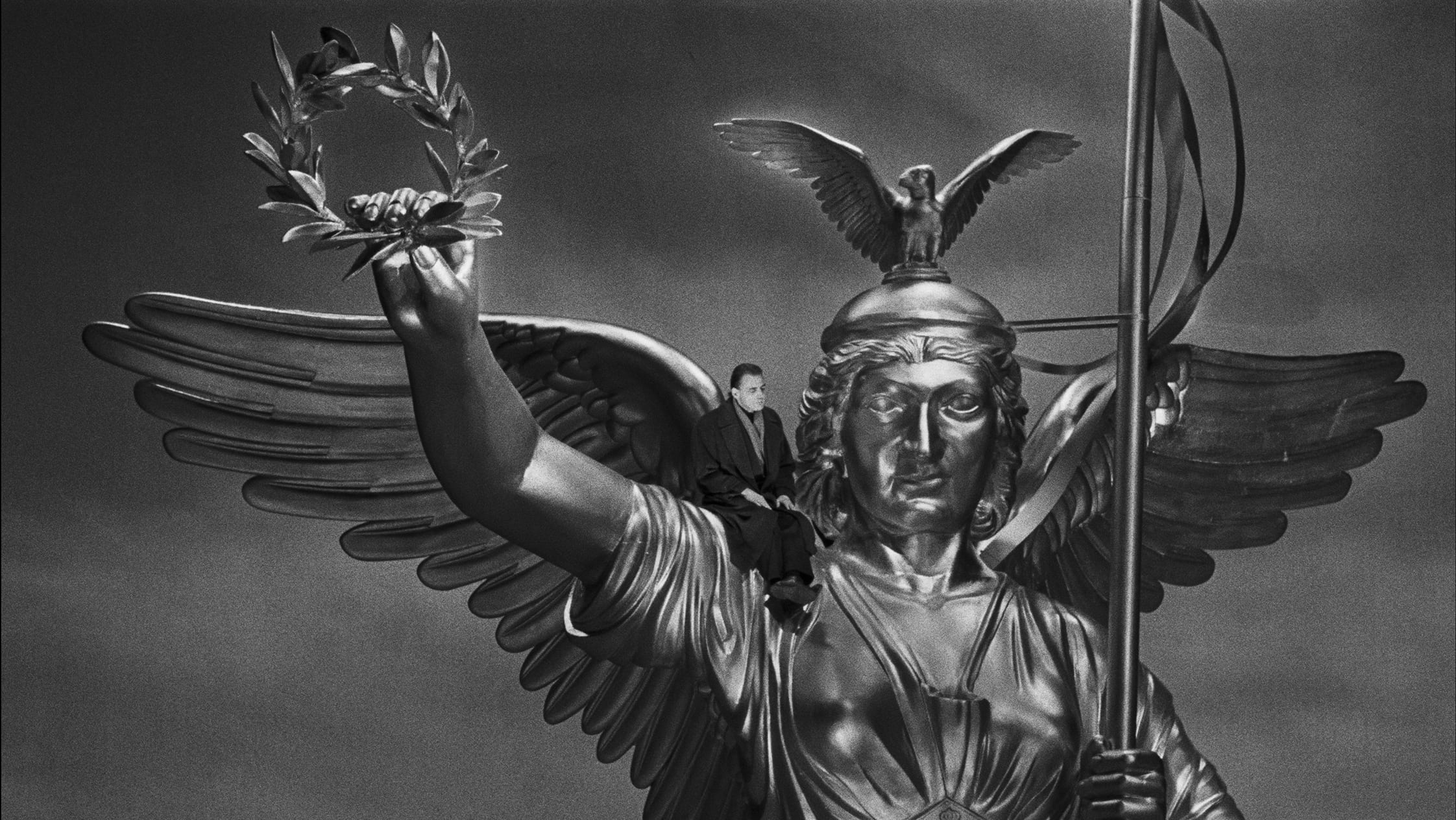
Two angels, Damiel and Cassiel, glide through the streets of Berlin, observing the bustling population, providing invisible rays of hope to the distressed but never interacting with them. When Damiel falls in love with lonely trapeze artist Marion, the angel longs to experience life in the physical world, and finds — with some words of wisdom from actor Peter Falk — that it might be possible for him to take human form.
Trailers & Videos 6

Official UK Re-Release Trailer
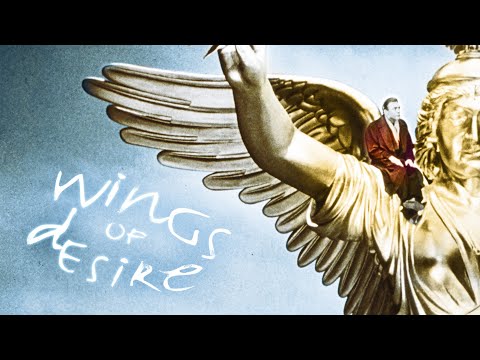
Official Trailer
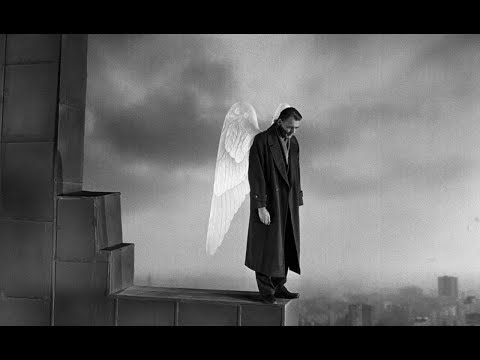
US Re-release Trailer
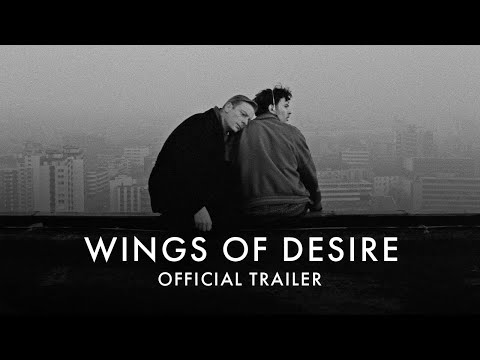
Official UK Re-Release Trailer 2
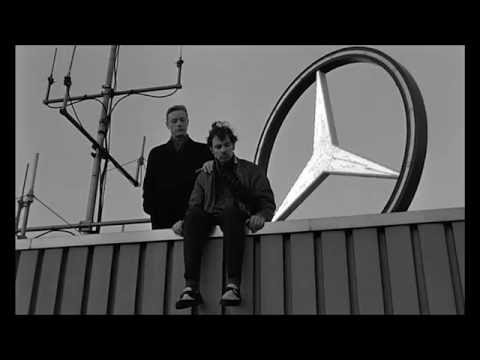
AFS PRESNTS: WINGS OF DESIRE
![Hand-picked by MUBI [Subtitled]](https://img.youtube.com/vi/Pt8lgyOkl74/hqdefault.jpg)
Hand-picked by MUBI [Subtitled]
Cast






Ratings & Reviews
No community reviews yet. Be the first to share your thoughts!
TMDB Reviews

CinemaSerf
TMDB3 years ago
Bruno Ganz is on top form in this characterful study of desire - physical and spiritual. He is "Daniel" an angel invisible to all but his own kind (and to the innocence of children) who finds himself, with his colleague "Cassiel" (Otto Sander) policing the city of Berlin at the end of the second world war. Needless to say, there are no shortages of claimants on their compassion and they do what they can to help assuage the difficulties faced by the desperate and the struggling. When he alights on circus trapeze artiste "Marion" (Solveig Dommartin) though, "Daniel" starts to have doubts. His entire raison d'être starts to become compromised as he realises that there are benefits to being mortal, and human, and that being in love is probably the greatest of these. Up until this moment, his life has been intangible and he determines that must change. It's risky though... There are no guarantees! It's a bit of a slow burn so don't expect a great deal to happen quickly. It is, however, quite a potent tale of realising priorities and dealing with demons - some more apparent than others - told in a gradually accumulating, effective and emotionally charged manner. It is not in the least sentimental but just as the angels observe their subjects, we are invited by Wim Wenders to do the same with them - and it's surprisingly effective to watch as some of the questions and challenges facing him could easily be applied to those in the audience. The monochrome photography is also striking and well authenticates the scenario of a desolate and despairing post war environment. Perhaps serendipity takes too big an hand at the end, but... you decide.

Filipe Manuel Neto
TMDB3 years ago
Essay on Sleepiness.
When I decided to see this film, I did it for three reasons: the first is the participation of Bruno Ganz, a German actor that I appreciate and that I started to like after seeing him do excellent work in other films such as “The Fall”; the second is the enormous consideration in which this film has been held by a very high number of distinguished critics and specialists; the third is the fact that it's the first West German film I've seen in my life (as far as I know and that I'm aware of).
The script, however, couldn't be more tasteless than it turns out to be: the film begins with the turns and wanderings of two angels through the streets and places of West Berlin, observing people's daily lives. Damiel and Cassiel, each in their own way, are interested in human beings. They cannot be seen, except for children, and for a single individual who manages to talk to them, and one of them ends up deciding to become a human being and live a mortal life, on Earth, after falling in love with a woman. circus trapeze artist.
In fact, there is no lack of television or literary material about angels who fall in love with humans or who, for other reasons, give up their angelic life and become humans. It seems that there is, among us, a desire to humanize these creatures. In the wake of all this, the film makes a series of philosophical and metaphysical considerations that will only truly interest philosophers, or theologians, or writers in general. Wim Wenders is a director who appreciates this type of ultra-intellectual cinema, made for artistic cycles and festivals, never for the general public, who find it a good substitute for sleeping pills. Personally, I don't like this type of cinema, even though I recognize its artistic merit.
Bruno Ganz, on his journey, awakens to the beauty of humanity in an elegant way that borders on poetry. He sees beauty in the most trivial things, which we usually don't, not without an extreme artistic sensit...