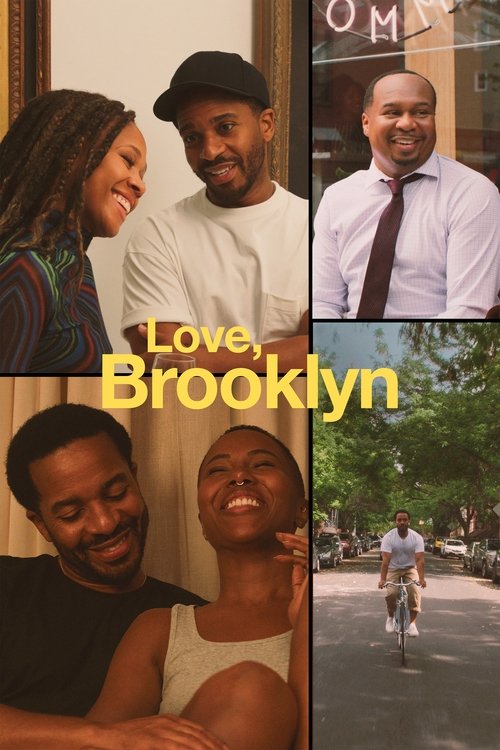
Love, Brooklyn
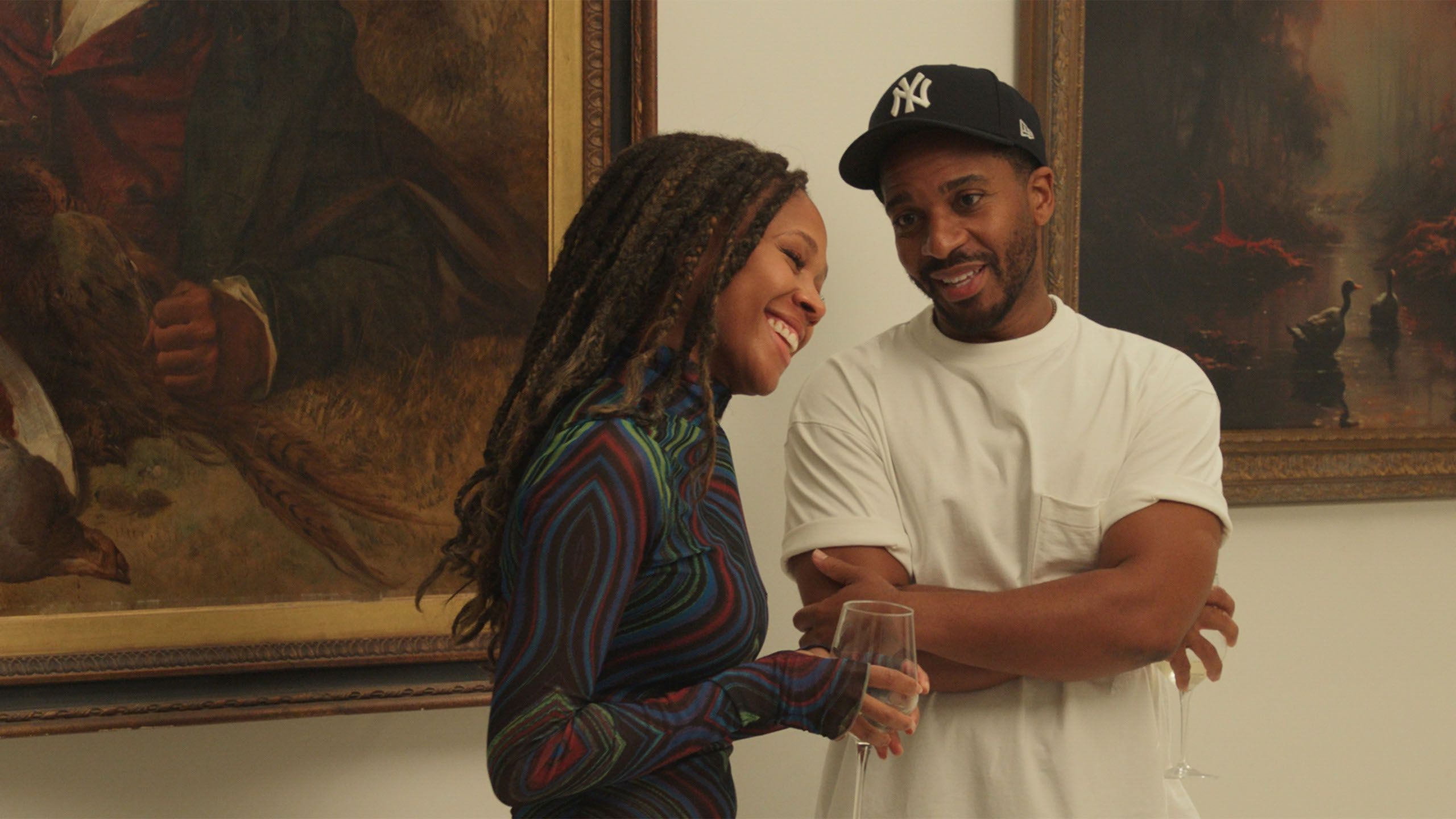
Roger, a writer, navigates complicated relationships with his ex Casey and his current lover Nicole, a newly-single mother, with the support of his best friend Alan. A modern romance set against the rapidly changing landscape of Brooklyn, New York.
Trailers & Videos 3

Official Trailer
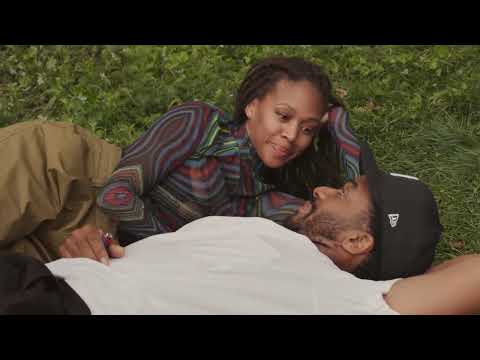
“But You Seein’ Somebody” - Official Clip

Meet the Artist 2025: Rachael Abigail Holder on “L...
Cast









Ratings & Reviews
No community reviews yet. Be the first to share your thoughts!
TMDB Reviews
Brent Marchant
TMDB6 months ago
New York is one of those locales that people become so enamored with that it invariably inspires its share of cinematic love letters, odes to a metropolis known for its people, places, culture and way of life. Of course, to make those movies work, they require solid narratives and characters to drive them, with impassioned, gifted filmmakers at the helm, as seen in such works as Woody Allen’s “Manhattan” (1979) and Spike Lee’s “She’s Gotta Have It” (1986) and “Crooklyn” (1994). Without those elements, however, the love of the setting becomes lost (and, sadly, all too often, the stories associated with them as well). And, unfortunately, that’s very much the case with this debut feature from director Rachael Holder. This would-be ode to Brooklyn – one of Gotham’s most classically beautiful boroughs with a long, rich and distinctive culture of its own – seeks to symbolically explore how it has changed – drastically – in recent years, as told through the lives of three residents approaching middle age. Roger (André Holland) is a writer struggling in earnest to write his own personal love letter to Brooklyn in light of the changes that have taken place. However, he never quite seems to get on track, mainly because he’s preoccupied with sorting out his feelings about two romantic interests, his former girlfriend, Casey (Nicole Beharie), and his new prospect, Nicole (DeWanda Wise), a widowed single mother of a young daughter, Ally (Cadence Reese). These distractions essentially prompt him to place his life on hold as he steps back to assess them and what they might mean for the future. The changes in Roger’s life personally thus parallel those of the borough where he lives, and he’s torn about what once was and what now is, not to mention what might be. Regrettably, though, these story threads are woefully underdeveloped, becoming locked in a repetitive series of indecisiveness and, frankly, annoying bouts of whining and handwringing (and for all concerned, too). It’s like...