La Grazia
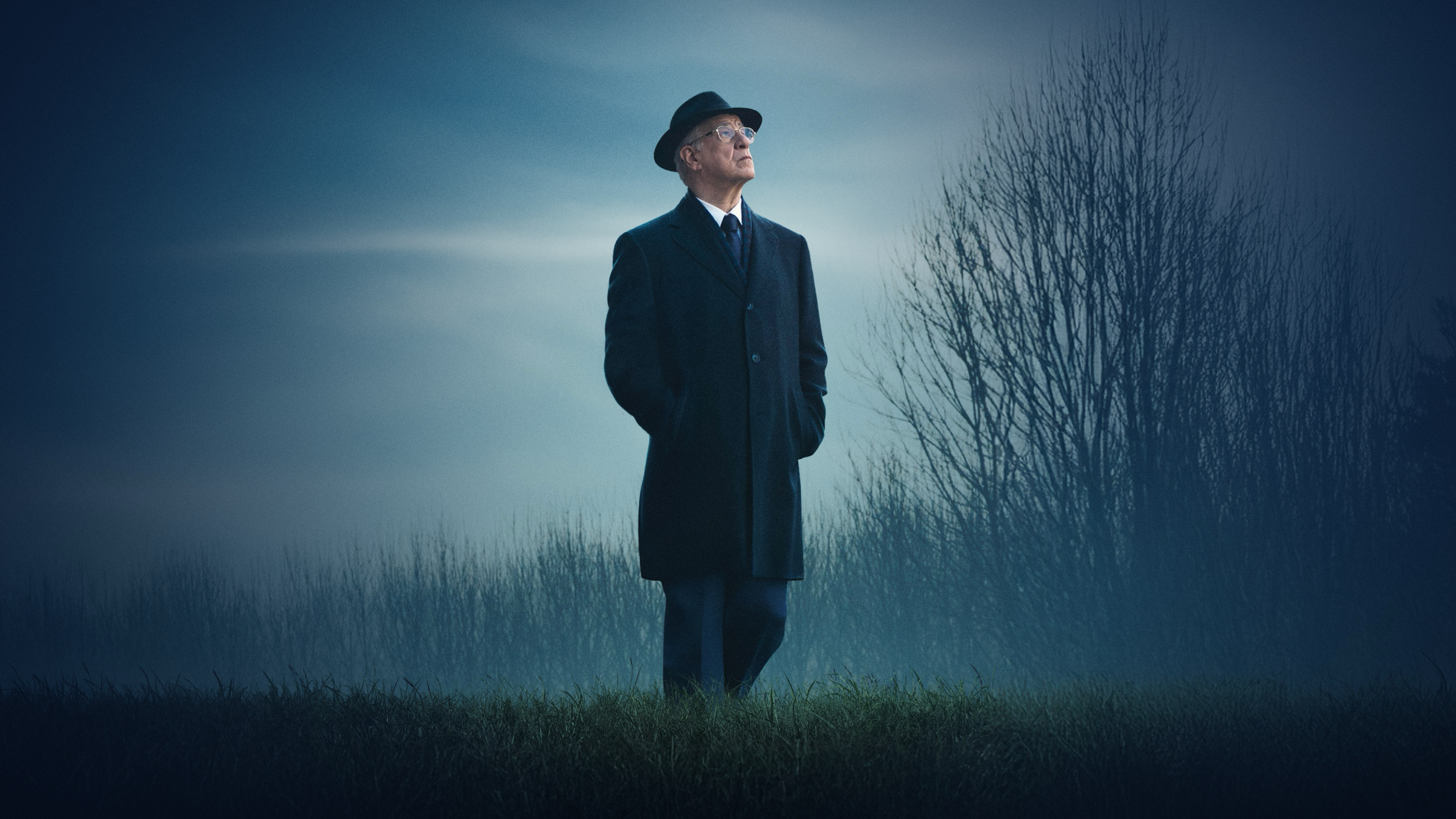
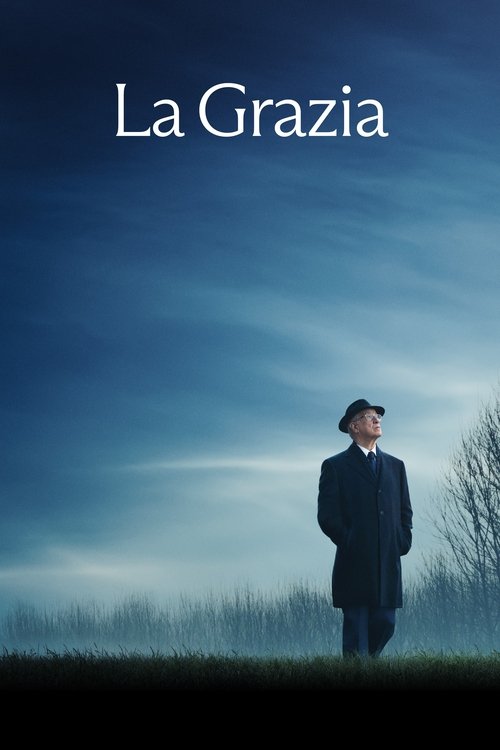
As his tenure as President of Italy nears its end, Mariano De Santis faces wrenching decisions-both political and deeply personal. Amid these moral quandaries, he must confront his own conscience and seek guidance from those closest to him, including his confidante and daughter, Dorotea.
Trailers & Videos 6
![Official Trailer [Subtitled]](https://img.youtube.com/vi/zvQn44a_IHo/hqdefault.jpg)
Official Trailer [Subtitled]
![“Who owns our days?” LA GRAZIA, the latest from the great Paolo Sorrentino, is now streaming [Subtitled]](https://img.youtube.com/vi/jvTV9K-fVK4/hqdefault.jpg)
“Who owns our days?” LA GRAZIA, the latest from th...
Official Clip
Official Clip

Paolo Sorrentino on La Grazia
Official Clip
Cast
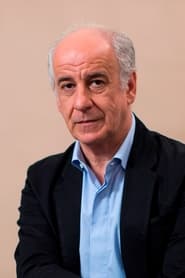
Toni Servillo
Mariano De Santis

Anna Ferzetti
Dorotea De Santis
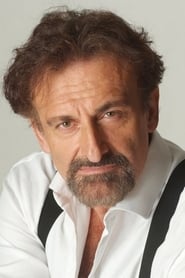
Massimo Venturiello
Ugo Romani
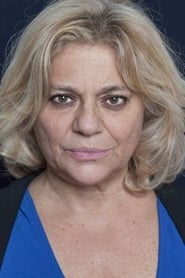
Milvia Marigliano
Coco Valori
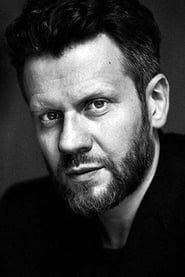
Orlando Cinque
Massimo Labaro
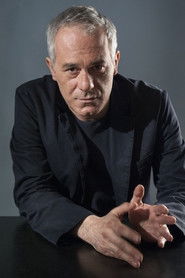
Giuseppe Gaiani
Lanfranco Mare
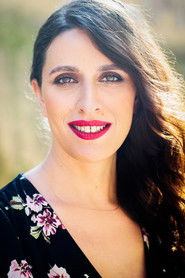
Giovanna Guida
Valeria Cafiero
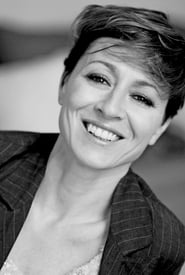
Alessia Giuliani
Maria Gallo
Roberto Zibetti
Domenico Samaritano

Linda Messerklinger
Isa Rocca
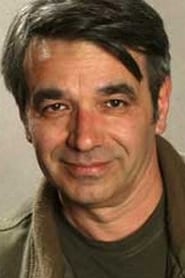
Vasco Mirandola
Cristiano Arpa
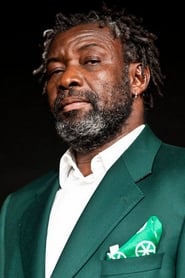
Rufin Doh Zeyenouin
The Pope
Ratings & Reviews
No community reviews yet. Be the first to share your thoughts!
TMDB Reviews
7 months ago
Rilke once said about poetry and maturity that poetry is born not merely from early feelings but from deep, seasoned memories that have been absorbed into one's being, transforming into the essence of the poet's expression. Paolo Sorrentino's La Grazia is the kind of maturity Rilke was talking about, a film that could only be made by someone who has lived long enough to understand that our hardest decisions are never about the issue at hand; they're about everything we've carried, everything we refuse to release, everything that has calcified into who we are.
Toni Servillo is nothing short of brilliant in his expression of a man near his final days as President, carrying the entire weight of the country's dilemma on his own shoulders. Six months short of retirement, he is asked to consider a bill that is revolutionary for a country that sits at the center of Roman Catholicism: the legalization of euthanasia. We learn quickly that he is not a man who lets go of his beliefs easily. He cannot let go of his suffering horse that he loves. He cannot let go of an infidelity from his now-deceased wife, still nursing the wound after forty years. He is also asked to sign two pardons. All these things are related, all variations on the same impossible question: when do we release what causes us pain, and what does that release cost us?
Servillo plays this aging leader with such restraint that every gesture becomes meaningful, every silence weighted with decades of compromise and conviction. You watch him wrestle with the euthanasia bill not as an abstract political question but as a personal reckoning with mercy, suffering, and the arrogance of deciding for others what constitutes a bearable life. He knows what it means to hold on too long; his horse proves that. He knows what it means to let resentment poison memory; his wife's betrayal proves that. And now the state asks him to decide whether others should have the right to choose their own endings.
Daria D'Antonio...

CinemaSerf
TMDB6 months ago
With only a few months left of his term in the Quirinale, the widowed President of Italy is contemplating his future whilst having to consider a few difficult decisions that may end up defining not just his presidency but his legacy, too. “De Santis” (Toni Servillo) is tasked with signing into law a contentious bill on euthanasia but will his own conscious allow him! Will his close friendship with the Pope (Rufin Doh Zeyenouin)? He must also consider two pardons before him. Both are legitimate convictions for murder but both could have mitigating circumstances - if he felt convinced enough - but what emerges quite swiftly about this man is that he is a natural born prevaricator. An experienced jurist by profession, he duly delegates much of the work with his latter pair of tasks to his lawyer daughter “Dorotea” (Anna Ferzetti) whilst he contemplates the aspirations of his life-long friend “Ugo” (Massimo Venturiello) to succeed him in office. It’s these aspirations that are proving the greatest source of conflict for this man, as he believes that his late wife had an affair some forty years earlier, and that “Ugo” was the partner. His best friend through all of this, the feisty “Coco” (Milvia Marigliano) thinks he is wrong, but steadfastly refuses to reveal the identity of the man and so the scene is now set for this president to have to find some courage - one way or the other. Servillo plays the role very much in a style of less being more, and given there isn’t really so much by way of excess chatter here, that works effectively. Ferzetti also delivers well as the distracted President leaves his daughter to do his heavy lifting and thereby uses her character to present us with an insight into just what we might consider mitigating circumstances as two plausibly distinct situations are evaluated, without any clear parameters for us to make any judgements. The production design works wonders at setting an almost sterile environment for this man to work. So often he...
Brent Marchant
TMDB5 months ago
As we approach the finish lines of our lives, we often take time to reflect back on how we’ve spent the years of our existence. It’s a process that allows us to take stock of who we are and how we’ve lived, and it frequently provides a means to help us make decisions about any remaining unfinished business we may have. However, such soul-searching may also leave us with more questions than answers at a time when we need such clarity most, the alternative being pervasive indecisiveness that can be crippling. Such are the quandaries faced by aging Italian Presidente Mariano De Santis (Tony Servillo), a popular leader who’s nearing the end of his term. However, despite the ample respect and admiration he has earned as an accomplished jurist and head of state, he’s facing his last days in office with a palpable sense of dread and ennui both politically and personally. As a widower who has been on his own for eight years and the father of two children he barely knows, he’s essentially lonely and not particularly looking forward to the assumed freedom that will come with retirement. In the meantime, these circumstances have left him largely disinterested in his official duties, unengaged in matters of state and all too willing to delegate many of his duties to his daughter and primary aide, Dorotea (Anna Ferzetti). Instead, he spends much of his time brooding, reflecting on his past, most notably memories of his wife, Aurora (Giorgia Liguori), the love of his life who betrayed him when her younger self (Elisa Perolini) had an affair, an incident that broke his heart even though it did not lead to divorce. But, despite the anguish that this and other episodes have caused him, he’s somehow managed to always land on his feet. It’s an asset that has served him well and could potentially prove valuable as he faces some crucial decisions once out of office and in his final days at the helm, such as those involving a pair of controversial pardons and the signing of a publicly di...