Building Bombs
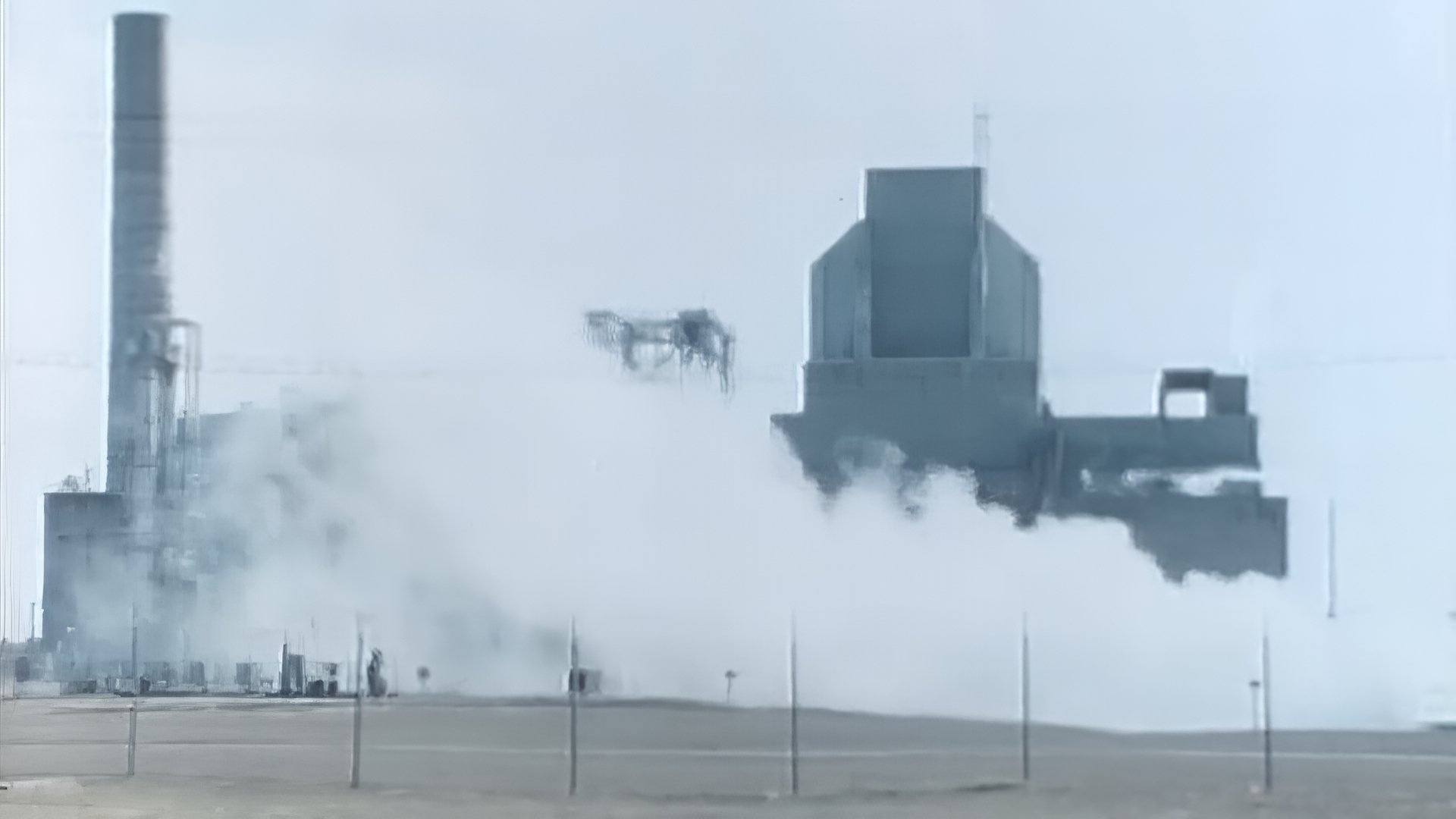
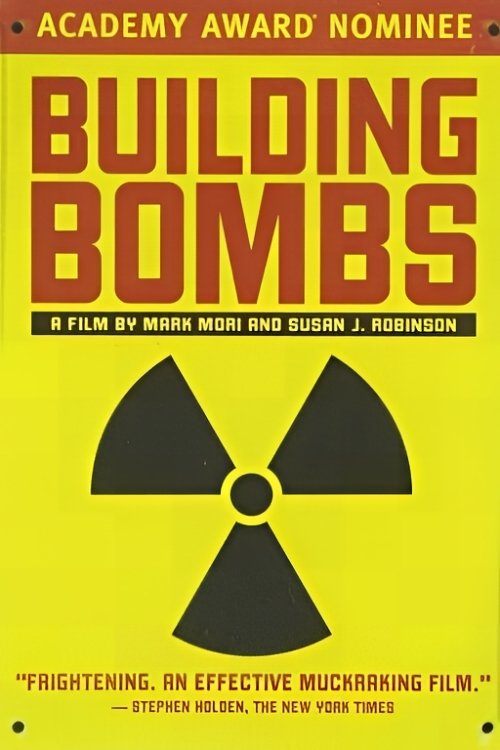
This Oscar-nominated documentary chronicles everyday life in Aiken, S.C. -- ground zero for America's hydrogen bomb-making facility, the Savannah River Plant. Through interviews with residents, politicians, activists and factory workers, the incisive film looks at the consequences of living in the shadow of nuclear weapons and the illegal dumping of radioactive waste. Actress Jane Alexander narrates.
Cast

Ratings & Reviews
No community reviews yet. Be the first to share your thoughts!
TMDB Reviews

CinemaSerf
TMDB2 months ago
When Uncle Sam teams up with the giant DuPont chemical company to start building the United States' nuclear arsenal, they need somewhere expansive but remote enough to construct their plant. They alight on a huge tract of land in South Carolina and then promptly dispossess the people who'd lived near the town of Aiken for decades. This site also benefitted from having the Savannah river on it's doorstep and so within a matter of months an huge industrial site stood where once there were farms and small villages. It wasn't all bad news at the time as the company were hiring, and they were paying well for those involved in the construction and then subsequent management of this vast complex. Thing is, though, this wasn't just a place where the bombs were built, it was an also an experimental station where new and even more toxic technologies were being worked on by physicists and chemists so as to further enhance the endurance and effectiveness of the thousands of missiles being housed. As time passes, though, the after-effects of this project start to impact somewhat unexpectedly (at the time) on the workforce and the residents. Clearly with such an abundance of radioactivity pervading the community it was only a matter of time before the effects started to affect the people, the wildlife - even the turtles who didn't quite start to glow in the dark, but not far off. Low grade waste was being boxed up in cardboard and buried as landfill; more dangerous waste was being encased in something a little more substantial, but essentially all of the by-products from years of activity was being put into holes in the ground - at times looking barely ten feet deep. As we might expect, the effects of rainwater on the cardboard started to not only rot these containers, but also to cause heavage in the soil that gradually exposed their contents to the air and to the water that was continuing down through the soil to the massive aquifer that supplied people and irrigated farms from...