
Oca
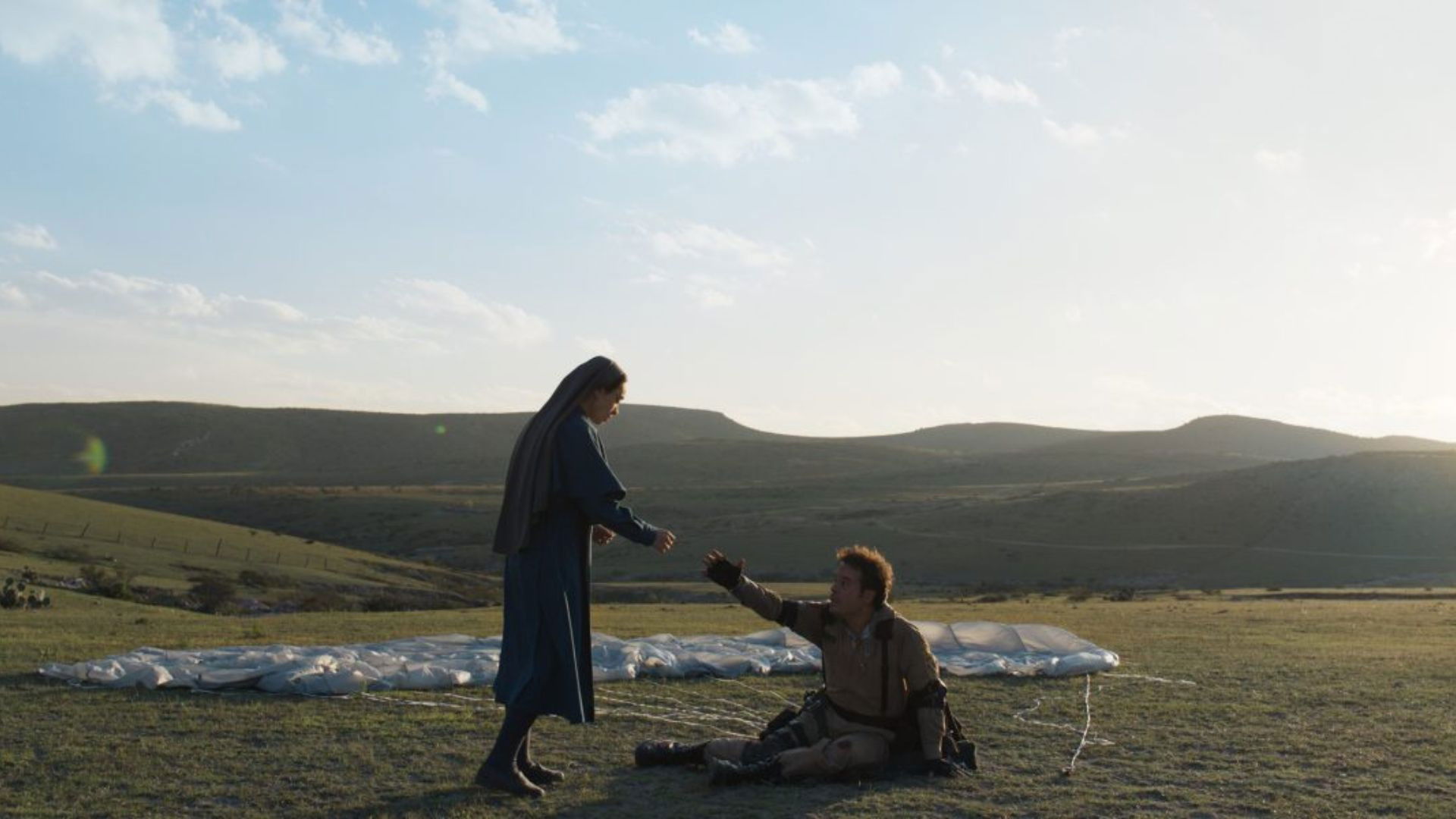
Rafaela is a young nun who belongs to a precarious congregation. For some time, a recurring dream has haunted her. At the same time, she is sent to a nearby town in search of the new archbishop. Along the way, she will experience extraordinary encounters that will either advance or retreat from her path.
Cast







Ratings & Reviews
No community reviews yet. Be the first to share your thoughts!
TMDB Reviews
Brent Marchant
TMDB11 months ago
Life, as we all know, is full of twists and turns, some that advance us and others that set us back, with others still that facilitate both more or less simultaneously. Making sense of that can be maddening, too, especially for those looking for patterns in the chaos. Issues like this can be particularly meaningful (or mind boggling) for those with a spiritual bent, who try to understand these developments in terms of God’s plan. In fact, on an everyday secular level, those matters have even become enshrined in a popular board game in Spanish-speaking countries called “Oca.” And the principles behind this pastime, in turn, provide the basis for the debut feature from writer-director Karla Badillo, an introspective look at understanding how life unfolds when viewed from this perspective. To describe the film in greater detail would reveal too much, but, in a nutshell, it follows the remarkable odyssey of a prescient Mexican nun, Sister Rafaela (Natalia Solián), whose dream premonitions often come true, leading her to believe that she may have a direct line to the mind of God. But does she? And, if so, can she draw upon such wisdom to help save the failing convent to which she belongs? Under orders from her Mother Superior, she’s sent to seek the counsel of the newly appointed Archbishop of her diocese, who has recently arrived and moved into quarters different from the traditional residence of someone in his position, one that’s also somewhat challenging to reach. As she embarks on this journey, she experiences a series of both setbacks and unexpected good fortune involving others caught up in three separate scenarios that all eventually become interconnected with one another, again for better or worse, once more confirming the rationale behind the Oca principles. In fact, to further evidence these ideas, the unfolding narrative proceeds to validate the merits of a fittingly complementary observation from St. Theresa of Jesus displayed before the opening credits that...