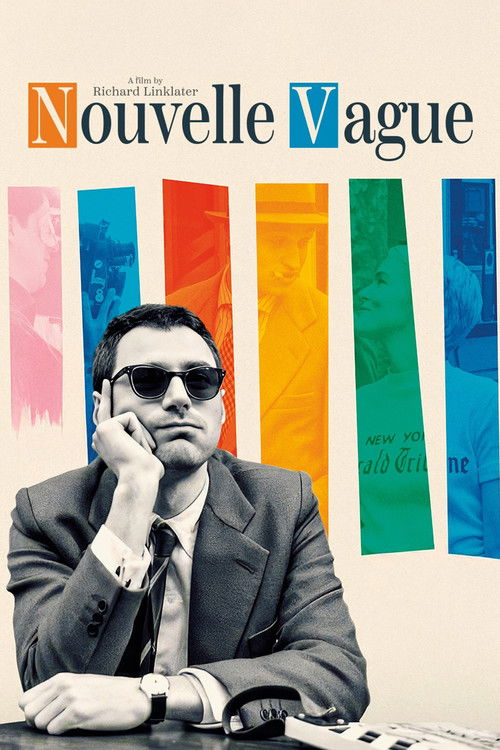
Nouvelle Vague
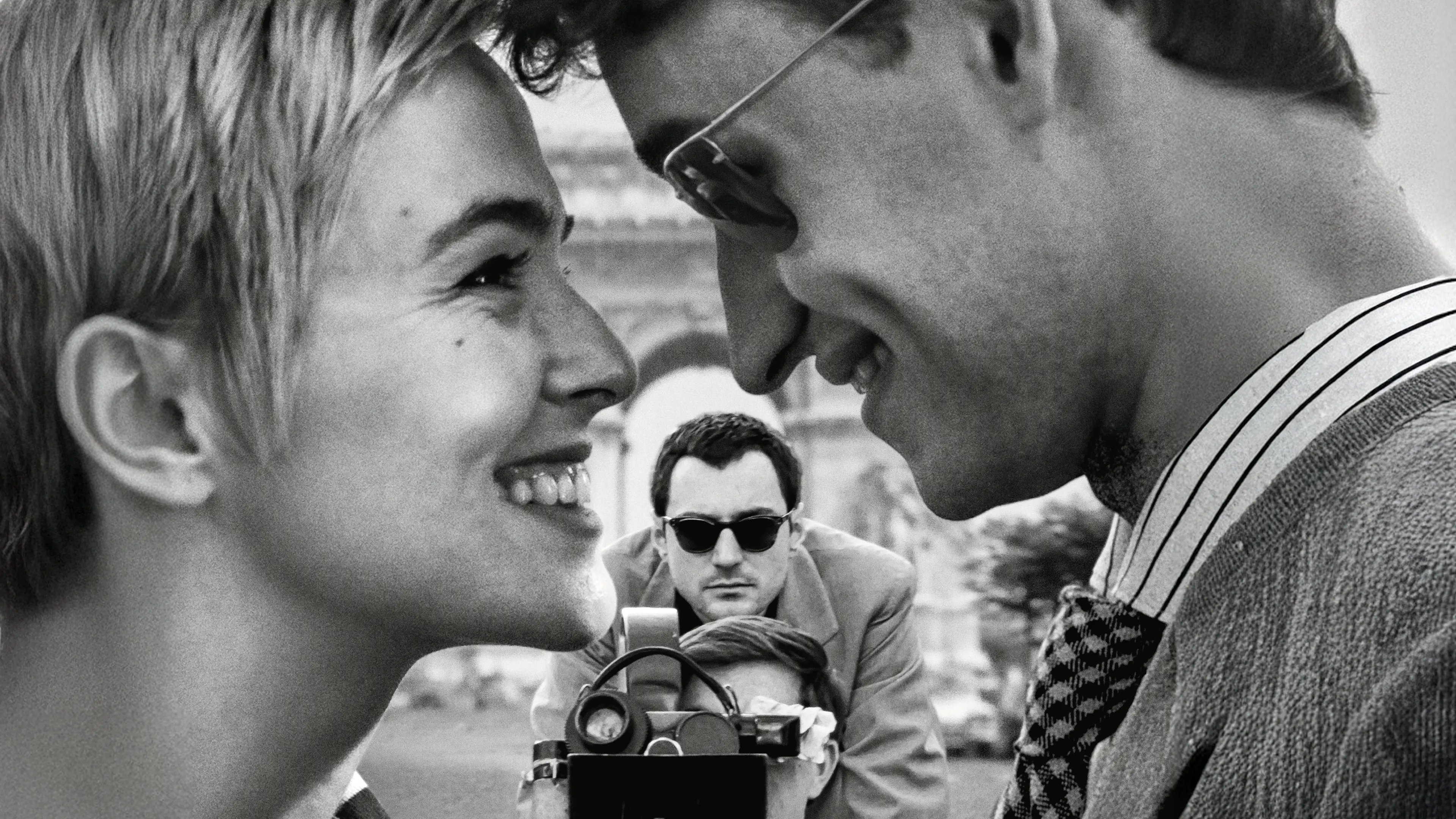
After writing for Cahiers du cinéma, young Godard decides making films is the best film criticism. He gets Beauregard to fund a low-budget feature, creating a treatment with Truffaut about a gangster couple.
Trailers & Videos 6
![Official UK Trailer [Subtitled]](https://img.youtube.com/vi/sRqWbsdACzg/hqdefault.jpg)
Official UK Trailer [Subtitled]
![Official Trailer [Subtitled]](https://img.youtube.com/vi/UufRzKVFseg/hqdefault.jpg)
Official Trailer [Subtitled]
![Trailer [Subtitled]](https://img.youtube.com/vi/795BXtBR2u4/hqdefault.jpg)
Trailer [Subtitled]
Richard Linklater’s NOUVELLE VAGUE Manifesto (read...
Mark Kermode reviews Nouvelle Vague (2025) | BFI P...
Shot by Shot
Cast
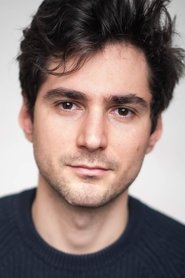
Guillaume Marbeck
Jean-Luc Godard

Zoey Deutch
Jean Seberg
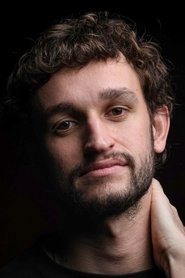
Aubry Dullin
Jean-Paul Belmondo

Adrien Rouyard
François Truffaut
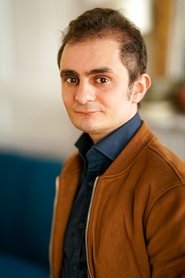
Antoine Besson
Claude Chabrol

Jodie Ruth-Forest
Suzanne Schiffman

Bruno Dreyfürst
Georges de Beauregar...

Benjamin Cléry
Pierre Rissient
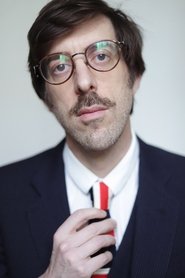
Matthieu Penchinat
Raoul Coutard

Pauline Belle
Suzon Faye
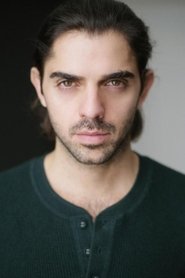
Frank Cicurel
Raymond Cauchetier

Blaise Pettebone
Marc Pierret
Ratings & Reviews
No community reviews yet. Be the first to share your thoughts!
TMDB Reviews
Brent Marchant
TMDB10 months ago
Landmark moments in virtually every area of endeavor are worthy of, and frequently celebrated in, films that applaud the significance of these accomplishments, and that even includes groundbreaking developments in moviemaking. These cinematic commemorations are generally imbued with a sense of respectful reverence regarding their subject matter, recognition befitting such achievements. However, the latest offering from director Richard Linklater presents a puzzle on that front, given that it incorporates a pervasive degree of ambiguity that may leave viewers scratching their heads, despite the undeniable excellence of the picture itself. In 1959, as the French New Wave filmmaking movement was beginning to find its stride through the works of new directors like François Truffaut (Adrien Rouyard) and Claude Chabrol (Antoine Besson), another new aspiring talent, Jean-Luc Godard (Guillaume Marbeck), a longtime, decidedly restless movie critic at the magazine Cahiers du Cinéma, began work on his first project, “Breathless,” the story of a thief on the run and his relationship with a young American woman in Paris. The film would star Jean-Paul Belmondo (Aubry Dullin), a longtime friend of Godard and newcomer to the business, and Jean Seberg (Zoey Deutch), a rapidly rising star in Hollywood circles. Like other New Wave offerings, the production featured innovative filming techniques, new approaches to storytelling, and alternative, sometimes edgy content compared to conventional works of French cinema. However, in the interest of experimenting with the untried, Godard took these principles to an extreme, working without a script, not informing his cast of what was being asked of them, making minimal use of rehearsal and shooting time, and abandoning many of the accepted standards of traditional filmmaking. Needless to say, this way of working frustrated his stars, as well as his producer, Georges de Beauregard (Bruno Dreyfürst), who envisioned his investment evaporating be...

CinemaSerf
TMDB7 months ago
Aspiring director Jean-Luc Godard (Guillaume Marbeck) is fed up playing second fiddle to the likes of Truffaut and Chabrol so manages to convince producer Georges de Beauregard (Bruno Dreyfürst) to give him his first shot as a director. Somewhat reluctantly, “Beau-Beau” agrees to give him twenty days and a minuscule budget to make his own drama. That in itself was quite brave for Godard has no cast, now crew and more importantly, no story. Firstly, he has to assemble his stars so approaches young boxer Jean-Paul Belmondo (Aubry Dullin) and the already successful Jean Seberg (Zoey Deutsch). Next, well perhaps Chabrol and Truffaut might collaborate on the screenplay? Pierre Rissient (Benjamin Clery) gets the thankless job of assisting, but nowhere near as thankless as that of the poor continuity woman who is constantly beating her head against his wall of fluid creativity. Finally, wartime photographer Coutard (Matthieu Penchinat) is drafted in to try to capture the fragments of genius that drop, often well disguised, from their master’s erratically conceptual approach to film-making. Once this scene is set, this continues as a genuinely funny study of just how his shoestring film “Breathless” (1960) was made. His flaky approach to his work causes plenty of entertaining consternation with “Beau-Beau” who thinks he is just wasting his money and with his cast who haven’t really got a clue as to what they are doing, or supposed to be doing or what “À bout de souffle” is actually going to be about until their very last scenes. As an observation of the eclectic nature of movie-making, this is an enjoyably charismatic review of French cinema at it’s most flamboyant and innovative, and Marbeck leads a strong cast who imbue their characterisations with something amiably eccentric as their three weeks together quite literally fell into place. I suspect there is the odd piece of cinematic licence incorporated here, but it all adds to an enjoyable mêlée of styles and approaches...