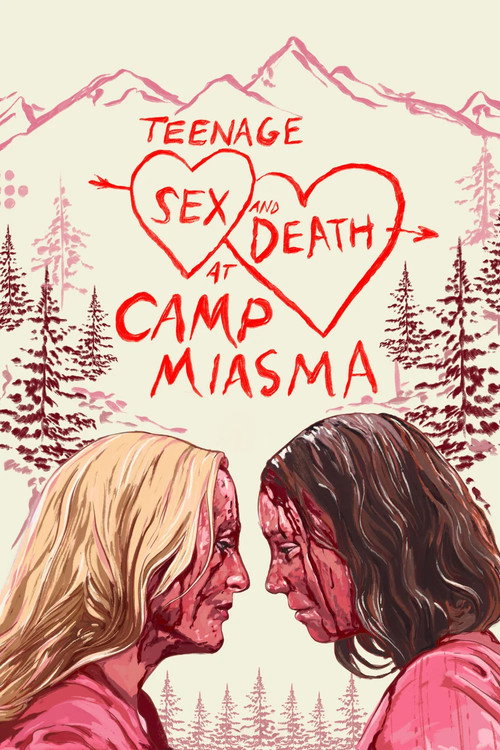
Teenage Sex and Death at Camp Miasma
After years of slapdash sequels, the Camp Miasma franchise is handed over to an enthusiastic young director for resurrection. But when she visits the original’s star, a now-reclusive actress shrouded in mystery, the two women fall into a blood-soaked world of desire, fear, and delirium.
Trailers & Videos 6
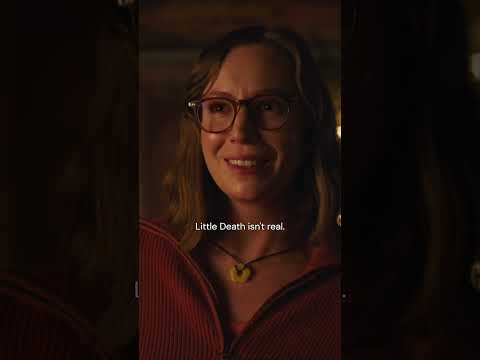
Official Vertical Trailer
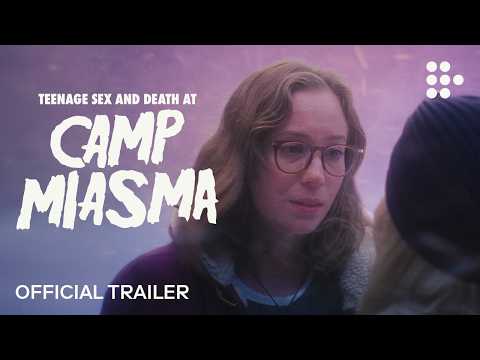
Official Trailer
At 96% on Rotten Tomatoes, CAMP MIASMA is the best...
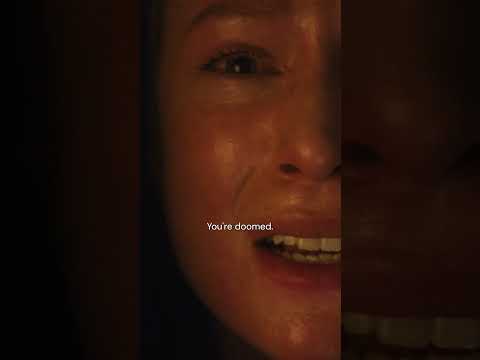
Fall into a world of desire and delirium.
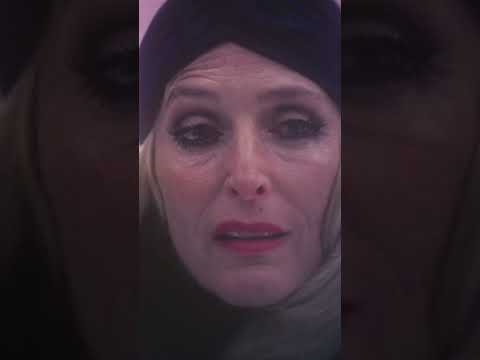
Kiss your inhibitions goodbye.
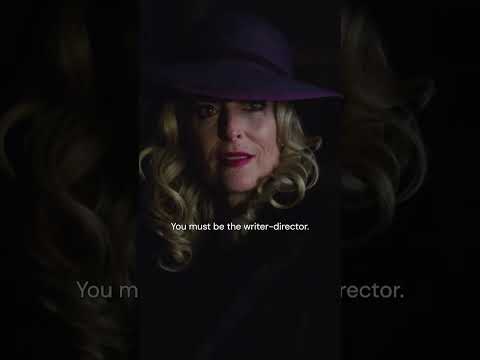
Hannah Einbinder is Kris
Cast












Ratings & Reviews
No community reviews yet. Be the first to share your thoughts!
TMDB Reviews

CinemaSerf
TMDB1 month ago
"Kris" (Hannah Einbinder) has managed to convince some investors to consider funding her attempt to resurrect a dated horror fanchise set at a remote holiday camp. To that end, she has tracked down the woman who was the original damsel in distress in the series's very first outing decades ago. "Billy" (Gillian Anderson) has been fairly reclusive ever since that first success, and has retreated to live at the very camp in which the films were based. Now in the depths of winter, "Kris" braves the snowy conditions to pay her a visit - and her arrival at the eerily silent camp sets in train quite an emotionally and psychologically charged few hours with her enigmatic hostess. I think my problem with this stemmed from the decision of auteur Jane Schoenbrun to put her own experiences front and centre here and rather leave the mysterious substance of the plot to play second fiddle to that. Clearly, this is a film-maker who has had their fair share of struggles to get her often quite eclectically structured (i.e. last year's "I Saw the TV Glow") films funded and made, and so coupled with a sexual fluidity that neither Einbinder nor the underused Anderson are afraid to commit to, this became more of a commentary of a character with whom I couldn't really engage set against an half-baked critique of the repetitious slasher-genre upon which this tries to make it's money. The threads do come together a little more completely towards the conclusion, but I think by exploiting so many of the clichés and photographic tecnhiques of films like "Halloween"; "Friday the 13th" or even the more recent "Black Phone" sequel, and presenting a paucity of meaningful dialogue, this sort of falls into it's own trap of introspective mediocrity rather than "elevating" itself from the more generic quag.

1 week ago
This did not hit the way I thought it would, and I am pleasantly surprised. If you are not into some rather "out-there" stuff this might not be for you, because this is not your average slasher with a fun twist. This is a deeply strange, surrealistic meta-delving 'deconstruction' (gosh that term gets overused) take on the genre, through a strange character's journey. It is a mess and a fun one at that. If you are not up for this rather ballsy and cerebral thing you should just stay away as this is not for you, but if you are in the mood for slasher with a side of mind-bend coupled with some very strange sexual takes, then you should go for this.

Yasmin J. Lee
TMDB1 week ago
Analysis of Jane Schoenbrun’s “Teenage Sex and Death at Camp Miasma” (2026)
“I saw ya and wanted to scare ya. It’s only fair, right? You already seen me.”
It is no secret that Jane Schoenbrun (they/them) references pop culture throughout their filmography. The Pink Opaque of I Saw the TV Glow (2024) was derivative of Buffy the Vampire Slayer, while Teenage Sex and Death at Camp Miasma (2026) nodded to slasher flicks ranging from Peeping Tom (1960) to Wes Craven’s New Nightmare (1994) and Sleepaway Camp (1983). Beneath the references and homages, Schoenbrun also engages with time, pushing audiences to stay present in their stories and in themselves. By referencing essential slashers and confronting time, Schoenbrun puts their work in direct conversation with the genre’s aesthetics and flaws, using time as an open door to opportunity and rebirth throughout their latest horror film, Teenage Sex and Death at Camp Miasma (2026).
Schoenbrun crystallizes and confronts their love for the slasher subgenre in Teenage Sex and Death at Camp Miasma (2026). It is apparent that, while holding slashers in high regard, Schoenbrun is critical of the genre as vastly male-centered. Most, if not all, weapons in slasher films are phallic objects; statistically, a young female character is often the first to die, and women experience significantly more prolonged, graphic, and severe violence on-screen. Rather than criticizing the genre as a whole, Jane Schoenbrun takes on the challenge of queering the genre.
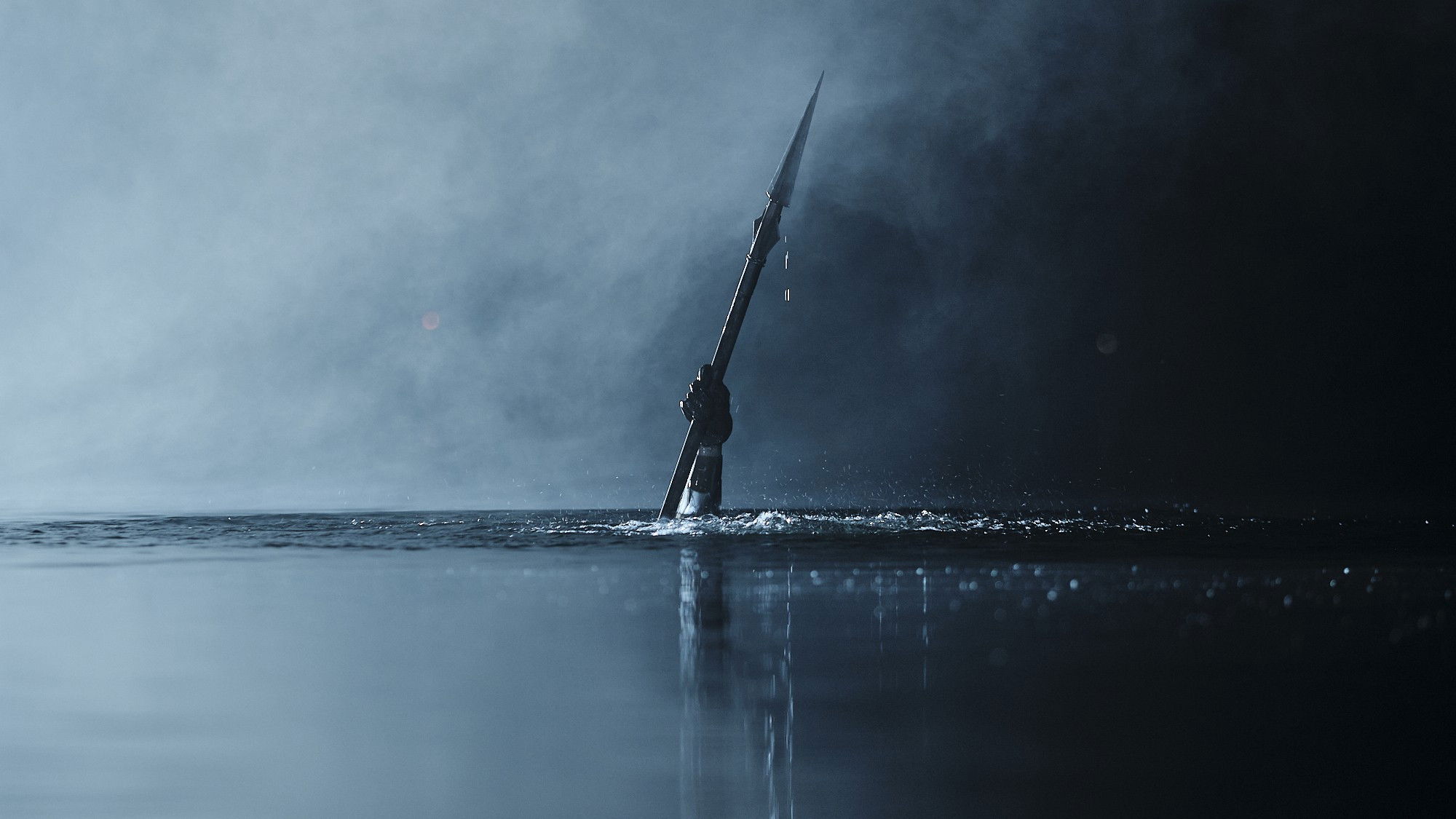
For instance, in Teenage Sex and Death at Camp Miasma, the depiction of orifices is prevalent. Little Death’s VHS tape player at the bottom of the lake resembles a vaginal opening. The air conditioning unit on his head is like a portal that still honors the motif of most horror film killers being modeled after blue-collar workers. Little Death even wears a white-vinyl raincoat suit reminiscent of Patrick Bateman from Mary Harron’s American Psycho...