Dream Deceivers: The Story Behind James Vance vs. Judas Priest
A chilling post mortem on the tragic case of two teenagers who decided to shoot themselves in the head with a shotgun, and the ensuing court case staged to place the blame on the heavy metal band Judas Priest.
Cast


Ratings & Reviews
No community reviews yet. Be the first to share your thoughts!
TMDB Reviews

6 years ago
Scapegoating a metal band for the misguided suicide pact of 2 delinquents who abused alcohol & drugs
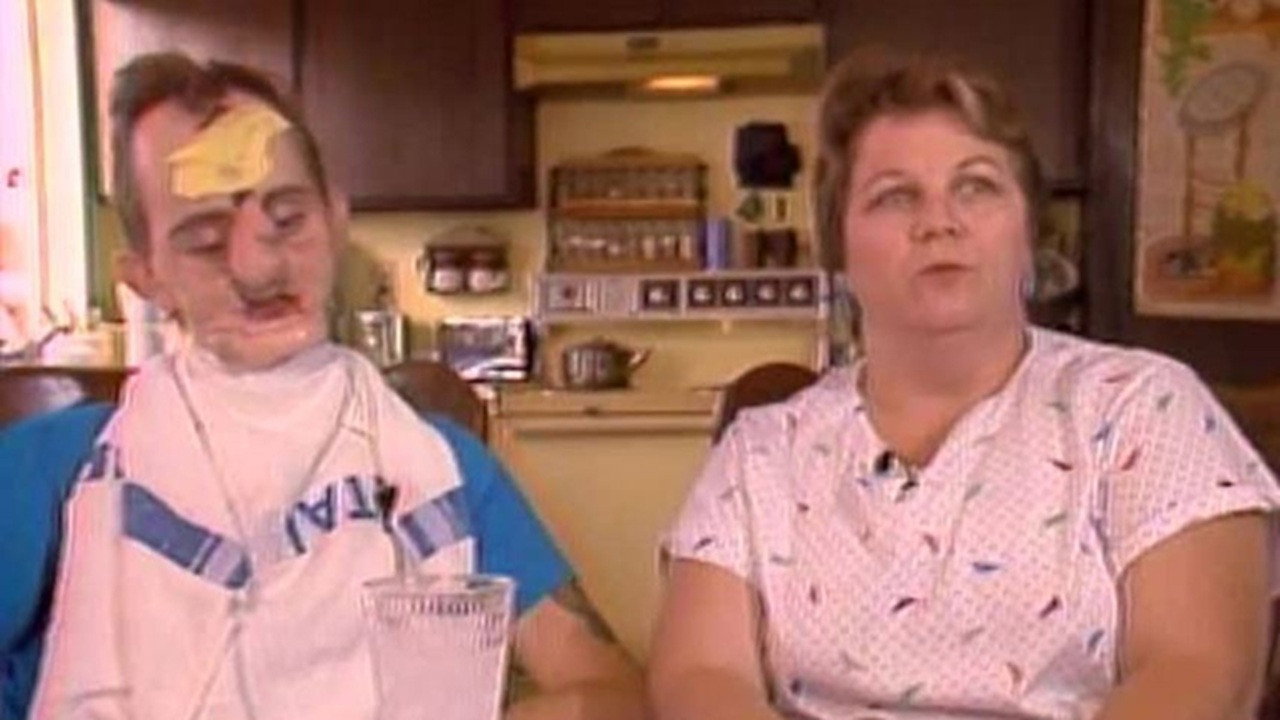
“Dream Deceivers: The Story Behind James Vance vs. Judas Priest” (1992) is a one hour documentary of the infamous Reno, Nevada, trial that took 5.5 weeks in the middle of summer 1990. Just before Christmas in 1985 two youths in a suburb of Reno shoot themselves under the chin in a curious suicide pact. The 18 year-old dies immediately while the 20 year-old survives, albeit with a horribly disfigured face. Almost five years later the parents take Judas Priest to court, suggesting that the band was responsible for the tragedy due to a subliminal message of "do it" in the song "Better by You, Better than Me," a Spooky Tooth cover from their 1978 album STAINED CLASS.
While that was the specific accusation, the mothers more generally felt that Judas Priest’s music negatively influenced their sons and led to their suicide pact, pointing out that they were listening to the band’s music while drinking & smoking pot in the hours before the tragedy.
Being a fan of the band and familiar with all of their (currently) 18 albums, I knew this was a crock of sheet from the get-go. While a case could be made for partially blaming the music of certain dark bands for inspiring listeners to commit suicide, like the band Shining, who openly call their style suicide metal, this argument can hardly be made against Judas Priest. They don’t have any pro-suicide songs and their lyrical content runs the gamut of moods and experience: They have serious songs, fun songs, energetic songs, sad songs, love songs, fantasy songs, etc. but no pro-suicide songs. The closest you can cite would be “Beyond the Realms of Death” (from the same 1978 album as “Better by You, Better than Me”), but that track is actually about a person who retreats from cold, harsh reality to find sanctuary in his mind and eventually dies; it’s not about suicide.
In an interview with singer Rob Halford...