No Accident
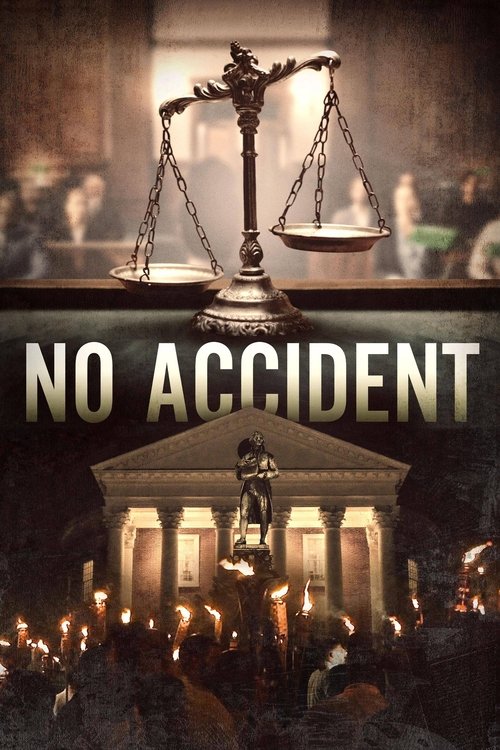
In the aftermath of the deadly "Unite the Right" rally in Charlottesville, Virginia, a civil lawsuit was filed against white nationalist leaders and organizations on behalf of plaintiffs who suffered injuries while peacefully counterprotesting. This documentary chronicles this seminal civil rights trial, exposing a broad network of conspirators and detailing the challenges of holding those leaders and organizations liable for their actions.
Trailers & Videos 1

Official Trailer
Cast


Ratings & Reviews
No community reviews yet. Be the first to share your thoughts!
TMDB Reviews
Brent Marchant
TMDB2 years ago
Seeking justice in high-profile court cases is a common theme in films about the judicial system, one that’s frequently characterized by a hefty dose of inherent nobility and the presentation of high-minded arguments aimed at attaining rulings that many would see as foregone conclusions. But what happens when a case involves opponents who each zealously believe that their view is the “correct” one? Such is the case in director Kristi Jacobson’s new HBO documentary about the legal team that prosecuted a group of ultra-right-wing white supremacist protestors on conspiracy charges to incite violence against counter-protestors in Charlottesville, VA, in August 2017, an incident that resulted in one death, multiple injuries and civil unrest. Convinced that the Trump Administration’s Justice Department would do little to investigate this conflict, the prosecuting attorneys decided to file a civil suit to seek liability damages against the apparently well-organized, intricately connected group of 24 defendants. The film unflinchingly exposes the often-raw racist, anti-Semitic and homophobic ugliness of those behind this event through shockingly offensive audio and video clips (sensitive viewers beware), as well as their deftly polished efforts at spinning their stories as mere exercises of their First Amendment rights to free speech. By contrast, the picture also skillfully shows how the prosecution meticulously built its case against these defendants, all the while seeking to contend with their strident denials of their actions and intents, their attempts at bullying plaintiffs’ witnesses during cross-examination, their less-than-subtle efforts at using the judicial forum as a soap box for their social and political views, and the distracting restrictions of trying to conduct a case during the middle of a pandemic. And, in the midst of all this, the filmmaker capably and sensitively shows the personal impact this case had on its nine defendants, thereby attempting to make...