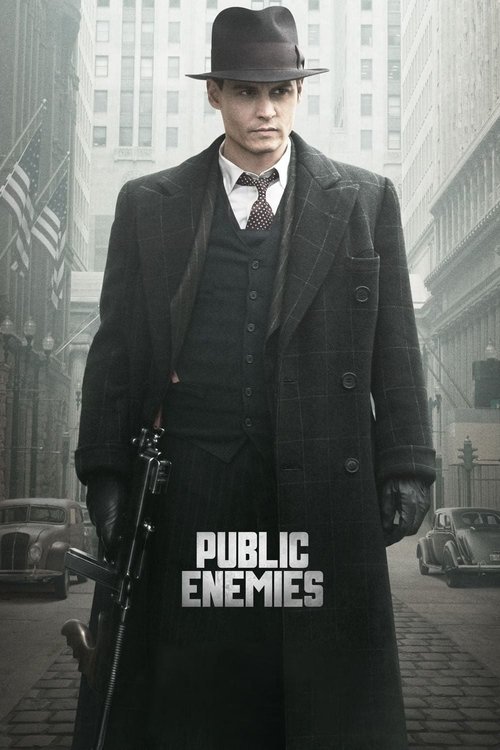
Public Enemies
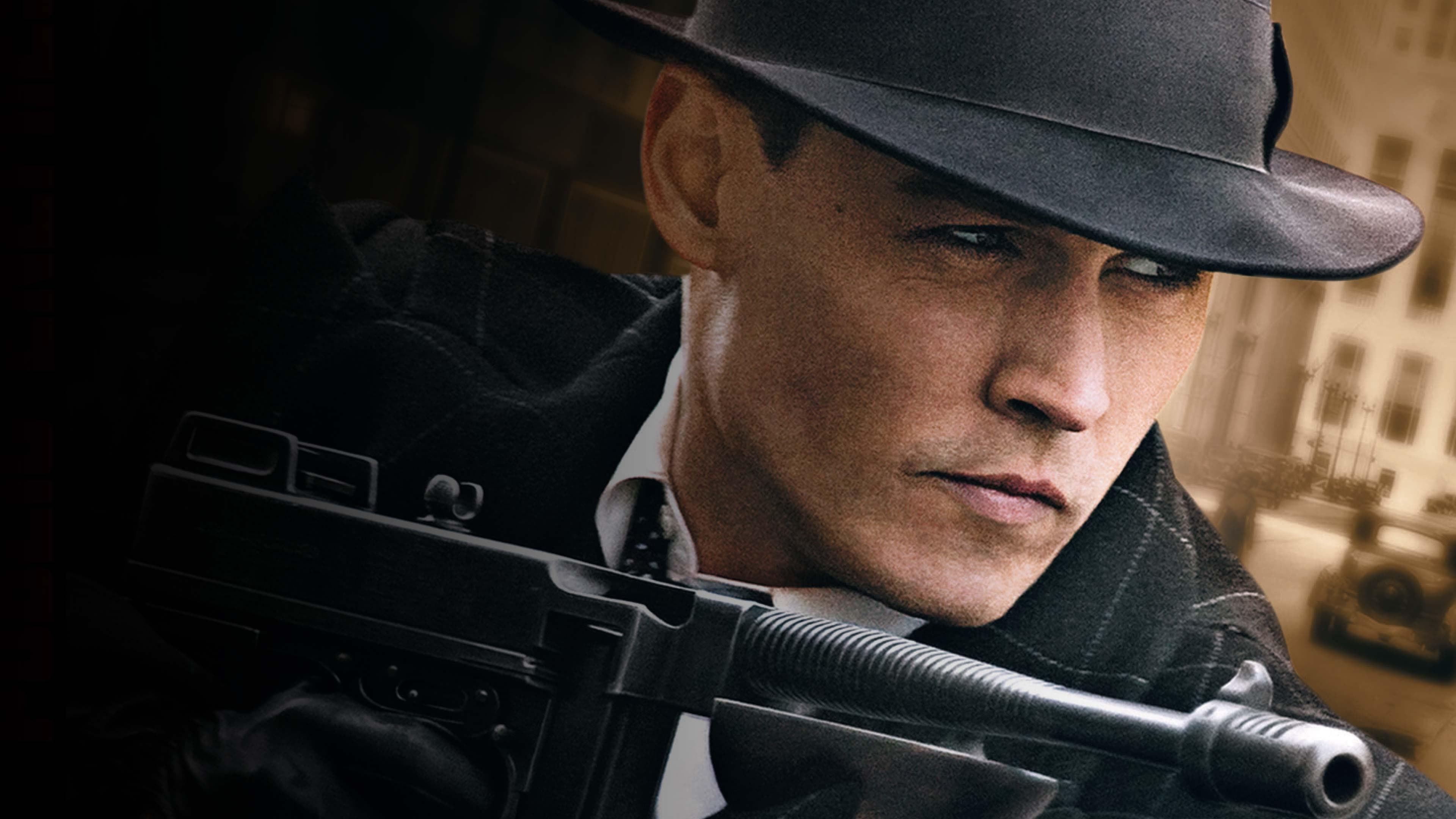
Depression-era bank robber John Dillinger's charm and audacity endear him to much of America's downtrodden public, but he's also a thorn in the side of J. Edgar Hoover and the fledgling FBI. Desperate to capture the elusive outlaw, Hoover makes Dillinger his first Public Enemy Number One and assigns his top agent, Melvin Purvis, the task of bringing him in dead or alive.
Trailers & Videos 1
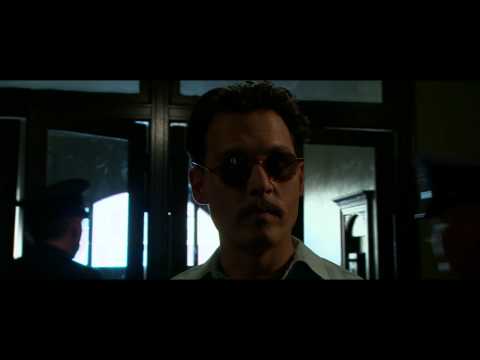
Theatrical Trailer
Cast
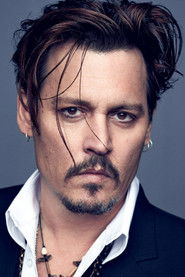
Johnny Depp
John Dillinger

Christian Bale
Melvin Purvis

Marion Cotillard
Billie Frechette

Jason Clarke
'Red' Hamilton
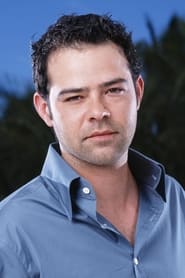
Rory Cochrane
Agent Carter Baum

Billy Crudup
J. Edgar Hoover
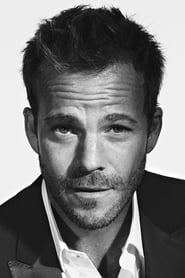
Stephen Dorff
Homer Van Meter

Stephen Lang
Charles Winstead
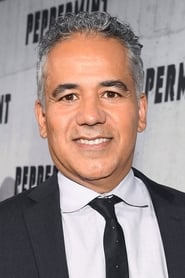
John Ortiz
Phil D'Andrea

Giovanni Ribisi
Alvin Karpis

David Wenham
Harry 'Pete' Pierpon...
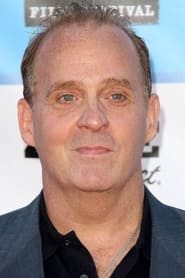
John Michael Bolger
Martin Zarkovich
Ratings & Reviews
No community reviews yet. Be the first to share your thoughts!
TMDB Reviews

Filipe Manuel Neto
TMDB2 years ago
Dillinger, an iconic bandit in a respectful and well-made film.
There is no shortage of quality films about Prohibition and the many notable criminals of this era in American history: Al Capone, Bugsy Siegel and others form a kind of “golden age” of organized crime. John Dillinger is among them, occupying a top place on the list of great criminals of this era.
After a rebellious and delinquent youth, Dillinger deserted the Navy and ended up being sentenced to almost twenty years in prison after a grocery store robbery. The sentence was considered excessively heavy and left Dillinger resentful. From then on, he made the Indiana State Penitentiary his school of crime until he was released in 1933. With his freedom, he formed his first gang and began the bank robberies that made him famous. In 1934, he was arrested in Arizona and sent to Crown Point, Indiana, from where he made a spectacular escape, using a fake pistol made from a bar of soap or wood. His escape, the notoriety he had already acquired and the interstate nature of his crimes led to the involvement of the recently founded FBI. Meanwhile, Dillinger formed a second group of criminals which included the equally famous “Baby-Face” Nelson, and resumed his robberies, while trying to elude the authorities. Months later, and after almost being arrested on several occasions, he was betrayed and denounced, and murdered outside a cinema.
The film is quite good. It is faithful enough to the events and to Dillinger's life, but mixes things up a bit, changing the order of events in order to increase dramatic tension (for example, the death of “Pretty Boy” Floyd is shown well before Dillinger's death , but it happened months later, in a corn field). Furthermore, the film exaggerates things. However, these are concessions that I accept because the film, in addition to being a fictional piece, is reasonably respectful of historical facts. I don't accept the poorly explanatory narrative so easily: anyone who d...