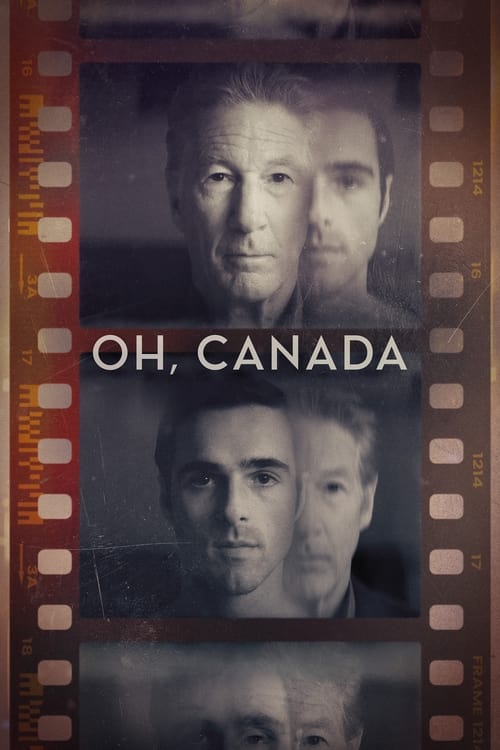
Oh, Canada
Famed Canadian-American leftist documentary filmmaker Leonard Fife was one of sixty thousand draft evaders and deserters who fled to Canada to avoid serving in Vietnam. Now in his late seventies, Fife is dying of cancer in Montreal and has agreed to a final interview in which he is determined to bare all his secrets at last, to demythologize his mythologized life.
Trailers & Videos 6
Official Trailer
Oh, Canada – Paul Schrader Q&A
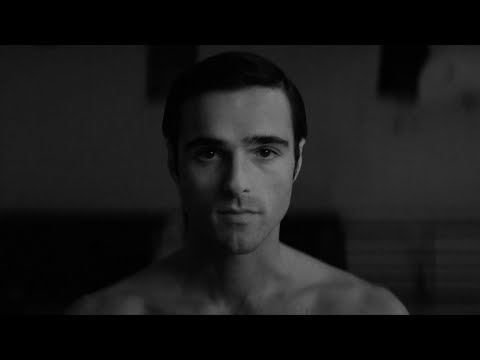
Clip: "All You Have Left Is Your Past"
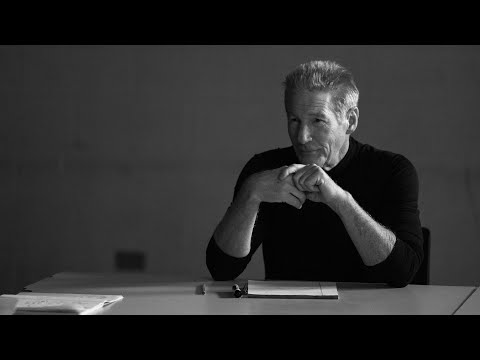
Clip: "People Will Talk"
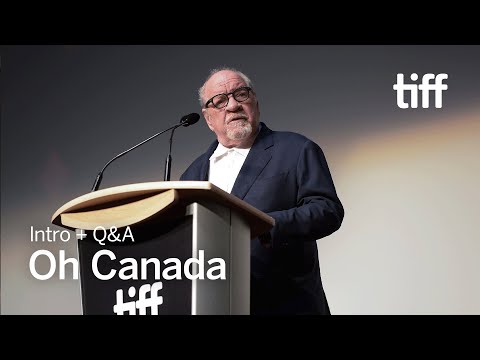
Intro + Q&A | TIFF 2024
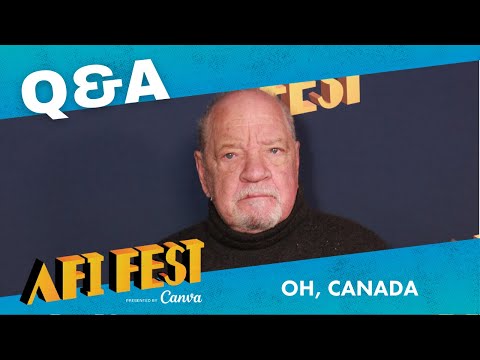
OH, CANADA Conversation at AFI Fest 2024
Cast
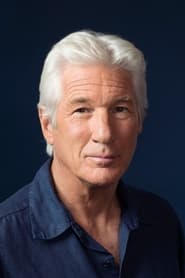
Richard Gere
Leo Fife
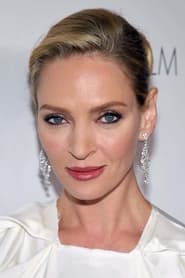
Uma Thurman
Emma / Gloria
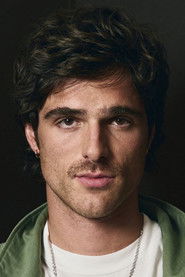
Jacob Elordi
Young Leo Fife
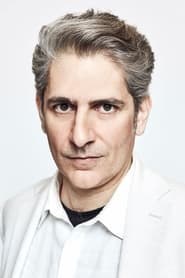
Michael Imperioli
Malcolm

Victoria Hill
Diana

Caroline Dhavernas
Rene

Penelope Mitchell
Sloan Ambrose / Amy

Kristine Froseth
Alicia Fife

Megan Mackenzie
Amanda
Peter Hans Benson
Benjamin Chapman
Scott Jaeck
Jackson Chapman

Cornelia Guest
Jessie Chapman
Ratings & Reviews
No community reviews yet. Be the first to share your thoughts!
TMDB Reviews
Brent Marchant
TMDB1 year ago
It’s bad enough when a film disappoints and doesn’t live up to expectations. But what’s perhaps worse is when a picture not only fails to live up to expectations, but also validates the negative reputation that precedes it. Such is the case, regrettably, with the latest feature from filmmaker Paul Schrader, an embarrassingly bad production from an artist who has written and/or directed such masterful works as “First Reformed” (2017), “American Gigolo” (1980), “Mishima: A Life in Four Chapters” (1985), “The Last Temptation of Christ” (1988) and “Taxi Driver” (1976). This miserably unfocused slog struggles to tell the story of Leonard Fife (Richard Gere), a famous but terminally ill director who’s being interviewed for a made-for-TV biography discussing his legendary life and career as a revered documentary filmmaker. However, the protagonist doesn’t see this so much as a congratulatory tribute to his accomplishments but as a cathartic, unburdening confession about the life he led that virtually no one knows anything about. To complicate matters, his rapidly failing health and cloudy memory keep him from fulfilling this objective, especially when he reveals secrets about himself not known by even those closest to him (most notably, his wife, Emma (Uma Thurman), and his protégé, Malcolm (Michael Imperioli), director of the biography), revelations that they’re quick to attribute to faulty recall. Leonard’s previously hidden back story comes to life through a series of clumsy, disjointed flashbacks featuring his younger self (Jacob Elordi) presented in a largely unintelligible fashion that brings new meaning to the term “nonlinear.” What’s worse, though, is that the relevance of these admissions largely goes unexplained and unresolved, bearing seemingly little relation to the nature of his character or his career as an auteur. His flight to Canada and experience as a conscientious objector during the Vietnam War, for example, receives surprisingly little attention given...