Dressed to Kill
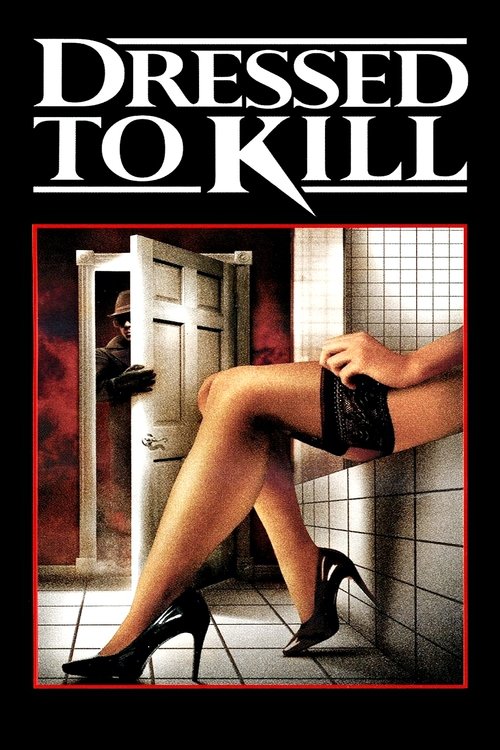
After witnessing a mysterious woman brutally slay a homemaker, prostitute Liz Blake finds herself trapped in a dangerous situation. While the police thinks she is the murderer, the real killer is intent on silencing her only witness.
Trailers & Videos 6
Original Trailer
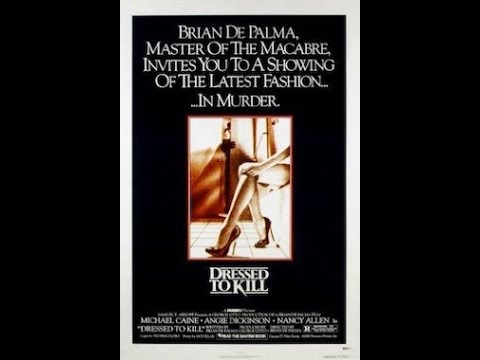
Dressed to Kill (1980) - Teaser Trailer HD 1080p
Arrow UHD Unboxing
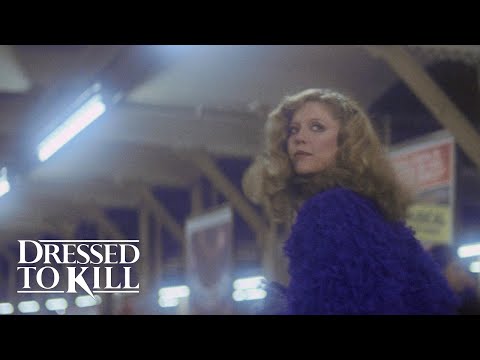
Subway
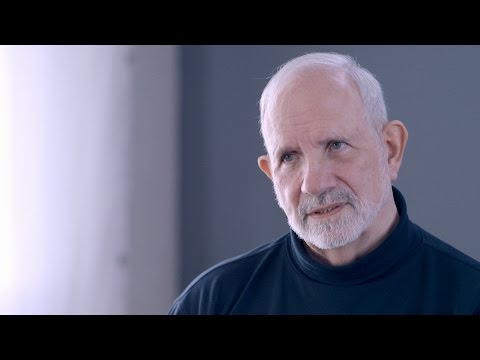
Brian De Palma & Noah Baumbach on DRESSED TO KILL
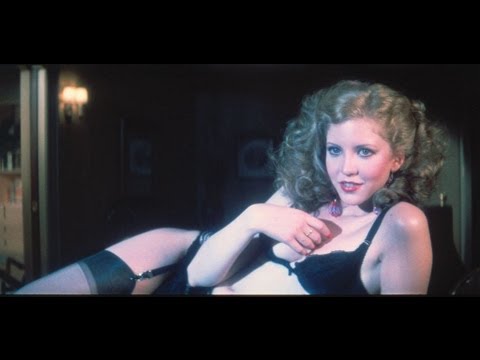
The Arrow Video Story
Cast

Nancy Allen
Liz Blake
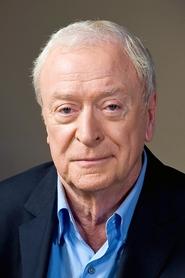
Michael Caine
Doctor Robert Elliot...
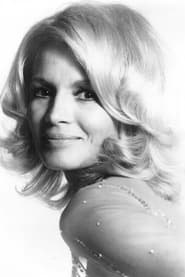
Angie Dickinson
Kate Miller
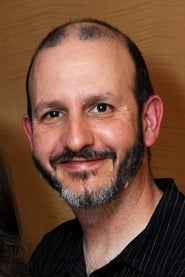
Keith Gordon
Peter Miller
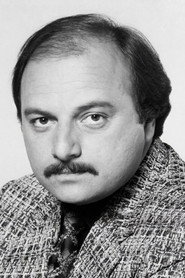
Dennis Franz
Detective Marino

David Margulies
Dr. Levy

Ken Baker
Warren Lockman
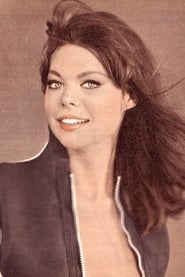
Susanna Clemm
Betty Luce
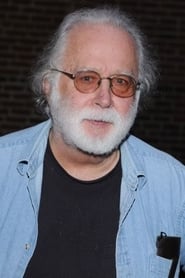
Brandon Maggart
Cleveland Sam
Amalie Collier
Cleaning Woman
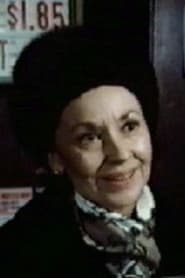
Mary Davenport
Woman in Restaurant
Anneka Di Lorenzo
Nurse
Ratings & Reviews
No community reviews yet. Be the first to share your thoughts!
TMDB Reviews

12 years ago
Erotico Psycho
Dressed to Kill is directed and written by Brian De Palma. It stars Michael Caine, Angie Dickinson, Nancy Allen, Keith Gordon and Dennis Franz. Music is by Pino Donaggio and cinematography by Ralf D. Bode.
Brian De Palma continues his commitment to Hitchcock thrillers with this erotic and lurid slice of entertainment pie. Plot in short order finds a razor wielding blonde woman on the loose in the city. A high class prostitute, a psychiatrist and the son of a victim try to solve the mystery before they themselves fall to the blonde killer.
De Palma throws it all at the audience here, merrily pushing people's buttons as he goes. He uses all the tools and tricks of his trade for maximum impact, blending a number of genre staples and churning out a hyper stylised neo-noir that gleefully toys with audience expectations. Oh the plot is bonkers, deliriously so, but De Palma is a crafty pro who deftly marries up the excesses of the plot with virtuoso camera work, and not content with that he then brings Donaggio's musical score into play to ensure the viewer's senses are tingling.
Unsurprisingly for the director, Dressed to Kill is sexually charged and violent, from the steamy beginning that ruffled feathers in a number of quarters, to the outrageous coda at the end where De Palma homage's himself, it's a film revelling in its schlocky being. However, it still has time for dramatic suspense and dangerously sensual mysticism, reference an extended section of film that sees Allen's hooker pursued relentlessly through the perils of the subway system, and a sequence played out at an art gallery without dialogue as we become Dickinson's disoriented eyes. Then there is the key murder scene, a dizzying array of slashes and cartoonish blood, it's purposely excessive and followed by screw tightening suspense that sets up the rest of the movie.
De Palma and his on form principal cast members are having fun, how could they not with such trashy material to...
9 years ago
Following a housewife’s brutal murder, the only witness to the incident teams up with the woman’s son to try to find the culprit which leads them to the patient of a psychiatrist who treated her and tries to stop the killer from striking them in order to cover the crime.
This one turned out to be quite the rather enjoyable effort. A lot of the film’s great parts come from the manner in which this one deals with the expectations featured here of the film by following so close to its influences. As it follows so close to the main format here, as the general structure employed here comes directly with the structure of having the first half focus solely on the victim to get killed off and then morph over into the investigation into the incidents, that makes for a great deal of fun here as it deals with the few changes to be had with the storyline. That familiarity lends itself a great deal to the overall manner in which this one moves along as that keeps this one a lot more entertaining than it really should be without a whole lot of slashing action throughout here. With a big emphasis on the murder investigation and her involvement in the procedure, there’s a nice emphasis here to follow up the later adverts of that ones’ followers in a distinctly European manner by introducing not only the main investigation from the police but also going rather nicely into the amateur investigation by way of a piece of evidence only briefly glimpsed during the incident that becomes a central part of the investigation. These elements all give it a rather distinct and pronounced atmosphere to these brands of films which really lets it dwell in that type of sleaze far more comfortably than would be expected, not only from the type of nudity but also the rather stark sex scenes and frequently intoned psychosexual themes from the killer’s motivation which is straight out of that particular school of thriller which makes this one connect quite well there. Even with some incredibly well-...

3 years ago
It is an enjoyable film...but one with several natural endings. And that kind of makes for a fail. You're ready for the movie to be over after it concludes and then you wait until it concludes again, and then you wait until is actually concludes.
However, it is tense, which is a De Palma hallmark, he knows how to make for a tense thriller, and that is where the appeal is, that is what really sets Dressed to Kill above a lot of other films. It plays on the nerves.

2 years ago
Sordid Hitchcockian crime thriller set in the heart of the Big Apple
A sexually frustrated housewife in Manhattan (Angie Dickinson) does something foolish, which leads to a crime witnessed by an upscale prostitute (Nancy Allen). A therapist (Michael Caine), a detective (Dennis Franz) and a whiz kid (Keith Gordon) help try to solve the case.
Helmed by Brian De Palma, "Dressed to Kill" (1980) is a psychological drama/thriller in the tradition of Hitchcock. You’ll see bits borrowed from “Rear Window,” “North by Northwest,” “Psycho” and De Palma’s own “Carrie.” Some of the subway sequences are reminiscent of “The Warriors” from the year prior. Speaking of which, there’s a cartoonish, over-the-top quality to the proceedings that smacks of “A Touch of Evil.” The theme revolves around sexual lust, such as the carnal need of some women to feel desired, as well as male arousal. If that turns you off, I suggest staying away.
This was made before the ADHD era and so the film takes its time in telling its story. For instance, the creative art museum sequence in the first act lasts 9 minutes and features zero dialogue, which arguably could have been done in less than half the time. While I didn’t personally mind it, most modern viewers will find it tedious and unnecessary. The same could be said of the curiously elongated ending which, again, I didn’t mind.
Nancy Allen was De Palma’s new wife during shooting in 1979, a marriage that would only last until 1983. He tastefully illustrates her beauty despite her character being a hooker, although some have criticized her scenes in black lingerie as “softcore porn.” She appears in the other De Palma films “Carrie,” “Home Movies” and “Blow Out.”
It’s best to go into this without knowing much else. The ending features a surprising twist that wouldn’t be done today for reasons of “political correctness” (rolling my eyes).
The movie runs 1 hour, 44 minutes, and was shot in Manhattan with the art museum sequence...