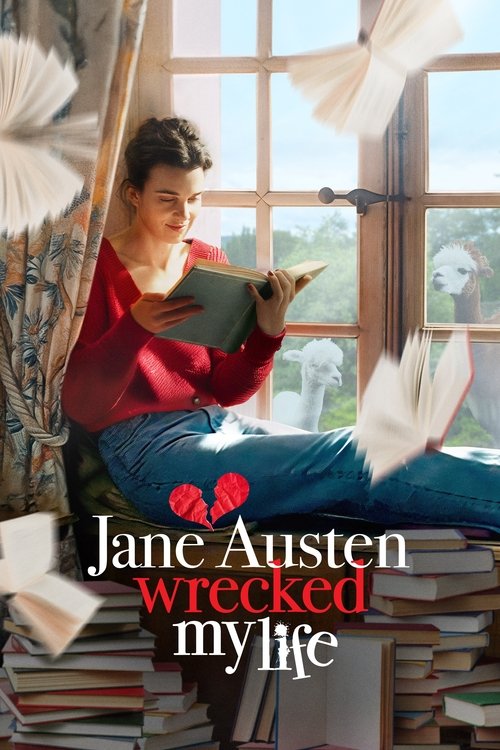
Jane Austen Wrecked My Life
An aspiring author looking to get more out of life takes up a writing residency and finds herself in the sort of romantic entanglements that could come from the pages of a Jane Austen novel.
Trailers & Videos 3

UK Trailer
Official Trailer
8 Minute Extended Preview
Cast
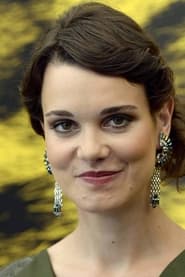


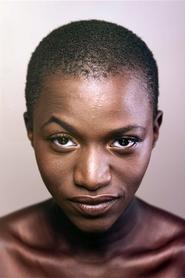
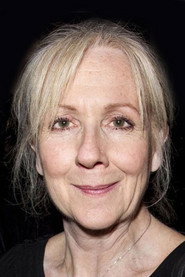


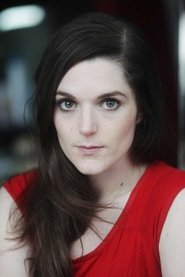


Ratings & Reviews
No community reviews yet. Be the first to share your thoughts!
TMDB Reviews
11 months ago
Jane Austen Wrecked My Life captures, with irony, melancholy, and tenderness, the emotional and creative labyrinth of its protagonist, Agathe. At first glance, the film seems to be about a writer facing creative block, but it quickly becomes clear that her struggle with writing is only the surface of a deeper internal conflict — one that ties together trauma, memory, and the way literature shapes identity.
The film never explicitly states whether Agathe’s writer’s block began after the car accident that killed her parents, but the emotional link is undeniable. The accident, her father’s literary influence, and the idealized way she was raised around books and intellectual expectations all intertwine to create an invisible weight she carries. Writing, for her, is not just artistic expression — it is also a form of mourning, a dialogue with her father’s ghost, and a way of reestablishing her sense of self in a world that feels chronologically wrong.
Agathe believes she was born in the wrong historical period. Her fascination with Jane Austen’s world is not just aesthetic nostalgia but a form of existential misplacement. Literature has constructed an illusion of love and identity that doesn’t fit the modern age she inhabits. Her romantic and sexual anxieties — her discomfort with dating apps, her fear of one-night stands, her longing for stability — all stem from this collision between her literary ideals and contemporary reality. She is seen as insecure only because she searches for the kind of security her father once gave her. In this sense, she becomes a modern Anne Elliot: the romantic heroine displaced into an age of irony, algorithms, and fleeting affection.
The film’s aesthetic reinforces this temporal duality. What most pleased me was its delicate visual language — the piano she plays as a hobby, the vintage bookshop, the choice of traveling by bike or on foot instead of by plane, the use of vintage cars, and the limited presence of smartphones. These...