Network
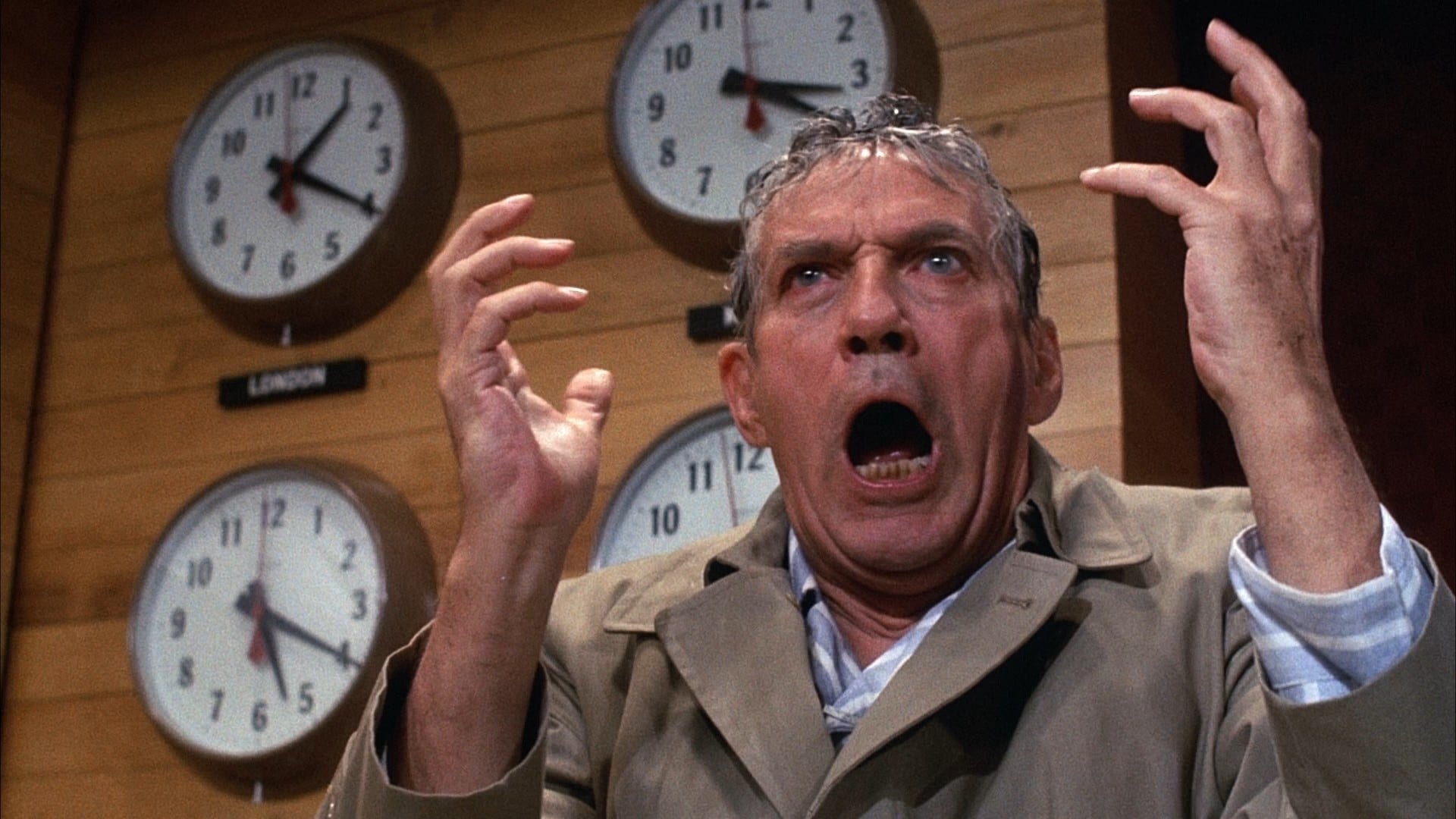
When veteran anchorman Howard Beale is forced to retire his 25-year post because of his age, he announces to viewers that he will kill himself during his farewell broadcast. Network executives rethink their decision when his fanatical tirade results in a spike in ratings.
Trailers & Videos 6
Original Theatrical Trailer
Network - Trailer
CBS Movie promo Network 1980
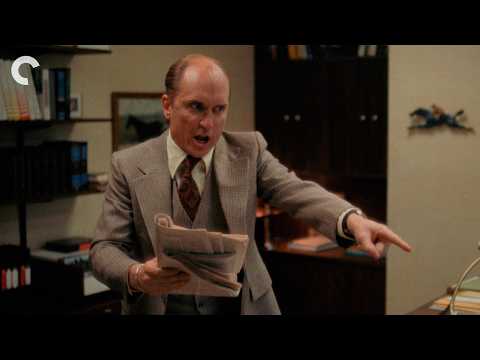
“I Love Duvall”: Sidney Lumet Watches NETWORK
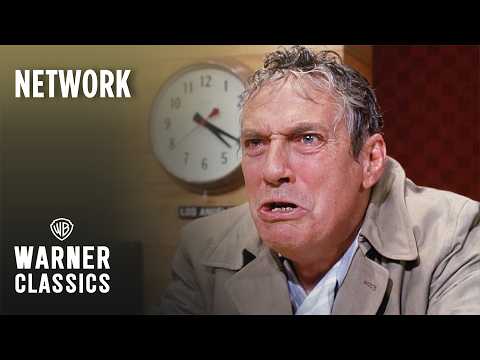
I'm Mad as Hell | Full Scene
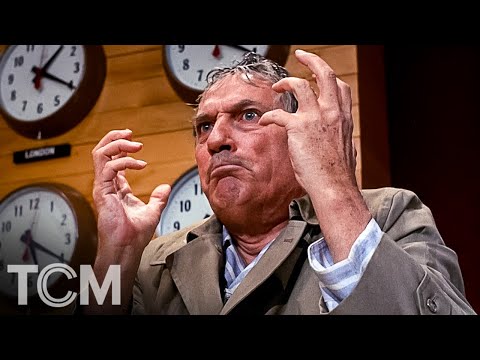
Peter Finch Is Mad as Hell
Cast

Faye Dunaway
Diana Christensen
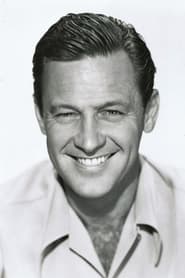
William Holden
Max Schumacher
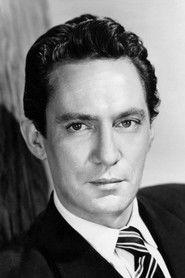
Peter Finch
Howard Beale
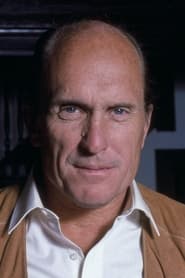
Robert Duvall
Frank Hackett
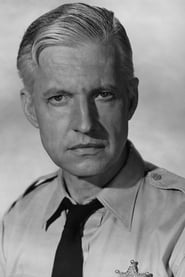
Wesley Addy
Nelson Chaney
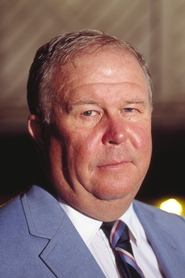
Ned Beatty
Arthur Jensen
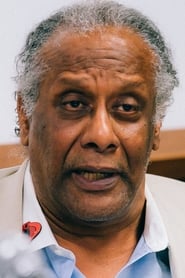
Arthur Burghardt
Great Ahmed Kahn
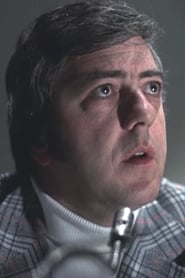
Bill Burrows
TV Director
John Carpenter
George Bosch
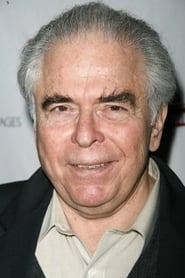
Jordan Charney
Harry Hunter

Kathy Cronkite
Mary Ann Gifford
Ed Crowley
Joe Donnelly
Ratings & Reviews
No community reviews yet. Be the first to share your thoughts!
TMDB Reviews
11 years ago
The Primal Forces of Network
According to the Writers Guild of America the greatest screenplay of all time belongs to Casablanca. A sentimental favourite, no doubt, worthy for a handful of catchy one-liners capped off with a convincing dump-the-dame speech. While Bogie plays himself, Bergman, who may have been the most beautiful woman of all time, didn't have much to say. The best moments in Casablanca were, in fact, the silent ones, and without Bogie and Bergie's chemistry, it probably wouldn't have made the top 10.
Best screenplay suggests best story, best plot, best characters and dialogue; best combination of drama, comedy, intrigue, emotional engagement, suspense, social and political relevance; one peppered with casual everydayisms, baited with humour and simmering with intelligence, threatening to release an experiential payload of euphoric proportions; a work that can transcend genre and demographics, build up simultaneously on various levels, plumbed by the weight of it's essential voice, sending out intuitive signals, rippling with perplexing channels and insightful glimpses that are symbolically blended into plain words on paper; all with a properly superb balance of sex, wit, desire, comfort, fear, anger and wisdom in an accelerated narrative leading us to a magnificent crescendo and--fade out--leaving us to wonder. Furthermore, great screenplays serve the motion-picture medium's incomparable ability to effortlessly jump time and space. Casablanca is static and contained, framed and nailed to the wall: a pretty photograph.
Despite the WGA's endorsement, there can only be one candidate good enough to qualify for the all-time best screenplay, and fittingly it goes to the all-time best screenplay writer. Paddy Chayefsy's Network has dazzled us for four decades and counting. The scene where a mob of murderous bank-robbing terrorists who have their own reality TV show bicker over the wording of their contract alone demonstrates we are deal...

The Movie Diorama
TMDB6 years ago
Network broadcasts its televisional corruption through satirical poetry that beckons democratic madness. “I’m as mad as hell, and I’m not going to take it anymore”, screams Howard Beale from the confinement of his studio desk. Exerting his ornate insanity upon the entranced viewers who innocently stare at their cubic televisions, watching the news broadcast fuelled by media misrepresentation and propaganda. “Go to your nearest window and scream”, acting as the voice of the working class, benign to the American corporate fundamentals that masquerade the politics of democracy. In an age where leading actors can represent constituencies or states, and businessmen can be presidential candidates for a nation (and successfully winning...), Lumet’s timeless satire on conceptualised democracy is one that grows more appropriate with each passing decade.
A statement on the American financial system, where colossal stock markets rule the supposed freedom of the people. Broadcasting networks more focussed on combating against each other for monetary viewership, leading to exaggerated fabrications, rather than reporting the truth, the whole truth and nothing but the truth. Exploiting the frail mentality of humanity to feed the greed and lust of “humanoid” managers, capitalising on the naivety of man.
Network depicts the modern evolution of communicating false truths. As technology evolves, we grow more and more susceptible to the “truth” that is conveyed to us. We, much like sponges, absorb the information demonstrated through the porous pixels that we subject our eyes to. Televisions. And through hyperbolised satire, including planning an assassination attempt and coercing suicidal tendencies, Lumet offers a cutthroat insight into broadcasting institutions and the meticulous methods in which networks function. Motivated by stock shares and rating dominance. Pioneering the consumption of propagandist material. Lumet exploits the audacious power of televisions and its commu...
Andre Wilfred Sanders
TMDB3 years ago
The UPS network is a television network that suffers from a lack of viewership. This led to the layoff of a group of their employees, including the great media night news presenter, Howard Beale, and this led to the events of a psychological impact on Beale, so he promised that he would commit suicide in front of the camera the next day.
The conditions and conditions of the network changed after Beale's decision to commit suicide in front of the camera the next day. The film takes us through the changes that occur to the network after this incident. How did Howard get the situation to the brink, how does the network deal with the crisis, and how do they benefit from the incident, or in a more correct, how do they exploit it to increase the number of views and return the network to the most powerful television network in America.
The film focuses on 4 characters, the first character is Diana Christensen, a character who doesn't care about high principles in the media and tries in various ways to do anything, even if it is bad, in order to make the network gain more views, a character that surprises you a lot because of her orientations. The second character is Howard Beale and the internal factors that led him to stand in front of the camera, fragile and mind-bending. Is it personal or is the network related?
The third character, who are the members of the network and the fate of the company, what are the things they will do in order to save the network from collapse and raise viewing rates and ratings, even if at the expense of harming others, literally anything?
The last character is the viewers. How do they want to attract viewers to the network as long as possible to ensure higher profits and the viewer to stay for as long as possible? This requires many things that you will see in the movie.
What I liked about the film is that the film was able to mock companies, criticize societies, and focus on the weakness of people through its story and not th...

CinemaSerf
TMDB2 years ago
Peter Finch is superb here as the increasingly puritanical television news anchor ("Beale") who, having been told he was about to be fired decided on air to tell the audience he was going to shoot himself on live telly. Next night - yep, he was allowed back - he declared that it was time the viewing public got off their sofas and declared they had "had enough" with lazy government and corporate greed. His long suffering boss "Max" (William Holden) wants to have him looked after (medically) but the ambitious PR executive "Diana" (Faye Dunaway) sees an opportunity amidst all this evangelicalism and convinces the station's new boss "Hackett" (Robert Duvall) to remove "Max" and to reinstate "Beale" with his own hour long news hour programme complete with it's own soothsayer! Initially, this all sounds too barmy to be real, but in true television tradition - it catches on. The audiences soar, the advertisers and sponsors love it. For once, the news division isn't haemorrhaging cash! Can this be sustained though? "Beale" is entirely out of control and nobody - even his own network - is safe from his ranting and raving. Sooner or later he is bound to overstep the mark - and then the dominoes are going to topple spectacularly. To be honest I found the story to become more and more preposterous as the potent points about avarice, venality and success at all costs became subsumed into a denouement scenario that was pretty ridiculous. That said, this isn't really about the story so much as the performances from Finch, Holden, and the frequently scene-stealing Dunaway who delivers some pithy monologues with the sharpness of hound's tooth! Even now, almost fifty years later, it still resonates as conversations about true journalism versus commercial pandering showing no sign of ever abating, let alone finding a solution that adequately satisfies both. It also swipes quite nicely at the audience - the anything for a peaceable life brigade who get their news from television so lon...
Brent Marchant
TMDB2 years ago
Few Hollywood productions have been as utterly prescient as director Sidney Lumet’s cinematic masterpiece “Network” (1976), a chillingly serious satire about the television business in the 1970s and where it was ultimately headed in years to come. Written by TV pioneer Paddy Chayefsky, this winner of four Oscars on 10 total nominations provides a comical but cynically disturbing look inside the workings of a fictitious American television network. In telling this story, the film eerily forecast the direction this medium would take in the decades that followed with remarkable accuracy, stunningly predicting such developments as the tabloidization of TV, the consolidation of media ownership, the impact of foreign influence and investment, and the dumbing down, sensationalism and line-blurring of its content in both its entertainment and journalistic programming. It also nailed developments outside the television business with great clarity by focusing on the pivotal role that TV played (and would come to play) in those occurrences. And, even though it’s something of a nostalgic time capsule of the period in which it was filmed, the picture has held up remarkably well (it gets better with every viewing for me), even unwittingly providing viewers with an ironic and unsettling metaphor for the ubiquitous rise of social media (with TV serving as a stunningly fitting stand-in). Chayefsky’s Academy Award-winning script is positively brilliant, epitomizing what good screenwriting can (and should) be. And its casting is about as good as it gets, earning Oscars for the performances of Faye Dunaway, Peter Finch and Beatrice Straight, along with well-deserved nominations for William Holden and Ned Beatty and noteworthy accolades for Robert Duvall and Marlene Warfield. In fact, I’m stunned that this offering lost out to “Rocky” for best picture and that nominee Lumet was passed over for the best director award. Those oversights aside, however, I was nevertheless privileged to vie...